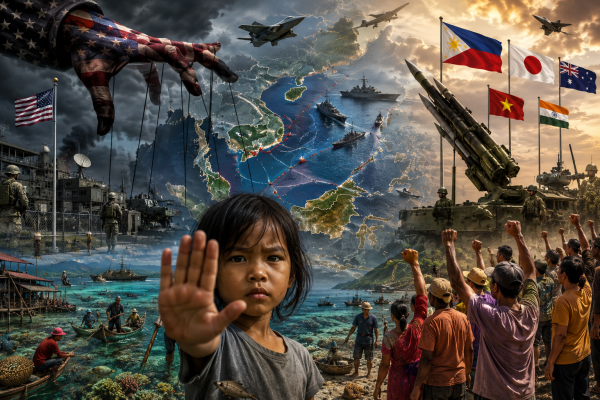
Deutsche Welle dresses militarization in the soft language of autonomy, access, and rules while burying the machinery of containment beneath diplomatic polish. The omitted facts reveal a region tied to China through trade, food security, diplomacy, and history even as U.S.-aligned military infrastructure tightens around it. The real story is not “middle power cooperation,” but... Continue Reading →
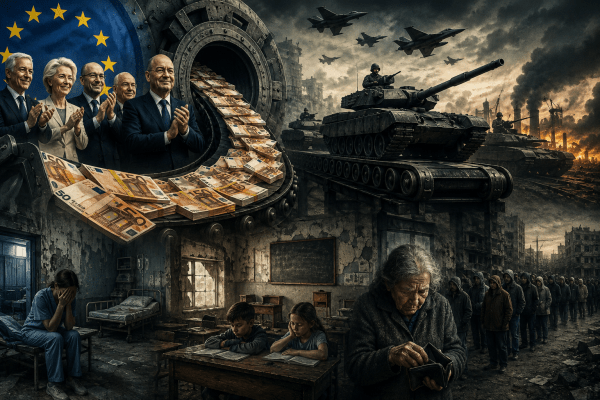
The Arsenal Is Late: Europe’s Ruling Class Discovers There Is Always Money for War
Deutsche Welle cleverly disguises Europe's urgent rearmament as a procurement issue, distracting from the stark reality of militarization overtaking public life. The article's real message isn't about the delays in weapon delivery, but rather the easing of governmental budgets for defense while essential services wither under austerity. It reveals an empire tightening its grip under NATO's command, where social welfare takes a back seat to military expenditure. This narrative won't invite questions about people's needs, but rather about how to improve efficiency in arms production. The specter looms: the increasing normalization of a military-first economy must be resisted, as it's not merely about security, but the reorganization of society around war.
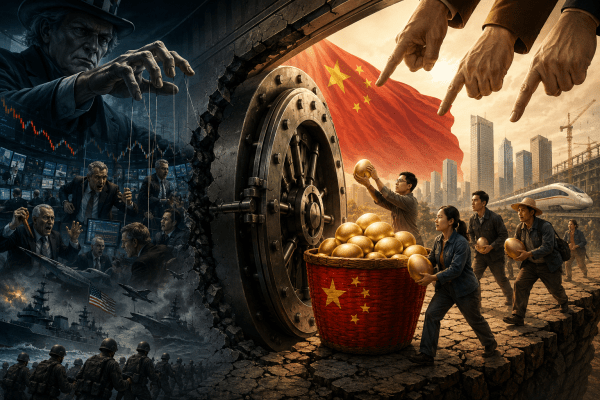
China Locked the Vault: Wall Street Weeps for the Investor It Wanted to Recruit
The New York Times portrays China's financial regulations as a morality tale of oppressed investors yearning for capital freedom, framing Beijing's restrictions on overseas investments as authoritarian repression. However, this narrative conveniently ignores China's struggle against capital flight amidst geopolitical tensions with the U.S. The real story is about defending national wealth from draining into imperial circuits while promoting domestic stability and development. This distortion of capital mobility as individual freedom obscures the broader implications of wealth dispersing into an adversarial financial system. The moral panic surrounding investor frustrations reveals a deeper conflict: the sovereignty of a nation versus the whims of financial capital.
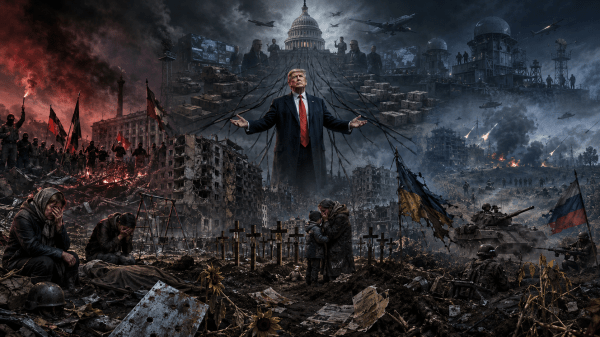
Washington’s War, Ukraine’s Graveyard: The Proxy Conflict Trump Now Pretends to Mediate
The Guardian’s narrative on the Ukraine war kicks off in February 2022, conveniently disregarding the chaotic political landscape, foreign meddling, and the violent rise of armed nationalists that preceded it. The buried history illustrates the overthrow of an elected government and NATO's strategic maneuvers pushing Ukraine to the frontline against Russia. The article reduces years of tragedy to a phone call between Trump, Putin, and Zelenskyy, framing diplomacy as mere spectacle. The real implications? The global working class must rise against this imperialist agenda, demanding peace and refusing to perpetuate a conflict that is less about nations and more about power plays and puppetry.
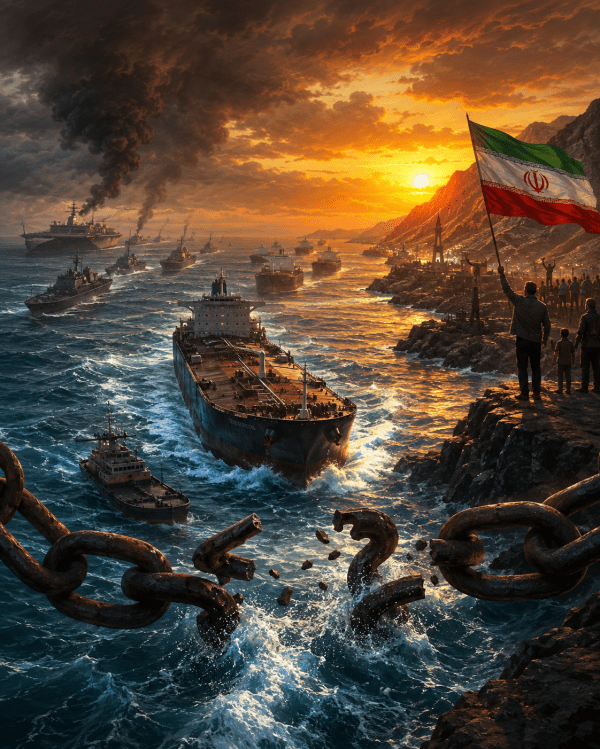
The Empire Signed Iran’s Terms: How Trump Rebranded Defeat as Victory
The Politico narrative transforms Trump's announcement of a U.S.-Iran peace deal into a self-aggrandizing spectacle, obscuring Iran's pivotal role and demands within a fourteen-point memorandum that Washington reluctantly conceded. This agreement signifies a profound U.S. failure to achieve its war aims, as it articulates a retreat framed as victory. The piece highlights how America’s empire is still threatening, renegotiating the terms, and imposing conditions, while Iran emerges fortified. Workers and activists must mobilize to hold Washington accountable, ensuring this retreat doesn't morph into renewed aggression. The reality is stark: the U.S. sought to dominate Iran but ended up conceding to its terms.
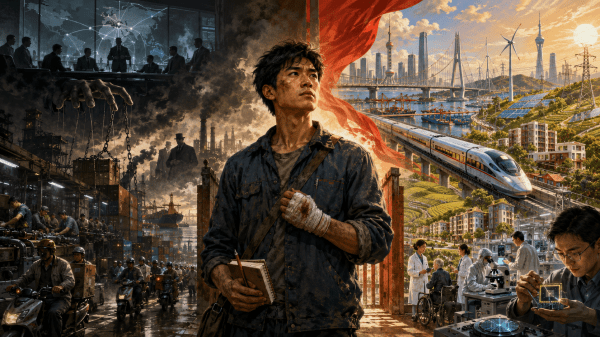
Marx in the Witness Box: How Jacobin Turns a Chinese Worker’s Wounds Against the Revolution
Jacobin's critique of Chinese worker Xiao Hai's memoir misrepresents the entire Chinese Revolution as a failed experiment based on exploitation. While Xiao Hai's story merits recognition, the narrative frames the factory's plight as representative of the whole nation, ignoring China's transformation from a colonial past into a sovereign socialist state. The real conflict lies not between the state and its workers, but rather over how the fruits of development serve the people's dignity versus capital's control. Exploitation exists, but it's the state that counters this with public power, proving not every wound validates Western perspectives of failure. Thus, the critique deflects from recognizing China's unique developmental trajectory amid global capitalism's inequities.
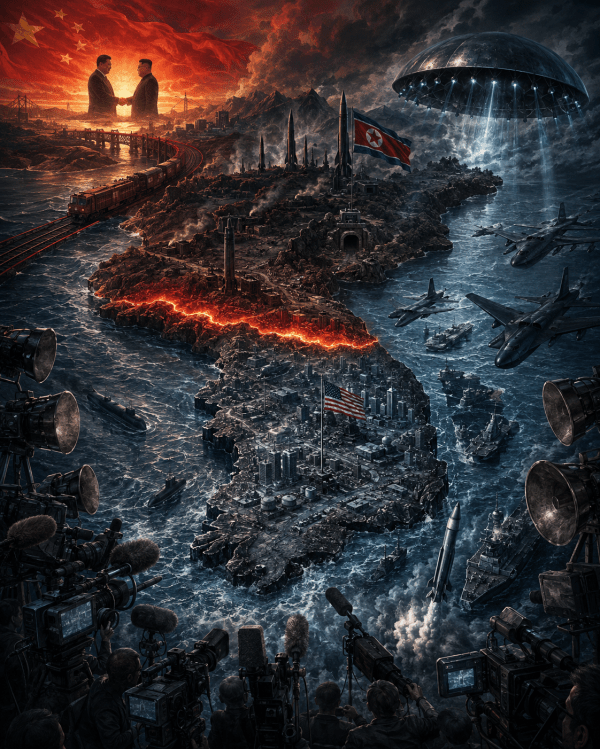
The Empire Calls Its Bombs Peace: Xi’s Silence, North Korea’s Deterrent, and the Unfinished War Washington Refuses to End
The Associated Press's portrayal of Xi Jinping's silence on North Korea's nuclear status obscures the underlying realities of imperial power dynamics. Instead of examining the broader context of the ongoing Korean War, the article sensationalizes rhetoric to favor U.S. perspectives, framing Xi as tacitly supporting Kim Jong Un. This selective narrative overlooks the long-standing military presence of the U.S., the unresolved conflict, and the historical injustices faced by North Korea. By fostering a culture of fear, the media perpetuates a skewed understanding of sovereignty and security, leaving out the pivotal truth: peace cannot stem from disarmament when historical grievances and military pressure remain intact.
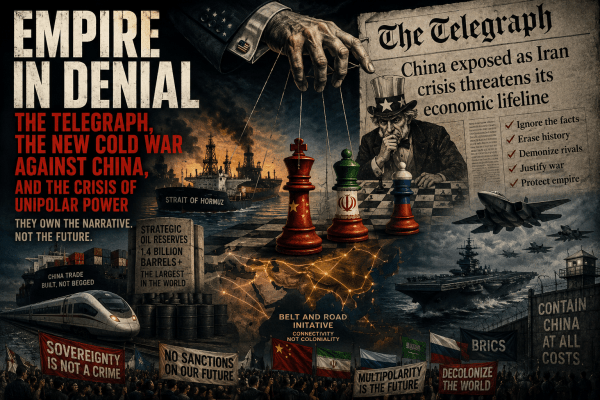
Empire in Denial: The Telegraph, the New Cold War Against China, and the Crisis of Unipolar Power
The Telegraph's portrayal of China as a weakening power is nothing more than imperial propaganda, designed to comfort an anxious Western audience. Underneath such narratives lies a complex reality where the U.S. struggles to maintain its grip on a transforming world order fraught with geopolitical tensions. China’s economic performance, rather than signalling decline, reveals strategic resilience amidst U.S. encirclement. The article strategically omits critical historical context and nuances of international relations, twisting narratives to fit a moral superiority that inaccurately paints adversaries as threats. What emerges is not China's downfall but an empire grappling with its loss of unchallenged authority in a rapidly evolving global landscape.
The Red Menace Strikes Back: Vietnam, the DPRK, and the Collapse of Imperial Isolation
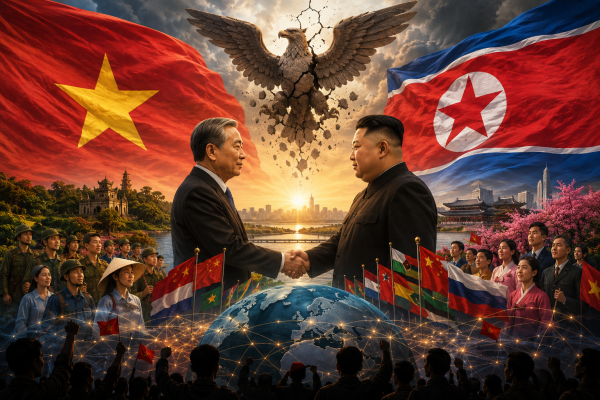
In May 2026, Vietnam's Foreign Minister met with North Korean officials, a significant yet underreported event that challenges the Western narrative of the DPRK as isolated and irrational. This meeting signifies the resurgence of socialist internationalism and the resilience of anti-imperialist relations against a U.S.-dominated order. Vietnam asserts its independence by maintaining ties with a historically aligned state despite pressures to conform to U.S. interests, illustrating a defiance of binary political expectations dictated by Western powers. As these two nations deepen cooperation, they expose cracks in imperial control, revealing that sovereignty endures in the face of sanctions and coercion.
Empire at the Table: Trump, Xi, and the Crisis of Unipolar Power
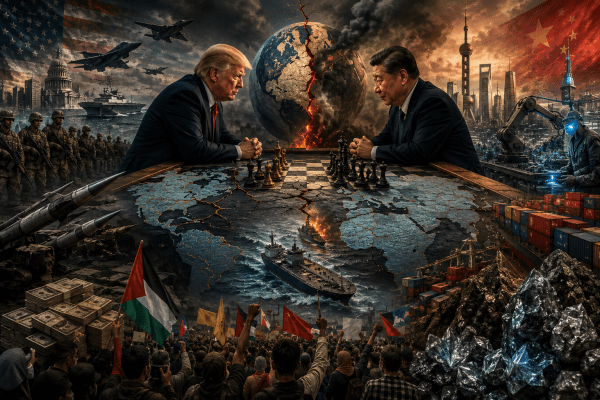
The Beijing summit is not merely a high-stakes poker game between Trump and Xi; it’s a façade hiding an imperial crisis where U.S. dominance falters amid technological decay and geopolitical strife. France 24’s framing turns complex geopolitical tensions into trivial personal confrontations, ignoring the deeper struggles over resources and sovereignty that threaten global order. As globalization erodes, emerging anti-imperialist movements ripple through nations, rejecting the casino logic of empire. The real question isn’t who holds the cards, but whether an imperial system so reliant on exploitation and coercion can adapt to a world increasingly seeking self-determination and resistance.