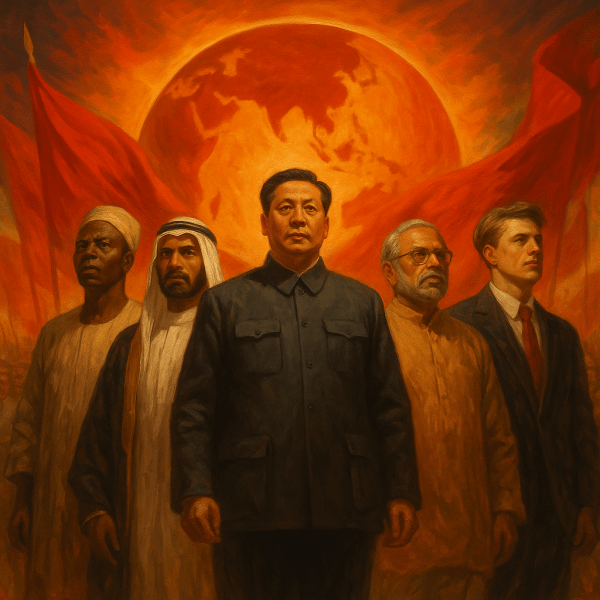
What the Global Civilizations Dialogue Reveals About the Moral Bankruptcy of the WestBy Prince Kapone | Weaponized InformationJuly 17, 2025When the Oppressed Speak, the Empire ScoffsThere is something deeply threatening, almost heretical, to the Western ruling class about the image of hundreds of delegates—African, Asian, Arab, Latin American, and even a handful of white Europeans—gathering... Continue Reading →
The Contradiction Is the Compass: Empire, Multipolarity, and the Revolutionary Horizon
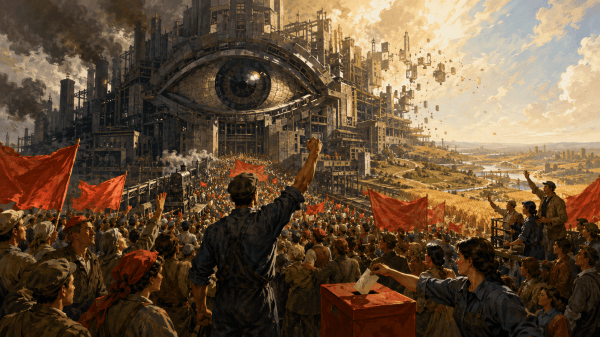
Mapping the Collapse of Empire, the Rise of Multipolar Resistance, and the Opening for SocialismBy Prince Kapone | Weaponized Information | July 4, 2025Why the Empire Cannot Tolerate SovereigntyThe talk in the West is always about freedom—freedom of speech, freedom of markets, freedom of navigation. But what they cannot say, what they dare not say,... Continue Reading →
Central Asia as the Multipolar Hinge: Imperialism’s Kill-Chain, Multipolarity’s Dialectical Furnace
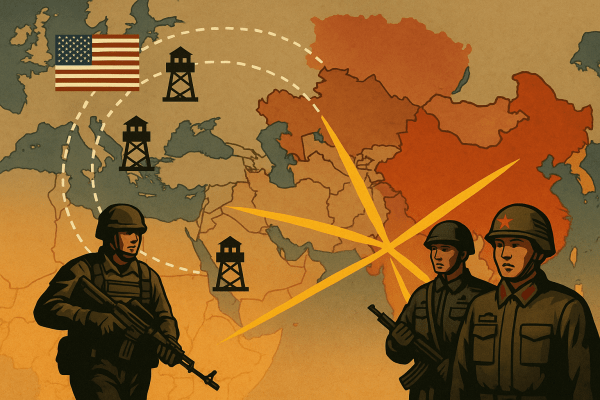
Washington plots a perimeter of bases; Beijing and Moscow lay corridors of sovereignty.By Prince Kapone | Weaponized Information | June 22, 20251. Central Asia’s Strategic PivotFor centuries, Central Asia languished in the imperial imagination as a wind-scoured backwater. Today it blazes as a dialectical furnace—where the collapsing unipolar order meets the molten forces of multipolar... Continue Reading →
The Clearing House That Never Was: Keynes, Dollar Empire, and the Battle for Multipolar Finance
How Keynes’s plan to prevent another world war was buried by the dollar—and why the Global South must resurrect its core logic to dismantle U.S. monetary imperialism today. By Prince Kapone | Weaponized Information | June 2025 Part I: The Clearing House That Never Was In the dying embers of World War II, the Allied... Continue Reading →
Whose Workers, Whose Wages? A Revolutionary Intervention Against the Imperial Left’s China Syndrome
While China brings electricity, roads, and rail to the Global South, the imperial left brings its measuring tape—only to weep over wage gaps. But whose gap are they really mourning? And in whose name?By Prince Kapone | Weaponized Information | June 10, 2025Bricks, Not Sermons: The Scale of Struggle in Concrete TermsIn the war for... Continue Reading →
No Socialism on Stolen Land: Why Land Back and Reparations Are Revolutionary Prerequisites
You can’t build a workers’ republic on a settler colony. By Prince Kapone | Weaponized Information | June 1, 2025 Revolution Without Reckoning? You hear it all the time—usually from someone quoting Marx on wages or waving a red flag at a march: “We need to focus on the working class.” But ask them what... Continue Reading →
Letter From The Editor: Why I Named Myself Prince Kapone
Why I Named Myself Prince KaponeBy Prince Kapone | Weaponized InformationMay 27, 2025When I turned eighteen, I made a decision that would define the rest of my life. It wasn’t just about age—it was about self-determination. Me and my closest comrade, who named himself Moses Coleone, made a pact: we would rename ourselves. It was... Continue Reading →
The Long Road to Multipolarity: BRICS+ and the Contradictions of the Imperial Order
Part I: The Emergence of Multipolarity — A Dialectical-Historical Materialist AnalysisMultipolarity Emerges from ContradictionMultipolarity didn’t emerge from diplomatic handshakes or academic white papers. It emerged from blood, debt, occupation, collapse, and rebellion. It is not a utopian dream projected onto the future. It is the visible tremor of a system in breakdown, and of the... Continue Reading →
Recolonizing the Core: Trump, Imperial Decline, and the Race to the Bottom
Trump isn’t restoring American greatness—he’s dismantling the imperial core to recreate Global South conditions at home, using austerity, surveillance, and shock therapy to reposition U.S. labor as a cheap resource in the twilight of empire.By Prince Kapone, Weaponized InformationImplosion as StrategyTrump is not mismanaging the U.S. economy—he is deliberately detonating it. Beneath the buffoonery, beneath... Continue Reading →
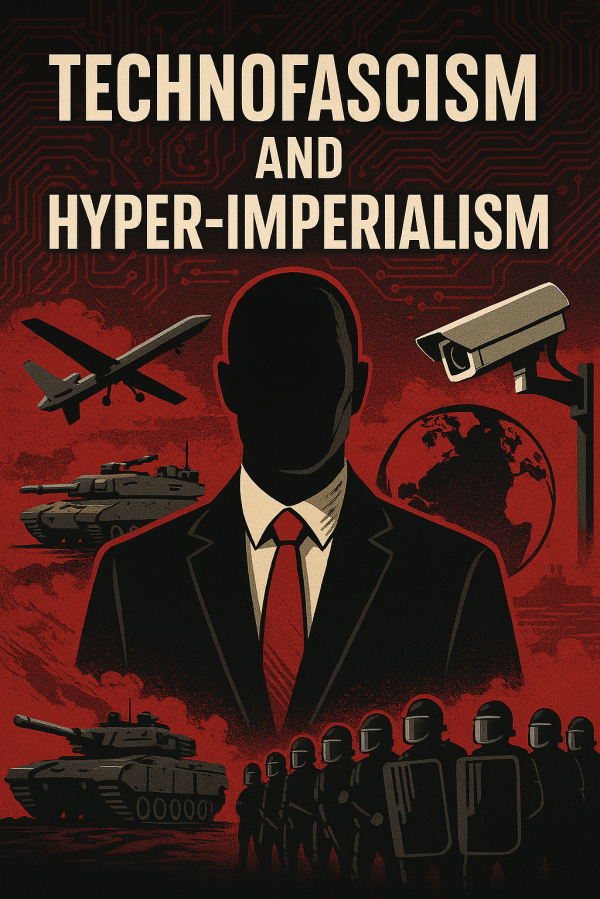
The Technofascist System and Hyper-Imperialism: The Death Throes Of Empire
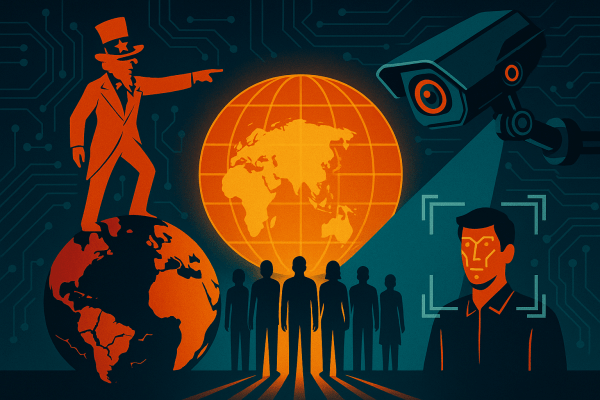
By Prince Kapone | Weaponized InformationIntroduction: From the Cellblock to the Vanguard — A Personal Journey into the Heart of TechnofascismI became a revolutionary at eighteen, in a county jail cell awaiting transfer to prison. Like so many others in this empire, my political awakening came through the fire of incarceration—a system designed to break... Continue Reading →
As the Empire Cannibalizes Itself: Trump’s Tariff War and the Collapse of Illusions
By Prince Kapone Weaponized Information (WI)April 9, 2025 This report is not an obituary but a warning shot. The latest tremors in the U.S. economy—shaken by Trump’s spectacular tariff war and the ensuing bond market rout—are not isolated disruptions. They are signs of a collapsing imperial architecture. And as the scaffolding of U.S. supremacy rattles,... Continue Reading →
The World Was Not Discovered: Genocide, Slavery, and the Birth of Capitalist Empire
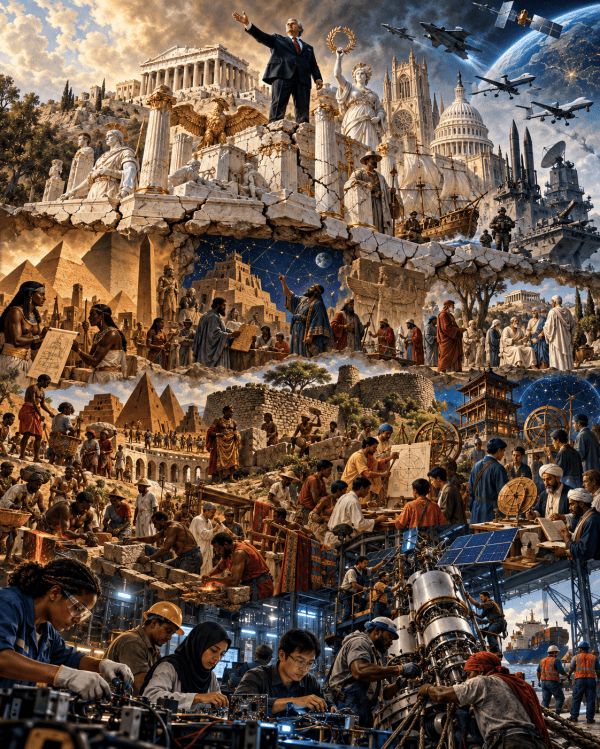
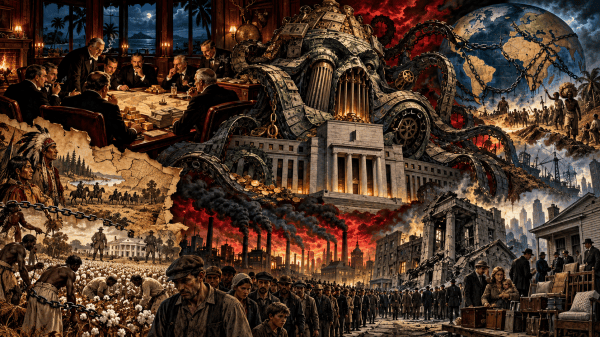
History is often told from the perspective of conquerors, romanticizing imperialism as a noble endeavor of “discovery.” However, this narrative ignores the vibrant, complex societies that existed long before European arrival; civilizations rich in culture and knowledge prepared to resist. The so-called “Age of Discovery” merely facilitated violent conquest, genocide, and exploitation. Colonialism and capitalism are intertwined, with wealth extracted through enslavement and land theft, while underdevelopment in colonized regions resulted from this systematic violence. Today, the consequences of colonialism persist, as neo-colonial strategies manipulate economies and suppress sovereignty. To reclaim the future, societies must confront this history, recognize the pain of oppression, and organize for a just world, free from the chains of empire.
The Embassy Government: How AP Turns Venezuela’s Capture Into a Chavista Crack-Up
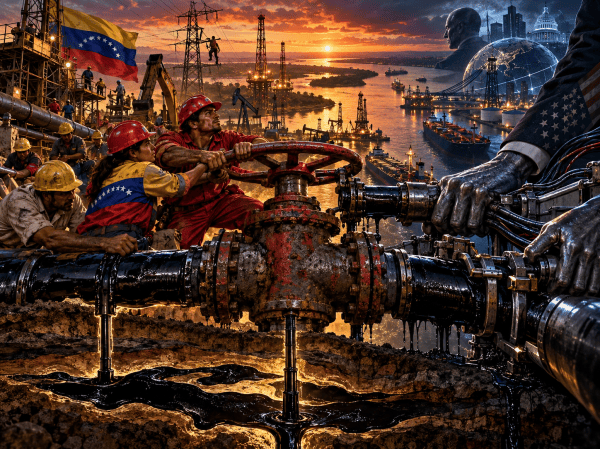
The Associated Press spins Venezuela’s crisis as a mere internal drama of political division, subtly masking the U.S. military’s pivotal role in toppling Maduro. Behind the façade of Chavismo's weakening loyalties lies imperial coercion—an acting government subservient to Washington. The narrative portrays disarray but downplays U.S. oversight of oil sales and military drills, normalizing foreign occupation while disguising it as internal strife. By framing this as a crisis of governance, the AP shifts attention from the imperial machinery at work, thereby sidestepping critical questions of sovereignty and resistance. The real story is not betrayal; it's exploitation under the guise of reform.
Bull Market, Broke People: The Stock Market’s Good News Is the Working Class’s Bad Joke
As markets soar, the majority of households are trapped in economic despair, cutting back on spending as essential prices rise and wages stagnate. The AP's analysis of "consumer confidence" reveals a grotesque class divide—where the wealthy thrive and the working class suffers under burdens of debt and inflation. This narrative cleverly masks the structural inequalities, framing economic distress as mere sentiment rather than a blatant symptom of a system rigged in favor of capital. The urgent call to action is clear: workers must unify and transform their economic plight into organized class power, recognizing that genuine change requires confrontational strategies, not empty optimism.
From the Amerikan Dream to the Amerikan Nightmare: Malcolm X, Revolution and the New Human Being
Malcolm X reshaped my understanding of America’s racial dynamics, revealing it not as a flawed democracy but as a colonial project steeped in oppression. His teachings led me beyond the shallow understanding of leftist politics to a deeper comprehension of the intertwined struggles against imperialism and capitalism. Each encounter with his work pushed me toward recognizing humanity in the oppressed and the global context of their struggles. Through Malcolm, I learned that true liberation requires a conscious break from inherited identities tied to empire. His evolution mirrors a broader human struggle, challenging us to embrace revolutionary love as an act of transformation, not mere rhetoric.
Black Gold, Broken Chains: The AES, China, and the Sahel’s Revolt Against Empire
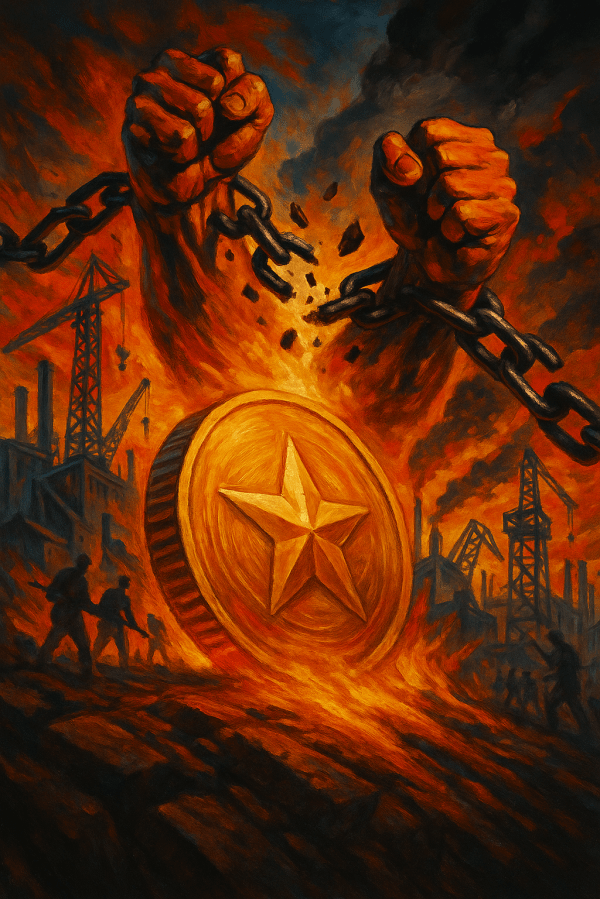
The recent oil agreements between Niger and Chinese firms aren't just another business deal; they expose a seismic shift in Africa's political landscape. As Western powers cling to outdated neocolonial frameworks, Niger is bargaining fiercely for sovereignty over its vast resources, rejecting mere extraction in favor of local control. This isn't a clean break; it’s messy and contradictory, revealing the power struggle over who governs the circulatory systems of wealth. The Sahel countries are navigating a new reality where they challenge traditional dependency and assert their agency. History is shifting beneath our feet—can Africa carve out a new path, or will old patterns reassert themselves?
Cocaine Cowboys and Lithium Indians: Bolivia, the Monroe Doctrine, and the Return of the Colonial Republic
Bolivia is ablaze, but The New York Times misses the mark, framing protests as mere chaos ignited by a presidential betrayal. The truth is far more profound: a collision of historical projects poised for supremacy. Behind the unrest lies a struggle against neocolonial forces, with President Paz's agrarian reforms threatening Indigenous and campesino sovereignty. The culprits are not just disenfranchised voters but a systematic push toward resource extraction and imperialism. The uprising is a collective cry not just for policy change but for self-determination, land rights, and a unified front against re-colonization. The narrative must shift from superficial crisis to deep-rooted rebellion.
Crouching Tiger, Hidden Shareholder: The Empire Goes on the Auction Block
What if the façade of Asian firms acquiring American assets is merely a veneer masking a broader crisis of imperial power? The Asia Times' portrayal presents a triumphant narrative of capital flows, yet ignores the brutal realities behind ownership transitions. As firms like Sun Pharma and Mitsubishi grasp at American infrastructure, the underlying forces of deindustrialization, labor exploitation, and geopolitical tensions are left unexamined. This isn't progress—it's a manipulation of perception. The real question remains: who controls these vital resources? Without a radical reimagining of ownership, the future remains shackled to elite interests, while workers are forced to celebrate their own dispossession.
RED MACHINES, BLACK MIRRORS: AI, EMPIRE, AND THE NEW LONG MARCH AGAINST CAPITALISM
China's transformation from a mere assembly line to a powerhouse of intelligent manufacturing signals a seismic shift that threatens to dismantle the Atlantic monopoly on industrial command. As the U.S. responds with sanctions and technological blockades, the real battle unfolds over who controls the future of AI and automation. This is not merely an economic transition; it's a clash of ideologies. The West fears a new geopolitical order where technological sovereignty empowers the Global South, undermining imperial hierarchy. While intelligent manufacturing holds the potential for collective liberation, unchallenged monopoly control risks deepening exploitation. The future demands that humanity wrests command from corporate hands, reshaping technology for collective progress.
All Will Be Forgiven: Pakistan, Iran, and the Empire’s Crisis of Obedience
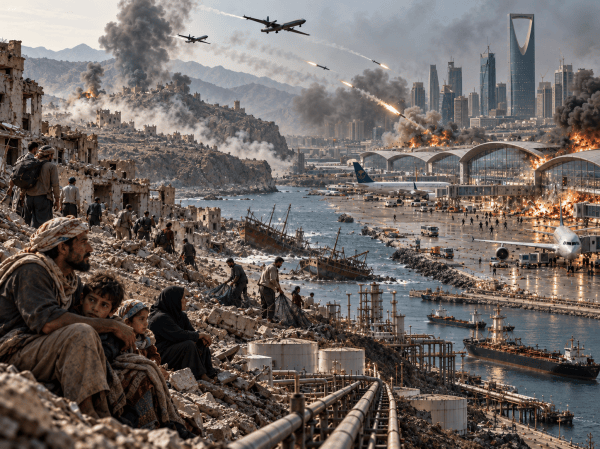
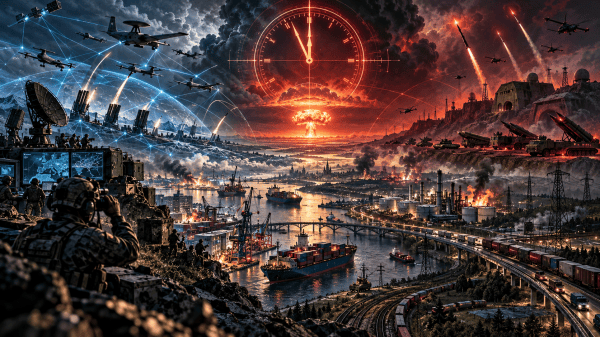
Pakistan’s emergence as a mediator in the U.S.-Iran war is a masquerade, showcasing a military regime, led by Prime Minister Shehbaz Sharif, seeking legitimacy through compliance with U.S. agendas. The facade of diplomacy hides a deeper reality: military-managed governance, manipulative partnerships, and economic subjugation sustained by Western powers. As global dynamics shift, Pakistan's balancing act among rival powers reveals an opportunistic survival strategy rather than genuine sovereignty. This troubling scenario underscores an essential truth: imperialism thrives not through outright violence but via coercive control, shaping a world where authentic peace remains a distant, arguably unattainable ideal.
Stars, Stripes, and Holy Water: How a Dying Empire Learned to Pray Again
The Rededicate 250 rally manifests an America grappling with its imperial decline, revealing the ruling class’s desperation to fuse nationalism with spirituality. Beneath the spectacle of Christianity cloaked in patriotism lies a profound social crisis fueled by economic insecurity and political fragmentation. This event serves as a liturgy for a faltering empire, seeking to stabilize itself through divine deception, while conveniently ignoring the historical injustices it thrives upon. Critics alarmingly diminish the event's significance, merely framing it as religious overtone, while the deeper threat is a political theology exacerbating class power dynamics and moralizing imperial oppression. As the empire crumbles, the call for authentic solidarity becomes paramount.