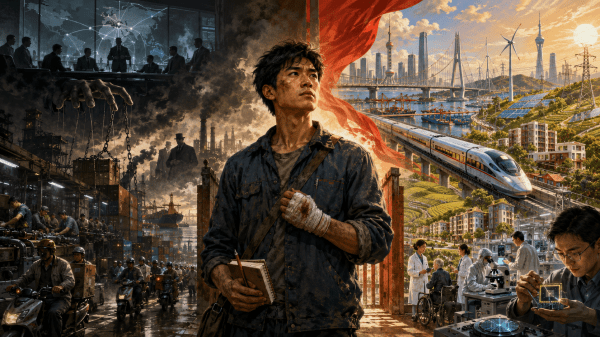
Jacobin's critique of Chinese worker Xiao Hai's memoir misrepresents the entire Chinese Revolution as a failed experiment based on exploitation. While Xiao Hai's story merits recognition, the narrative frames the factory's plight as representative of the whole nation, ignoring China's transformation from a colonial past into a sovereign socialist state. The real conflict lies not between the state and its workers, but rather over how the fruits of development serve the people's dignity versus capital's control. Exploitation exists, but it's the state that counters this with public power, proving not every wound validates Western perspectives of failure. Thus, the critique deflects from recognizing China's unique developmental trajectory amid global capitalism's inequities.
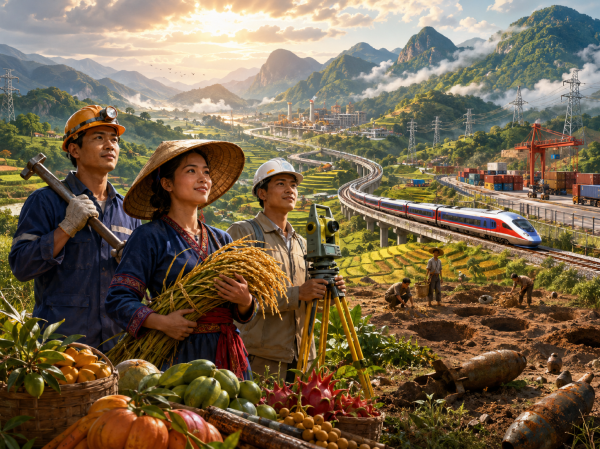
Keeping to the Socialist Path: Laos, China, and the Machinery of South-South Development
The June 2026 Laos-China state visit unfolded as a significant convergence between two socialist nations navigating their intertwined ambitions amid a capitalist-imperialist world. Rather than surrendering to the narrative of a “debt trap,” Laos and China embraced a collaboration marked by political intent, evidenced in thirty-two agreements across sectors like agriculture and technology. This partnership aims to transform Laos into a self-sufficient state, guided by its revolutionary history. The imperial media, however, conveniently ignored this cooperation, as it undermines their narrative of helpless nations. Laos, now reclaiming agency, is no longer portrayed as a mere victim but as a sovereign actor defining its path to development.
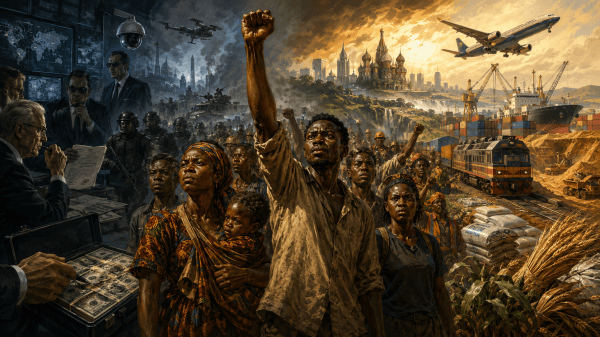
Hands Off Tanzania: The West Discovers Democracy When Africa Stops Asking Permission
Tanzania's diplomatic dance with Russia unveils a stark reality: while Western media narrows the narrative to a disobedient state seeking validation from imperial powers, the true story is a nation striving for sovereignty and survival. President Hassan’s trip, framed as a scandal by Western outlets, masks the pressing needs of food security, trade, and military cooperation. The West frames Africa’s foreign policy through its lens, yet Tanzania’s pursuit of diverse partnerships challenges this monopoly. This isn’t merely about a president’s reputation; it’s about a country's right to self-determination. The true scandal? Tanzania’s defiance shakes colonial chains, invoking both anxiety and resentment from its former overseers.
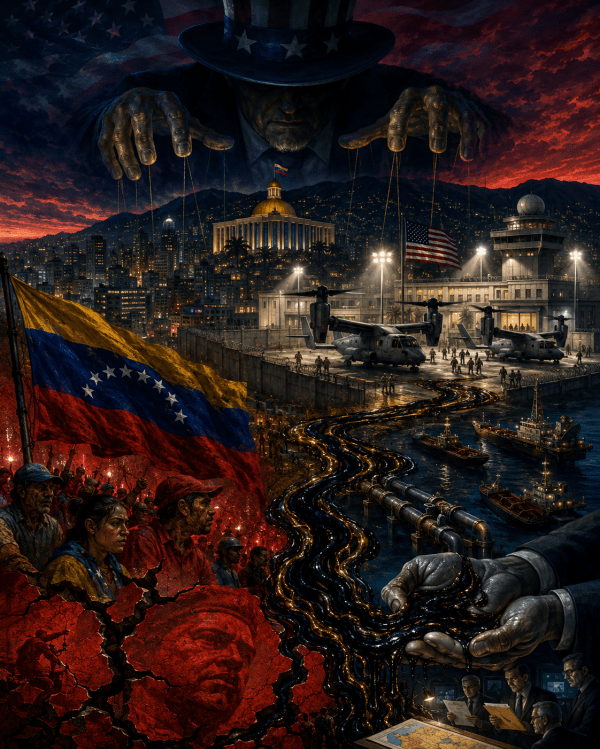
The Embassy Government: How AP Turns Venezuela’s Capture Into a Chavista Crack-Up
The Associated Press spins Venezuela’s crisis as a mere internal drama of political division, subtly masking the U.S. military’s pivotal role in toppling Maduro. Behind the façade of Chavismo's weakening loyalties lies imperial coercion—an acting government subservient to Washington. The narrative portrays disarray but downplays U.S. oversight of oil sales and military drills, normalizing foreign occupation while disguising it as internal strife. By framing this as a crisis of governance, the AP shifts attention from the imperial machinery at work, thereby sidestepping critical questions of sovereignty and resistance. The real story is not betrayal; it's exploitation under the guise of reform.
All Will Be Forgiven: Pakistan, Iran, and the Empire’s Crisis of Obedience
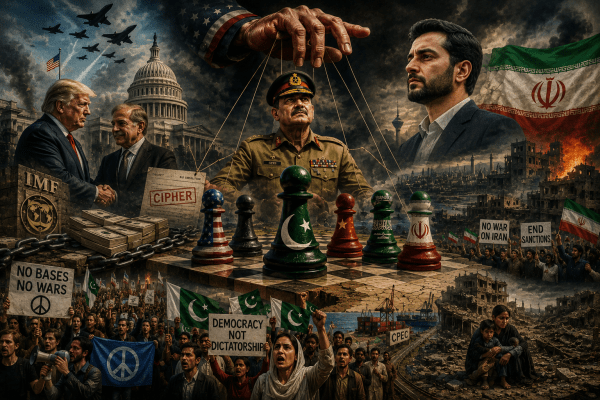
Pakistan’s emergence as a mediator in the U.S.-Iran war is a masquerade, showcasing a military regime, led by Prime Minister Shehbaz Sharif, seeking legitimacy through compliance with U.S. agendas. The facade of diplomacy hides a deeper reality: military-managed governance, manipulative partnerships, and economic subjugation sustained by Western powers. As global dynamics shift, Pakistan's balancing act among rival powers reveals an opportunistic survival strategy rather than genuine sovereignty. This troubling scenario underscores an essential truth: imperialism thrives not through outright violence but via coercive control, shaping a world where authentic peace remains a distant, arguably unattainable ideal.
Strategic Stability or Strategic Pause: The Trump–Xi Summit and the Fracturing of the American Century
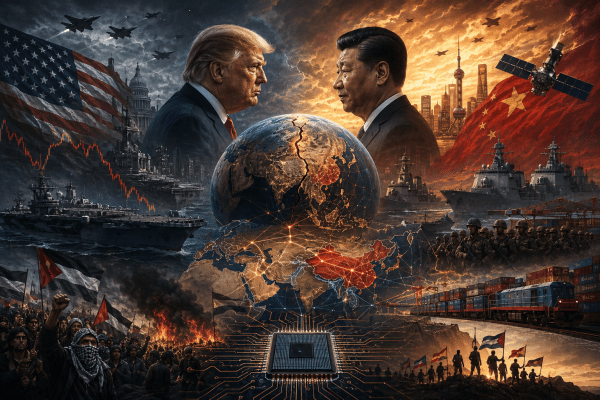
The Beijing summit epitomizes the unraveling of American supremacy, as Donald Trump arrived not merely as a president, but as a messenger of an empire in disarray. The spectacle of diplomatic niceties belied a crumbling global landscape, where the U.S. seeks containment while its capital cravenly craves access to China's vast markets. The summit revealed profound contradictions: America, armed yet impotent, involved in a tech war while reliant on the very infrastructure it seeks to undermine. As the Atlantic order falters, a multipolar era teeters on the edge, with ideological fractures foreshadowing a future fraught with uncertainty—yet, fertile for revolutionary possibilities.
Workers of the New World: BRICS+, Platform Capital, and the Class Struggle Inside Multipolarity
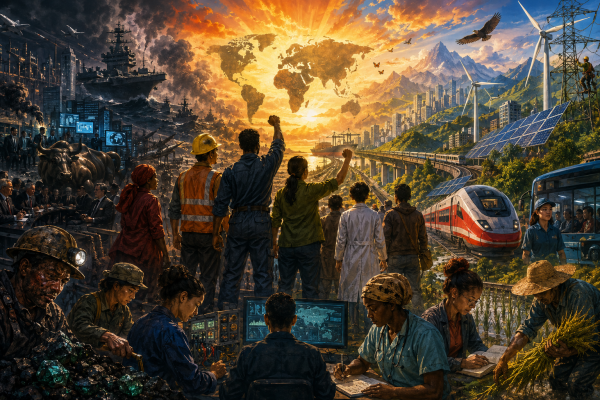
The Atlantic neoliberal order is disintegrating, revealing the ravages inflicted on workers and the environment by a relentless pursuit of profit. As BRICS+ nations seek to reclaim industrial sovereignty and labor rights, they face a chaotic multipolar reality where exploitation continues under different guises. Amid profound instability, the laboring class must transition from mere instruments of production to conscious political actors capable of reshaping development. This moment offers a critical opportunity: to reclaim the narrative and construct a world centered on human dignity and ecological balance. The question now is whether history will be rewritten by workers or remain dominated by elites.
Gold, Lithium, and the Chains of Empire: Zimbabwe, China, and the Battle to Break the Colonial Economy
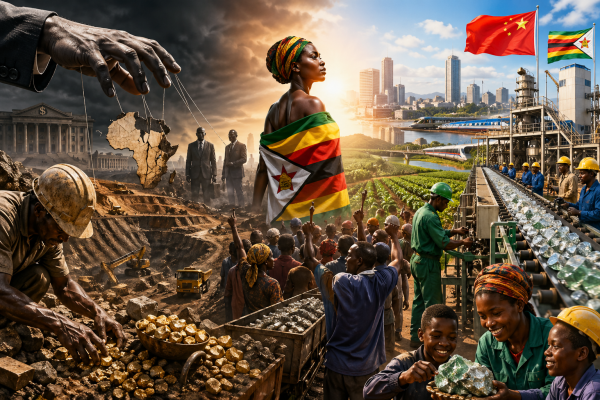
The imperial press calls Zimbabwe’s recovery “bizarre,” revealing more about empire’s ideology than Africa’s reality. Beneath the headlines lies a material transformation driven by gold, lithium, labor, and survival within a system built to constrain it. As Zimbabwe pushes toward beneficiation and partners with China, it enters a global struggle over who controls resources, industry,... Continue Reading →
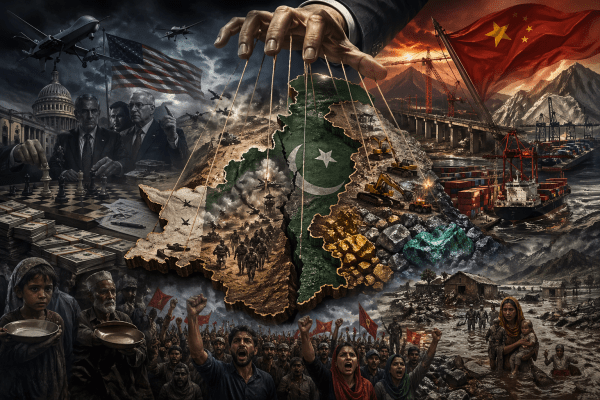
Fault Lines of Empire: U.S. Strategy, Pakistani Class Power, and the Crisis of Sovereignty
Asia Times frames Pakistan’s instability as a strategic obstacle, obscuring the material and political forces shaping the terrain. The crisis emerges from IMF austerity, elite domination, climate catastrophe, and a deepening political rupture following the coup against Imran Khan. Imperialist recalibration collides with multipolar transition, exposing the struggle between sovereignty and neocolonial extraction. Workers, peasants,... Continue Reading →
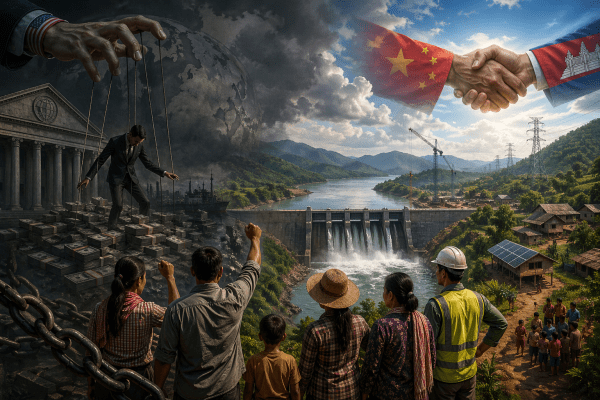
Concrete and Control: Imperial Media vs Sovereign Development in the China–Cambodia Energy Nexus
This essay excavates how Western energy media transforms a Cambodian hydropower project into a geopolitical morality play, recoding sovereign development as “Chinese influence.” It reconstructs the material reality beneath that narrative: fuel dependence, state planning, bilateral agreements, regional grid integration, and the political economy of infrastructure. It then reframes the project as a node in... Continue Reading →