The Throne Was Always Cracked: Radhika Desai and the Myth of American Hegemony

Radhika Desai’s Geopolitical Economy obliterates the illusion of a stable, American-led world, revealing that capitalism thrives on conflict, not unity. The book exposes capitalism’s instability, punctuated by crises that merely reshift the burdens onto workers and debtor nations. Desai argues for a multipolar world not as a peaceful transition to a new hegemon, but as a rupture from monopolistic control, fostering opportunities for sovereign development and socialist planning. However, liberation demands that working people reclaim the means of production and governance. The narrative warns against complacency; the emerging multipolarity is ripe for struggle, shaping the future based on who wields power over resources and development.

Keeping to the Socialist Path: Laos, China, and the Machinery of South-South Development

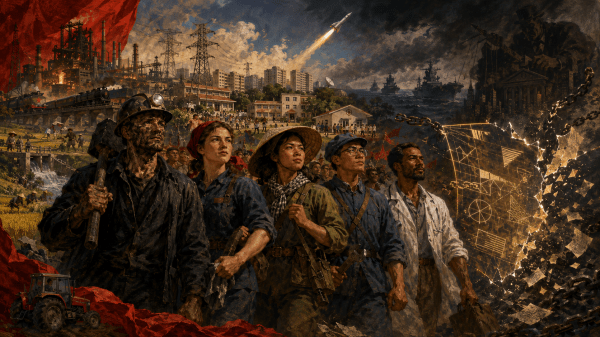
The June 2026 Laos-China state visit unfolded as a significant convergence between two socialist nations navigating their intertwined ambitions amid a capitalist-imperialist world. Rather than surrendering to the narrative of a “debt trap,” Laos and China embraced a collaboration marked by political intent, evidenced in thirty-two agreements across sectors like agriculture and technology. This partnership aims to transform Laos into a self-sufficient state, guided by its revolutionary history. The imperial media, however, conveniently ignored this cooperation, as it undermines their narrative of helpless nations. Laos, now reclaiming agency, is no longer portrayed as a mere victim but as a sovereign actor defining its path to development.

Hands Off Tanzania: The West Discovers Democracy When Africa Stops Asking Permission

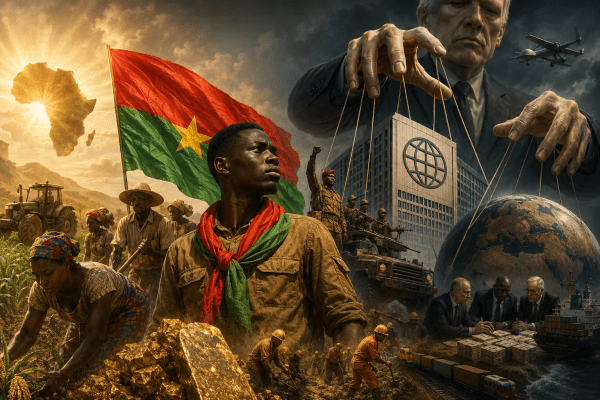
Tanzania's diplomatic dance with Russia unveils a stark reality: while Western media narrows the narrative to a disobedient state seeking validation from imperial powers, the true story is a nation striving for sovereignty and survival. President Hassan’s trip, framed as a scandal by Western outlets, masks the pressing needs of food security, trade, and military cooperation. The West frames Africa’s foreign policy through its lens, yet Tanzania’s pursuit of diverse partnerships challenges this monopoly. This isn’t merely about a president’s reputation; it’s about a country's right to self-determination. The true scandal? Tanzania’s defiance shakes colonial chains, invoking both anxiety and resentment from its former overseers.

The Witch Has a Booking Page: How Capital Sells Women Back the Commons It Destroyed

The Guardian romanticizes women's escape into witchcraft retreats, masking a harsher truth: capitalism has fragmented community, only to sell facsimiles of it back to the lonely. Beneath the rituals of sisterhood lies a commodified search for healing, where pain is packaged as a wellness experience for those who can afford it. This article stirs empathy but shies away from confronting the systemic forces that produced these wounds. Women are not merely seeking solace; they are expressing anger born from societal oppression. The challenge is to transition from commodified refuge to collective action, turning shared grief into political power.

The Empire Calls Its Bombs Peace: Xi’s Silence, North Korea’s Deterrent, and the Unfinished War Washington Refuses to End

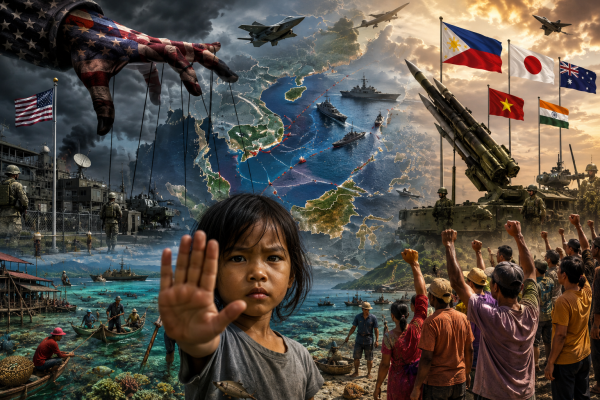
The Associated Press's portrayal of Xi Jinping's silence on North Korea's nuclear status obscures the underlying realities of imperial power dynamics. Instead of examining the broader context of the ongoing Korean War, the article sensationalizes rhetoric to favor U.S. perspectives, framing Xi as tacitly supporting Kim Jong Un. This selective narrative overlooks the long-standing military presence of the U.S., the unresolved conflict, and the historical injustices faced by North Korea. By fostering a culture of fear, the media perpetuates a skewed understanding of sovereignty and security, leaving out the pivotal truth: peace cannot stem from disarmament when historical grievances and military pressure remain intact.

They Called It Ego: Jacobin, Chris Smalls, and the Policing of Black Anti-Imperialist Labor

Chris Smalls, once heralded as a labor hero, now finds himself a casualty of overblown ego in the eyes of Jacobin. Yet, this portrayal dangerously obscures a deeper truth: his evolution from solely confronting Amazon to advocating for Palestinian and Cuban solidarity reveals an unsettling fear among the respectable Left. They're comfortable with labor militancy as long as it remains contained and domesticated; once it branches into anti-imperialism, they recoil. Smalls symbolizes a challenge to the status quo, an unfiltered confrontation with empire that threatens to redefine labor politics as an international struggle. In essence, the fear of a Black worker embracing a global perspective exposes the fragile backbone of contemporary Leftist thought.

The World Was Not Discovered: Genocide, Slavery, and the Birth of Capitalist Empire

History is often told from the perspective of conquerors, romanticizing imperialism as a noble endeavor of “discovery.” However, this narrative ignores the vibrant, complex societies that existed long before European arrival; civilizations rich in culture and knowledge prepared to resist. The so-called “Age of Discovery” merely facilitated violent conquest, genocide, and exploitation. Colonialism and capitalism are intertwined, with wealth extracted through enslavement and land theft, while underdevelopment in colonized regions resulted from this systematic violence. Today, the consequences of colonialism persist, as neo-colonial strategies manipulate economies and suppress sovereignty. To reclaim the future, societies must confront this history, recognize the pain of oppression, and organize for a just world, free from the chains of empire.

The Embassy Government: How AP Turns Venezuela’s Capture Into a Chavista Crack-Up

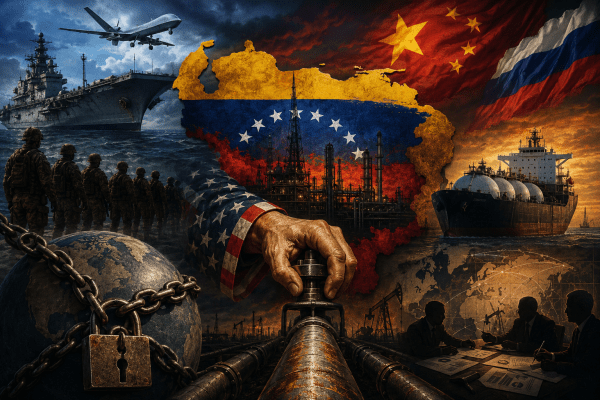
The Associated Press spins Venezuela’s crisis as a mere internal drama of political division, subtly masking the U.S. military’s pivotal role in toppling Maduro. Behind the façade of Chavismo's weakening loyalties lies imperial coercion—an acting government subservient to Washington. The narrative portrays disarray but downplays U.S. oversight of oil sales and military drills, normalizing foreign occupation while disguising it as internal strife. By framing this as a crisis of governance, the AP shifts attention from the imperial machinery at work, thereby sidestepping critical questions of sovereignty and resistance. The real story is not betrayal; it's exploitation under the guise of reform.

From the Amerikan Dream to the Amerikan Nightmare: Malcolm X, Revolution and the New Human Being

Malcolm X reshaped my understanding of America’s racial dynamics, revealing it not as a flawed democracy but as a colonial project steeped in oppression. His teachings led me beyond the shallow understanding of leftist politics to a deeper comprehension of the intertwined struggles against imperialism and capitalism. Each encounter with his work pushed me toward recognizing humanity in the oppressed and the global context of their struggles. Through Malcolm, I learned that true liberation requires a conscious break from inherited identities tied to empire. His evolution mirrors a broader human struggle, challenging us to embrace revolutionary love as an act of transformation, not mere rhetoric.

Cocaine Cowboys and Lithium Indians: Bolivia, the Monroe Doctrine, and the Return of the Colonial Republic

Bolivia is ablaze, but The New York Times misses the mark, framing protests as mere chaos ignited by a presidential betrayal. The truth is far more profound: a collision of historical projects poised for supremacy. Behind the unrest lies a struggle against neocolonial forces, with President Paz's agrarian reforms threatening Indigenous and campesino sovereignty. The culprits are not just disenfranchised voters but a systematic push toward resource extraction and imperialism. The uprising is a collective cry not just for policy change but for self-determination, land rights, and a unified front against re-colonization. The narrative must shift from superficial crisis to deep-rooted rebellion.

Website Powered by WordPress.com.

Up ↑