No Pride in Empire: Seattle’s Rainbow Classroom and the World Cup War Machine

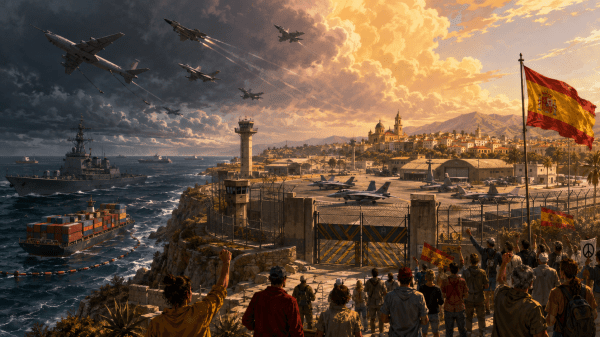
The Seattle Pride Match is not just a progressive celebration but a vehicle for imperial propaganda, co-opting the cultural struggles of predominantly Muslim nations like Iran and Egypt. This event frames the West as a moral authority while masking the brutal realities of sanctions, military finance, and surveillance that underpin these dynamics. The local organizers, corporate sponsors, and FIFA collaborate to transform a football match into a colonial lesson, undermining the very values they profess to uphold. The real challenge lies in recognizing this manipulation and reframing the narrative: embracing genuine solidarity and resistance against imperial structures, rather than succumbing to an illusion of moral superiority.

The Master Brings Fire: Why Saudi Arabia Is Looking East as the American Oil Order Burns

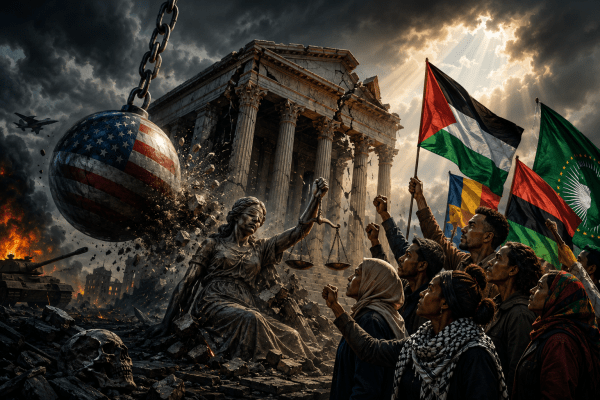
The narrative on Saudi Arabia's pivot to China disguises a deeper crisis in the U.S. imperial order. This is not a simple geopolitical romance; rather, it's a monarchy hedging its bets amid a shaky alliance once thought stable. With U.S. militarism fueling vulnerability in the Gulf, Riyadh seeks alternatives to the failing American security blanket, signaling an alarming shift. Yet, this recalibration is not liberation; it reveals the fragility of U.S. dominance as clients explore exits from a system that thrives on exploitation and chaos. As empires decay, the task is clear: galvanize working-class resistance against the war machinery that perpetuates this chaos.

The Cloud Has Teeth: Big Tech, SpaceX, and the Casino of Technofascism

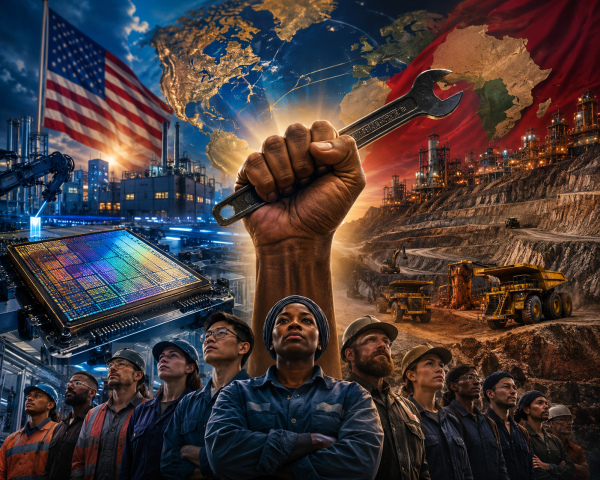
The Financial Times might report a stock market tremor as a mere sell-off, but beneath this facade lies a damning truth: Big Tech’s AI boom and SpaceX’s bubble float atop public resources, military contracts, and labor exploitation. This crisis isn't just an investor's blip; it reveals the rot of monopoly capitalism, where clouds obscure heavy debts to the state and imperialism. As SpaceX’s stocks drop, they signify a broader collapse of illusion, exposing the grim reality of military dependency and energy consumption. The future shouldn’t be left to financiers, but redirected to the people, demanding public ownership and accountability in the face of an engineered technological dystopia.

The Rolling Conquest: When Empire Calls Itself Democracy

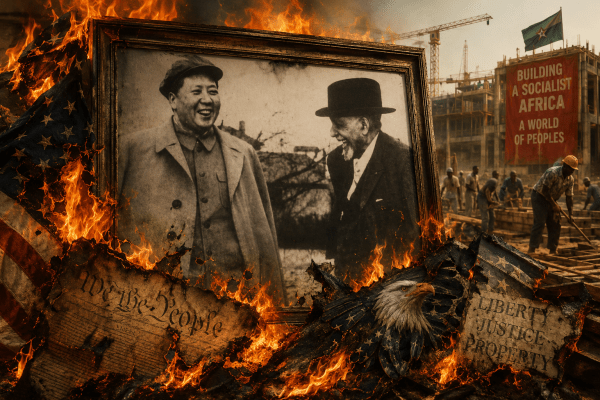
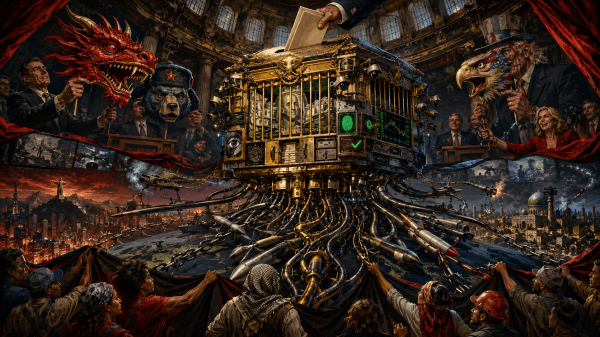
The alarm over Trump’s so-called “rolling coup” misses the mark, framing it as a betrayal of democracy rather than recognizing it as a byproduct of a long-standing imperial legacy. The machinery wielded now—surveillance, detention, repression—has deep roots in American history, not just Trump’s era. The danger extends beyond authoritarianism; it’s about an empire shifting to open coercion as it faces crisis. The solution isn’t to restore a flawed system but to cultivate organized, anti-imperialist solidarity. It's time for the oppressed to reclaim their agency, defend against state violence, and dismantle the architecture of oppression that fuels this mechanized repression.

China Locked the Vault: Wall Street Weeps for the Investor It Wanted to Recruit

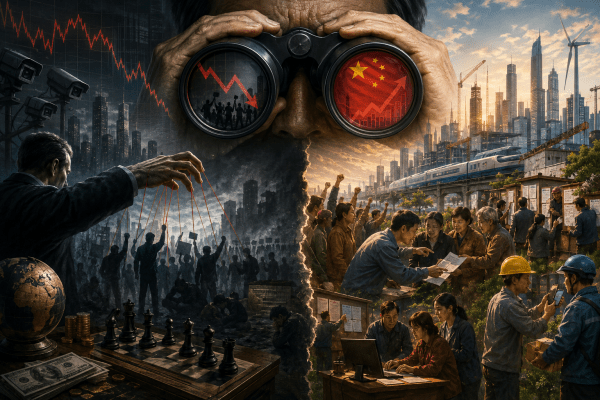
The New York Times portrays China's financial regulations as a morality tale of oppressed investors yearning for capital freedom, framing Beijing's restrictions on overseas investments as authoritarian repression. However, this narrative conveniently ignores China's struggle against capital flight amidst geopolitical tensions with the U.S. The real story is about defending national wealth from draining into imperial circuits while promoting domestic stability and development. This distortion of capital mobility as individual freedom obscures the broader implications of wealth dispersing into an adversarial financial system. The moral panic surrounding investor frustrations reveals a deeper conflict: the sovereignty of a nation versus the whims of financial capital.

The Roads Remember Túpac Amaru: Jacobin Calls Popular Power a Vacuum

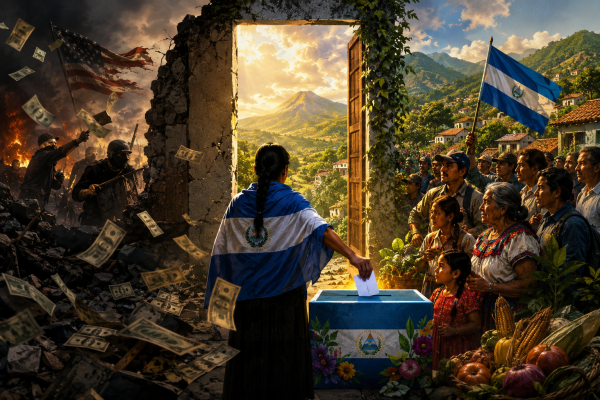
Bolivia is experiencing a seismic shift, as the indigenous and working-class masses rise against a government they see as complicit with imperial interests and corporate power. Jacobin's portrayal of this struggle as chaotic “political vacuum” fails to grasp the reality: the people are not absent from politics; they are reclaiming agency. While the ruling class laments blocked roads and instability, they ignore the genuine political force being forged by those occupying them—workers, campesinos, and indigenous communities asserting power where previously silenced. The barricades are not just obstacles; they symbolize resistance against commodification and repression, signaling a reawakening of history in the fight for sovereignty and justice.

The Empire Signed Iran’s Terms: How Trump Rebranded Defeat as Victory

The Politico narrative transforms Trump's announcement of a U.S.-Iran peace deal into a self-aggrandizing spectacle, obscuring Iran's pivotal role and demands within a fourteen-point memorandum that Washington reluctantly conceded. This agreement signifies a profound U.S. failure to achieve its war aims, as it articulates a retreat framed as victory. The piece highlights how America’s empire is still threatening, renegotiating the terms, and imposing conditions, while Iran emerges fortified. Workers and activists must mobilize to hold Washington accountable, ensuring this retreat doesn't morph into renewed aggression. The reality is stark: the U.S. sought to dominate Iran but ended up conceding to its terms.

Starve the Island, Blame the System: Cuba and the Logic of Imperial Warfare

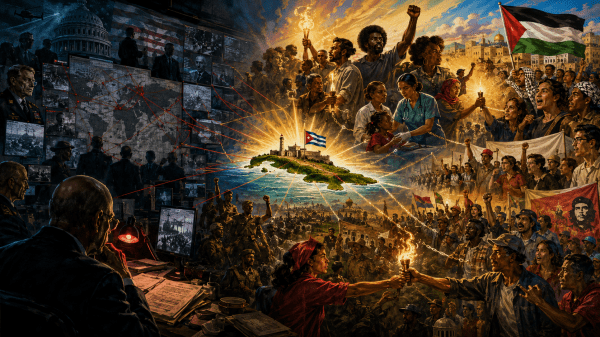
The Associated Press's portrayal of Cuba's economic reforms as an admission of socialism's failure belies the truth: these changes emerge from a relentless siege engineered by U.S. imperialism. While Cuba navigates fuel shortages and food insecurity, it confronts an economic warfare strategy designed to instigate hunger and political capitulation. The AP article obscures the genuine reform efforts by presenting them as a retreat from ideology, framing Washington as a reasonable negotiator rather than an aggressive adversary. Cuba's struggle isn't merely to reform; it's a fierce fight for sovereignty against an oppressive narrative that seeks to suffocate its revolutionary spirit.

Marx in the Witness Box: How Jacobin Turns a Chinese Worker’s Wounds Against the Revolution

Jacobin's critique of Chinese worker Xiao Hai's memoir misrepresents the entire Chinese Revolution as a failed experiment based on exploitation. While Xiao Hai's story merits recognition, the narrative frames the factory's plight as representative of the whole nation, ignoring China's transformation from a colonial past into a sovereign socialist state. The real conflict lies not between the state and its workers, but rather over how the fruits of development serve the people's dignity versus capital's control. Exploitation exists, but it's the state that counters this with public power, proving not every wound validates Western perspectives of failure. Thus, the critique deflects from recognizing China's unique developmental trajectory amid global capitalism's inequities.

Website Powered by WordPress.com.

Up ↑