Workers of the New World: BRICS+, Platform Capital, and the Class Struggle Inside Multipolarity

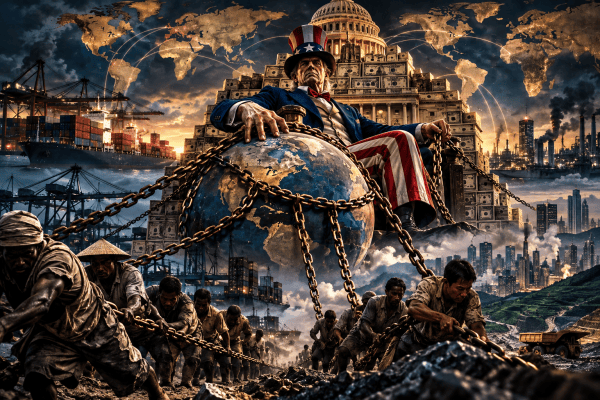
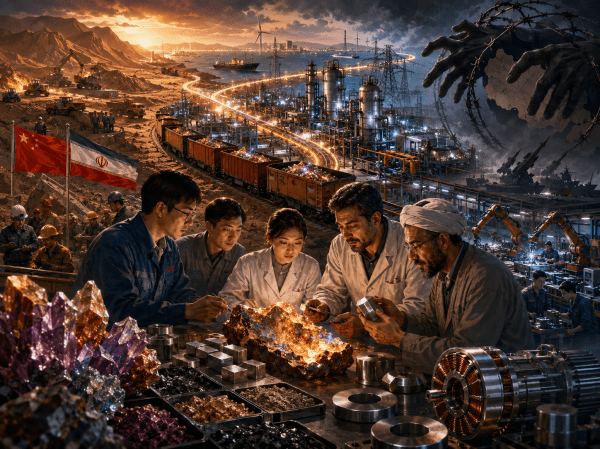
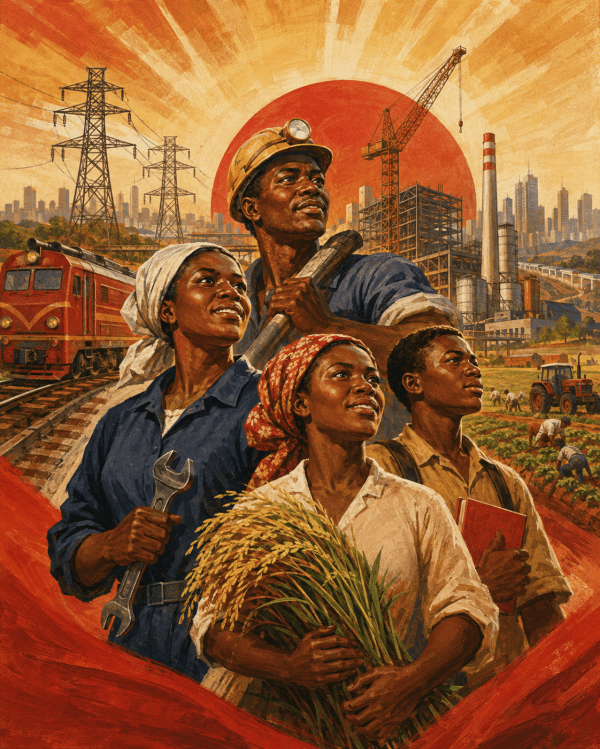
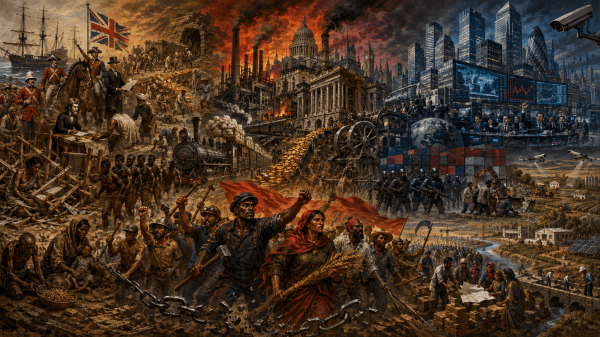
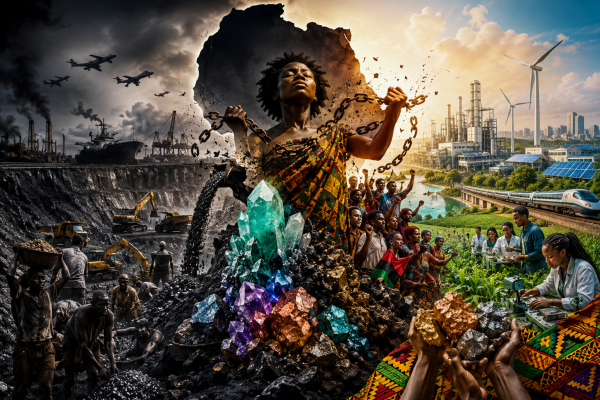
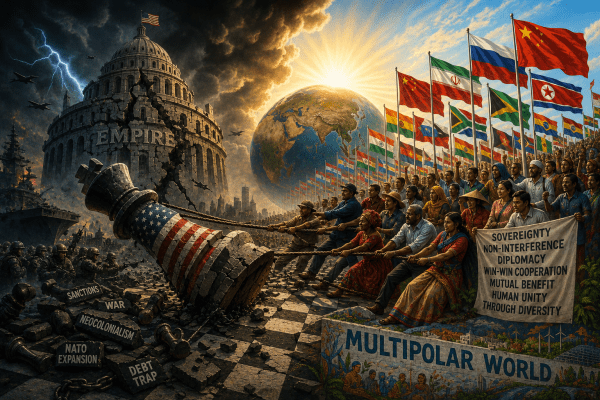
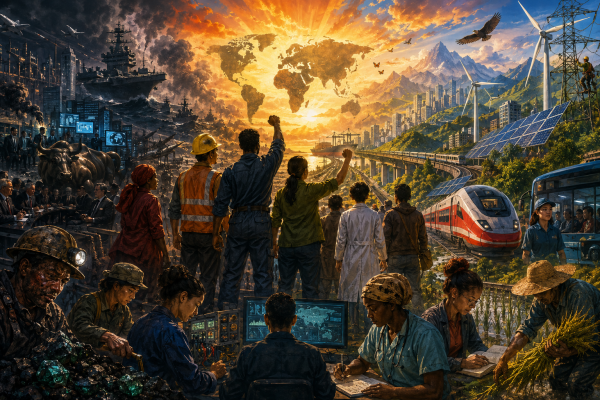
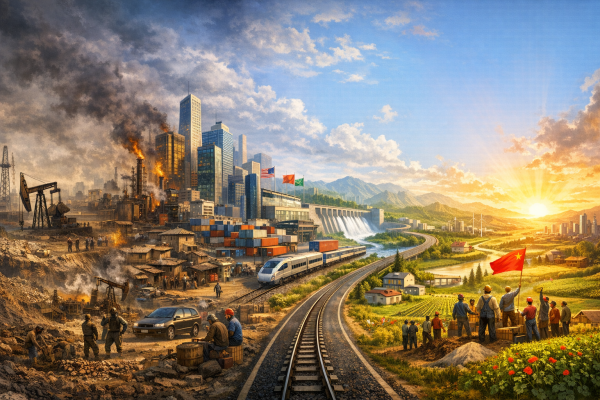
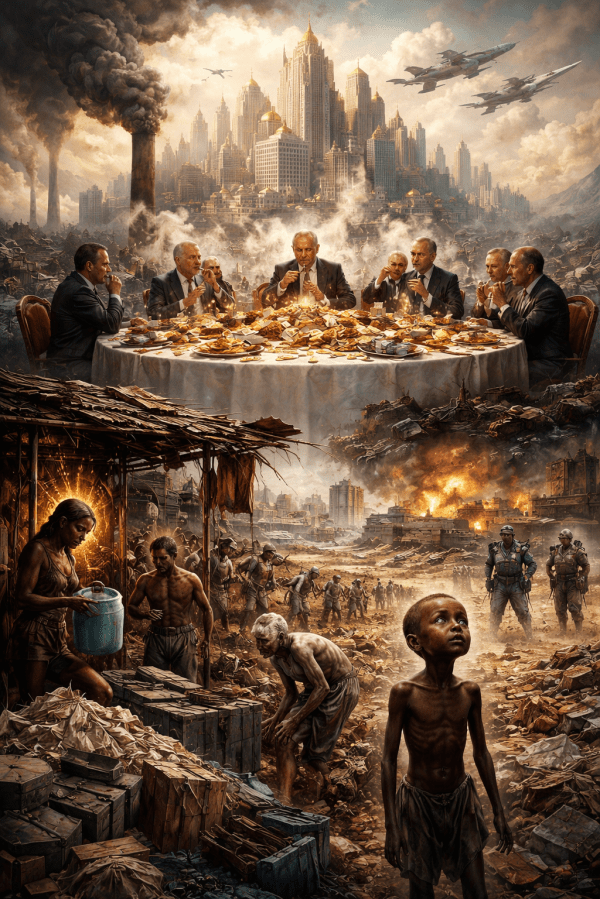
The Atlantic neoliberal order is disintegrating, revealing the ravages inflicted on workers and the environment by a relentless pursuit of profit. As BRICS+ nations seek to reclaim industrial sovereignty and labor rights, they face a chaotic multipolar reality where exploitation continues under different guises. Amid profound instability, the laboring class must transition from mere instruments of production to conscious political actors capable of reshaping development. This moment offers a critical opportunity: to reclaim the narrative and construct a world centered on human dignity and ecological balance. The question now is whether history will be rewritten by workers or remain dominated by elites.

From Imperial Plunder to Socialist Possibility: Capitalism, Dependency, and the Road to Sovereign Development

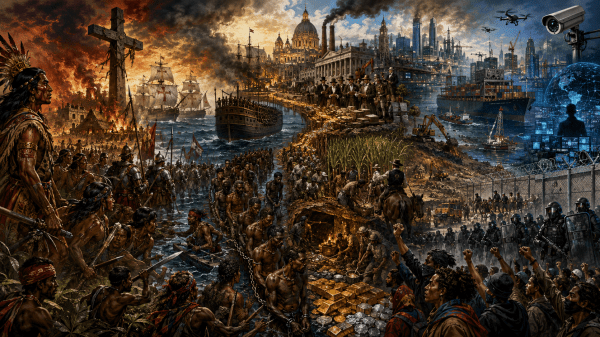
Development is not a neutral path but a historical process forged through conquest, extraction, and domination. Underdevelopment is not a failure to advance, but the condition produced by integration into a world system structured by imperial power. As the crisis of global capitalism deepens and the space for sovereign maneuver widens yet destabilizes, nations are... Continue Reading →

Growth Without Development: How Capitalism Produces Abundance, Manufactures Poverty, and Calls It Progress

In The Political Economy of Growth, Paul A. Baran dismantles the myth that growth is neutral or benevolent, exposing it as a class project rooted in surplus extraction and imperial power. He shows how monopoly capitalism turns productivity into waste and development into stagnation, both at home and across the colonized world. Against liberal economics... Continue Reading →

History as Weapon: Walter Rodney and the Discipline of Revolutionary Marxism

A Weaponized Intellects reconstruction of A History of the Guyanese Working People, 1881–1905 that treats Rodney’s most mature historical materialist work not as scholarship for contemplation, but as theory forged for organization, struggle, and socialist revolution. By Prince Kapone | Weaponized Information | Weaponized Intellects Book Review | January 23, 2026A Book Written to Be... Continue Reading →

Reparations, Resistance, and the Ledger of Empire: Excavating the Guardian’s Colonial Amnesia

A Weaponized Propaganda Excavation of How Corporate Media Sanitizes Colonial Crimes, Buries Trillions in Stolen Wealth, and Obscures Africa’s Renewed Fight for Justice and Sovereignty By Prince Kapone | Weaponized Information | December 1, 2025 How the Guardian Turns Colonial Crimes into a “Debate” About Recognition The piece we’re excavating, “African leaders push for recognition... Continue Reading →

The Empire That Eats Itself: Trump 2.0, Labor Recalibration, and the Internalization of Imperial Parasitism

How the U.S. ruling class seeks to preserve global dominance by turning the colonial order inward — through tariffs, deportations, and the domestic replication of global-South conditions. By Prince Kapone | Weaponized Information | 2025 Consumption as the Mirror of Empire They say the American economy runs on the consumer—that the heartbeat of its strength... Continue Reading →

Reparations or Nothing: Penny Hess and the Death of Western Marxism

Weaponized Intellects Review of Overturning the Culture of ViolenceBy Prince Kapone | Weaponized Information | September 21, 2025Turning the World Right Side UpPenny Hess’s Overturning the Culture of Violence does not mince words—it announces from the opening lines that neutrality is treason. Hess follows the leadership of Omali Yeshitela and the African People’s Socialist Party,... Continue Reading →

Hold the Line: Listen Hard, Rectify Fast, Stay Red

Weaponized Statecraft Series | Mao at Lushan, 1959 In the storm of the Great Leap’s setbacks, Mao did not fold—he listened. At Lushan he turned mistakes into lessons, errors into curriculum, and criticism into a method of survival. He named two illnesses—touchiness and wavering—and prescribed two remedies: endurance and rectification. He defended the communes, corrected... Continue Reading →

Website Powered by WordPress.com.

Up ↑