The Blockade’s Market Miracle: How Washington Starves Cuba, Then Calls the Hunger Socialism
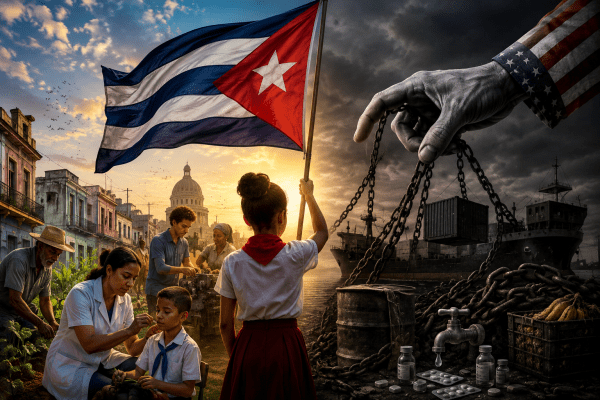
CBS/AFP’s portrayal of Cuba’s recent economic reforms is less about facts and more about constructing a narrative that favors imperialism. Framing these reforms as desperate "free-market" concessions, the article ignores the U.S. blockade's true role in choking Cuba's economy while painting socialism as a failed ideology. This reporting reduces complex realities into a morality tale that absolves the U.S. of accountability, instead distilling Cuba's struggles into proof of its socialist inadequacy. Ultimately, the real story is one of resilience: a nation striving for autonomy amid relentless imperial domination, desperately attempting to balance limited market adaptations without surrendering sovereignty.

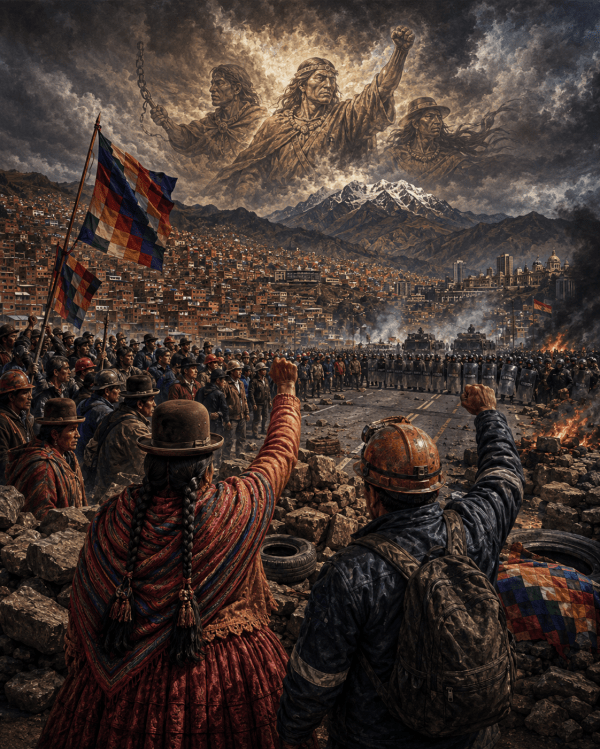
The Roads Remember Túpac Amaru: Jacobin Calls Popular Power a Vacuum

Bolivia is experiencing a seismic shift, as the indigenous and working-class masses rise against a government they see as complicit with imperial interests and corporate power. Jacobin's portrayal of this struggle as chaotic “political vacuum” fails to grasp the reality: the people are not absent from politics; they are reclaiming agency. While the ruling class laments blocked roads and instability, they ignore the genuine political force being forged by those occupying them—workers, campesinos, and indigenous communities asserting power where previously silenced. The barricades are not just obstacles; they symbolize resistance against commodification and repression, signaling a reawakening of history in the fight for sovereignty and justice.

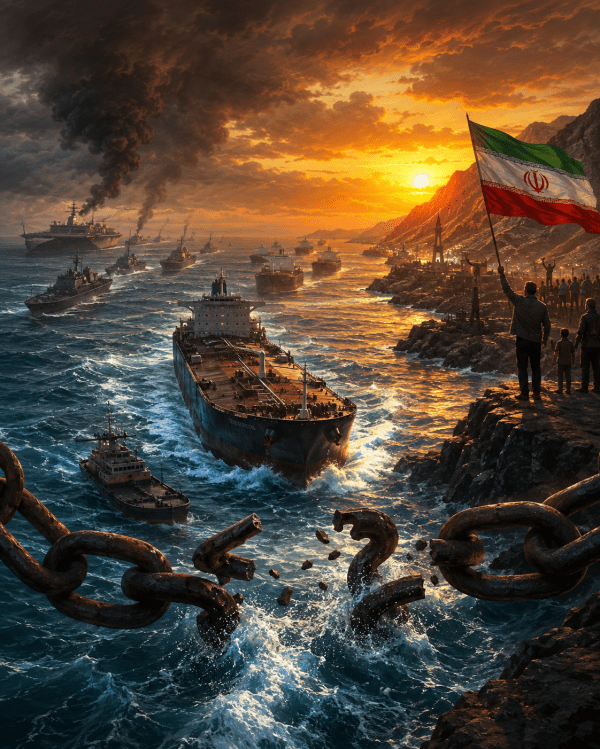
The Empire Signed Iran’s Terms: How Trump Rebranded Defeat as Victory

The Politico narrative transforms Trump's announcement of a U.S.-Iran peace deal into a self-aggrandizing spectacle, obscuring Iran's pivotal role and demands within a fourteen-point memorandum that Washington reluctantly conceded. This agreement signifies a profound U.S. failure to achieve its war aims, as it articulates a retreat framed as victory. The piece highlights how America’s empire is still threatening, renegotiating the terms, and imposing conditions, while Iran emerges fortified. Workers and activists must mobilize to hold Washington accountable, ensuring this retreat doesn't morph into renewed aggression. The reality is stark: the U.S. sought to dominate Iran but ended up conceding to its terms.

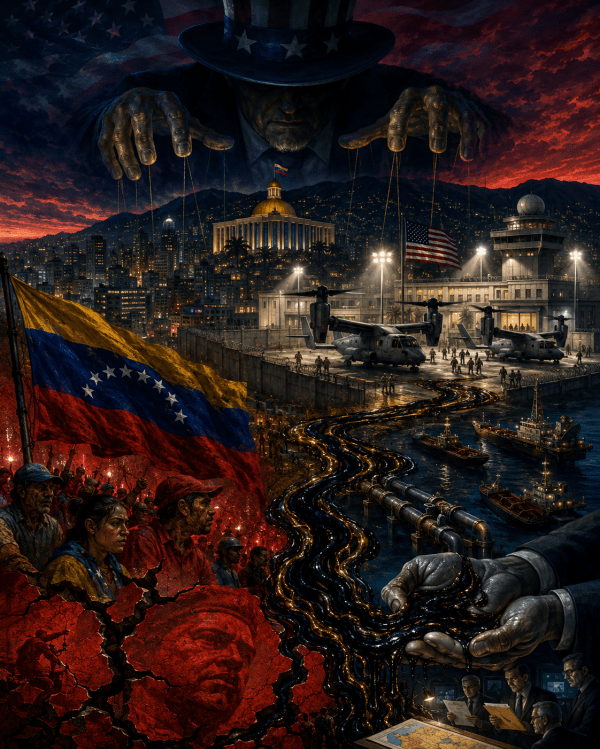
The Embassy Government: How AP Turns Venezuela’s Capture Into a Chavista Crack-Up

The Associated Press spins Venezuela’s crisis as a mere internal drama of political division, subtly masking the U.S. military’s pivotal role in toppling Maduro. Behind the façade of Chavismo's weakening loyalties lies imperial coercion—an acting government subservient to Washington. The narrative portrays disarray but downplays U.S. oversight of oil sales and military drills, normalizing foreign occupation while disguising it as internal strife. By framing this as a crisis of governance, the AP shifts attention from the imperial machinery at work, thereby sidestepping critical questions of sovereignty and resistance. The real story is not betrayal; it's exploitation under the guise of reform.

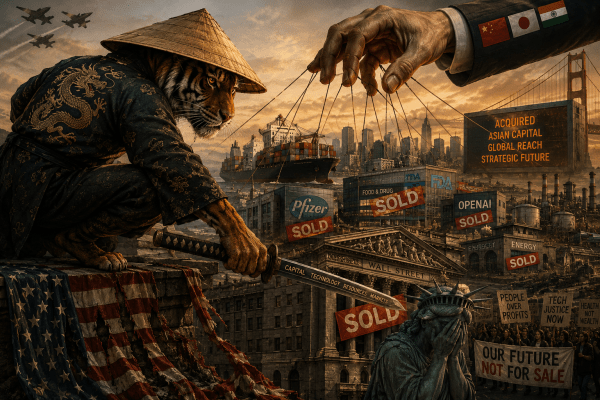
Crouching Tiger, Hidden Shareholder: The Empire Goes on the Auction Block

What if the façade of Asian firms acquiring American assets is merely a veneer masking a broader crisis of imperial power? The Asia Times' portrayal presents a triumphant narrative of capital flows, yet ignores the brutal realities behind ownership transitions. As firms like Sun Pharma and Mitsubishi grasp at American infrastructure, the underlying forces of deindustrialization, labor exploitation, and geopolitical tensions are left unexamined. This isn't progress—it's a manipulation of perception. The real question remains: who controls these vital resources? Without a radical reimagining of ownership, the future remains shackled to elite interests, while workers are forced to celebrate their own dispossession.

RED MACHINES, BLACK MIRRORS: AI, EMPIRE, AND THE NEW LONG MARCH AGAINST CAPITALISM

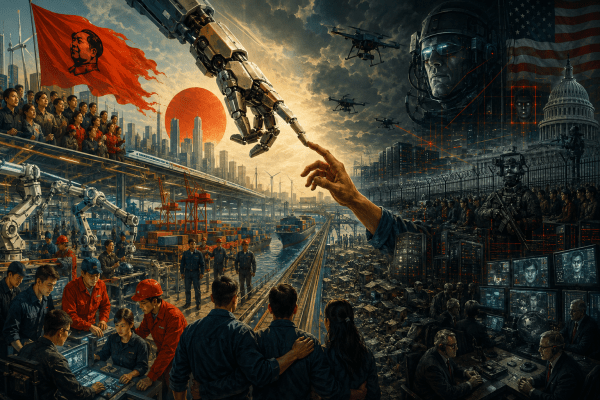
China's transformation from a mere assembly line to a powerhouse of intelligent manufacturing signals a seismic shift that threatens to dismantle the Atlantic monopoly on industrial command. As the U.S. responds with sanctions and technological blockades, the real battle unfolds over who controls the future of AI and automation. This is not merely an economic transition; it's a clash of ideologies. The West fears a new geopolitical order where technological sovereignty empowers the Global South, undermining imperial hierarchy. While intelligent manufacturing holds the potential for collective liberation, unchallenged monopoly control risks deepening exploitation. The future demands that humanity wrests command from corporate hands, reshaping technology for collective progress.

Empire in Denial: The Telegraph, the New Cold War Against China, and the Crisis of Unipolar Power

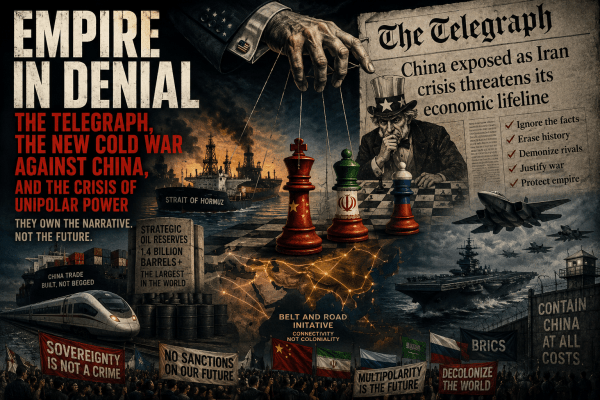
The Telegraph's portrayal of China as a weakening power is nothing more than imperial propaganda, designed to comfort an anxious Western audience. Underneath such narratives lies a complex reality where the U.S. struggles to maintain its grip on a transforming world order fraught with geopolitical tensions. China’s economic performance, rather than signalling decline, reveals strategic resilience amidst U.S. encirclement. The article strategically omits critical historical context and nuances of international relations, twisting narratives to fit a moral superiority that inaccurately paints adversaries as threats. What emerges is not China's downfall but an empire grappling with its loss of unchallenged authority in a rapidly evolving global landscape.

The Devil’s Republic: Illuminati Panic and the Hidden Architecture of American Repression

The American ruling elite has a long history of morphing political dissent into a narrative of demonic threat, consolidating their power through fear tactics akin to those seen during the Illuminati panic of the 18th century. This episode illuminated how conspiracy theories, fueled by elite anxieties, have criminalized immigrants and suppressed dissent. The manipulation of societal fears allows the state to transform opposition into an existential threat, justifying repression and surveillance. Today's conspiracism, though often dismissed as irrational, reveals a deeper urgency: a misdirected anger at real systemic injustices commodified into scapegoating narratives, obscuring the true architecture of capitalist power while paralyzing collective political action.

Code and Conquest: The Technological Republic and the Blueprint for a New Imperial Order

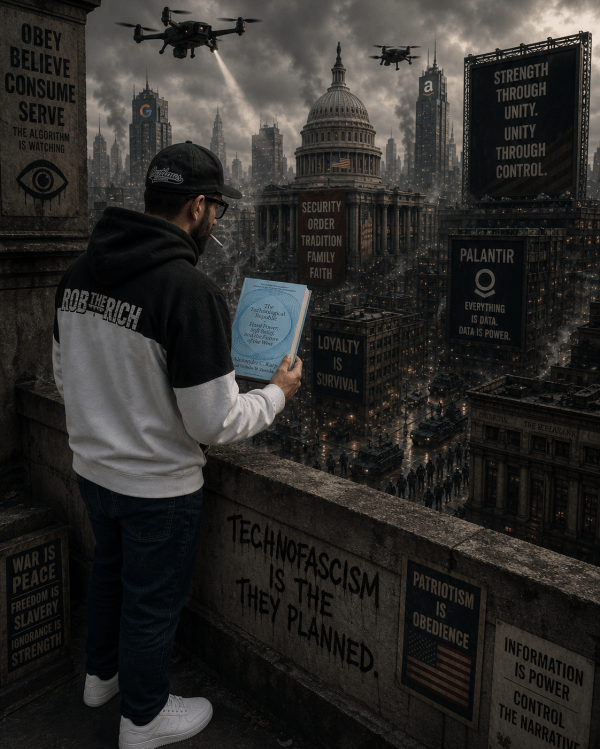
In Weaponized Intellects' scathing review of The Technological Republic, Karp and Zamiska unveil a chilling trajectory where Silicon Valley's crisis morphs into a blueprint for imperial tech dominance. They argue for an alliance between state power and engineering prowess to reinforce U.S. supremacy, shedding liberalism in favor of militaristic ingenuity. What transpires is a dissection of consumer capitalism’s futility, advocating for weaponized AI to restore glory. This critique masquerades as patriotic duty while advocating technofascism—a seamless marriage of capital and state. In rejecting this, the revolution must neither accept imperial myths nor a hollow liberalism, but fight for a world where tech serves humanity, not dominance.

Empire at the Doorstep: How the Narco War Becomes a License to Penetrate Sovereignty

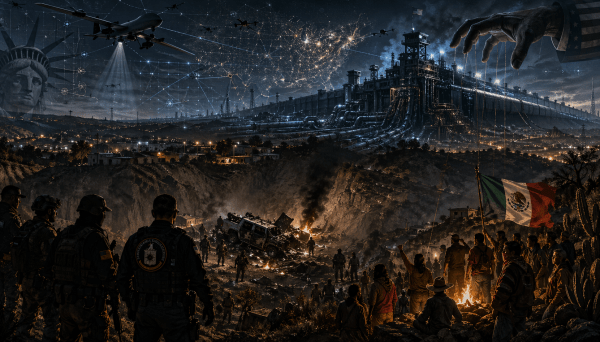
What appears as a tragic incident in Chihuahua is exposed as a carefully managed narrative that obscures the presence of foreign power operating inside Mexico. The factual record reveals a dense security architecture where intelligence, surveillance, and training pipelines blur the line between cooperation and control. Stripped of illusion, the episode reflects a deeper contradiction... Continue Reading →

Website Powered by WordPress.com.

Up ↑