The Guardian’s Missing Clause: How Imperial Elections Became “Democracy” in Nicaragua
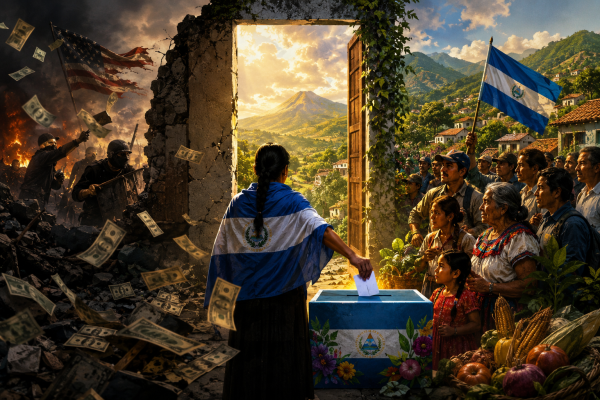
Daniel Ortega’s recent announcement that Nicaragua will cease future elections is portrayed by The Guardian as a blatant rejection of democracy, conveniently ignoring the historical context of imperial influences shaping Nicaraguan electoral politics. The claim that opposition parties are the embodiment of democracy is a façade; previous elections were tainted by U.S. interference, corporate financing, and foreign-imposed sanctions. Ortega's call to defend the Sandinista Revolution against imperial restoration isn’t about tyranny; it’s about reclaiming sovereignty from an electoral process manipulated by outside forces. Instead of clinging to an imperial framework, this moment presents an opportunity for Nicaragua to build a democracy rooted in popular power and authentic participation.

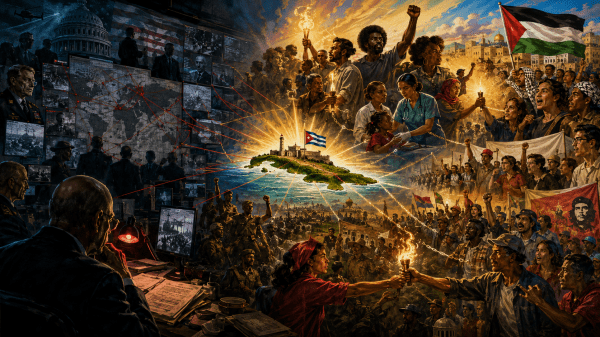
The Empire Calls Resistance Subversion: Cuba and Washington’s War on Revolutionary Consciousness

The State Department's report conflates documented espionage with a sweeping indictment of social movements, branding students, revolutionaries, and dissenters as part of a conspiracy orchestrated from Cuba. This narrative denies local struggles against oppression, instead framing resistance as a foreign-directed plot, thus erasing historical context and the material origins of dissent. The document's loose connection between Cuba's influence and contemporary activism serves as a McCarthyite tool against American dissent. By equating genuine political engagement with espionage, it aims to squash revolutionary consciousness and reinforce the status quo, revealing the empire's fear that the oppressed might unite and resist independently.

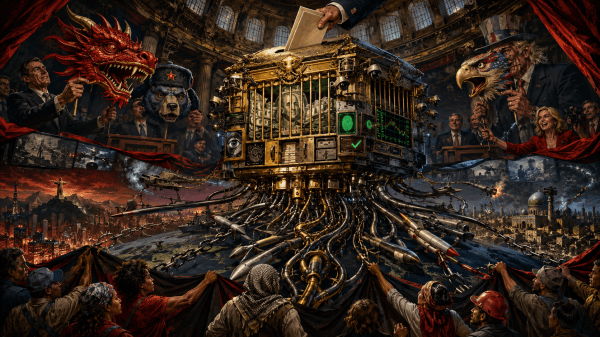
The Foreign Enemy Fraud: From Russiagate’s Thought Police to Chinagate’s Electoral Cage

David Corn's resurrection of Russiagate in response to Trump's accusations of Chinagate exposes the absurdity of electoral politics in a billionaire-dominated America. By framing the discourse as a conflict between foreign adversaries—Russia or China—Corn obscures the true culprits: a corrupt ruling class manipulating the political system to protect its interests. Both narratives serve to distract the populace from the reality of a plutocracy masquerading as democracy. The ongoing chaos is but a struggle within the elite, each side reinforcing the structures of oppression while preventing real power from reaching the working class. True resistance demands unity against this imperial façade.

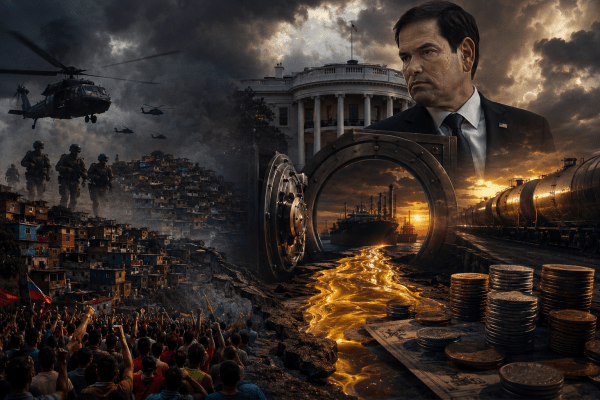
The Viceroy’s Ledger: How Washington Seized Venezuela’s Present and Mortgaged Its Future

The New York Times paints Marco Rubio as Venezuela's imperial viceroy, wielding control over its government through military force, financial manipulation, and a façade of diplomacy. This orchestrated colonial domination, disguised as governance, reveals a grotesque power dynamic where a nation’s sovereignty is traded for political tapestries spun by Washington. While Rubio's grip tightens, the real resistance lies among Venezuelans and anti-imperialist allies in the U.S. They must dismantle U.S.-imposed sanctions and return Venezuela’s wealth to its people. The struggle against colonial rule continues, as the masses can't be merely passive subjects in the rewriting of their national story.

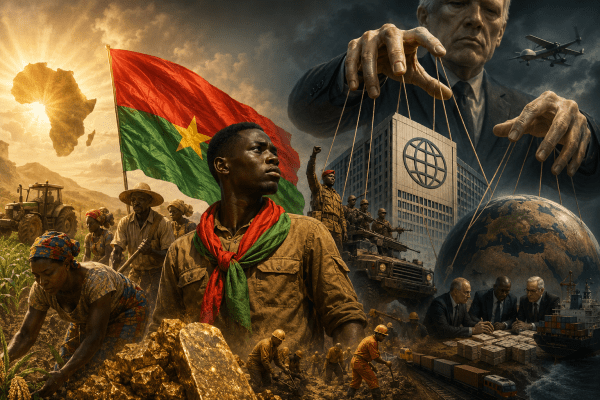
The Development Racket: How the World Bank Repackages Empire in Burkina Faso

The World Bank's report on Burkina Faso masquerades as a beacon of growth while burying the sinister realities of imperialism and neoliberal domination. Beneath the polished metrics of economic success lies a nation striving for food and resource sovereignty, grappling with the vestiges of colonial exploitation. This report, cloaked in the language of reform, manipulates narratives to maintain control, ignoring the voices of those truly affected. Burkina Faso’s fight against the systems that dictate their development is not a mere economic story; it's a battleground for sovereignty, pitting genuine progress against imperial interests that aim to manage rather than liberate.

The Hunger Chain: How Trump Feeds Capital and Disciplines the Hungry

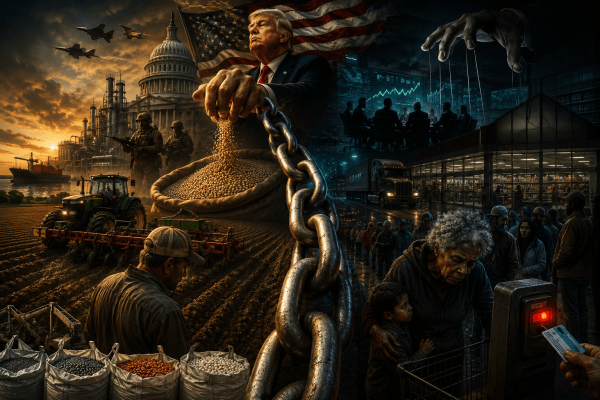
In a striking reveal, Fox celebrates Trump's fertilizer emergency as a boon for farmers, yet this facade obscures the underlying fragility of our food system reliant on state intervention. While fertilizer access gets prioritized, the true cost is hidden: a monopolized market where agribusiness thrives as workers face hunger, suspicion, and administrative punishment. Trump's regime twists food security into a mechanism for capital gain, revealing a stark disparity in state response; when profit is threatened, intervention is swift, but when workers struggle for sustenance, they face scrutiny. The urgent call is for food power—community sovereignty, mutual aid, and a radical rethinking of food as a right, not a commodity.

No Freedom Without Power: Machiavelli, Rome, and the Republic Built on Ruins

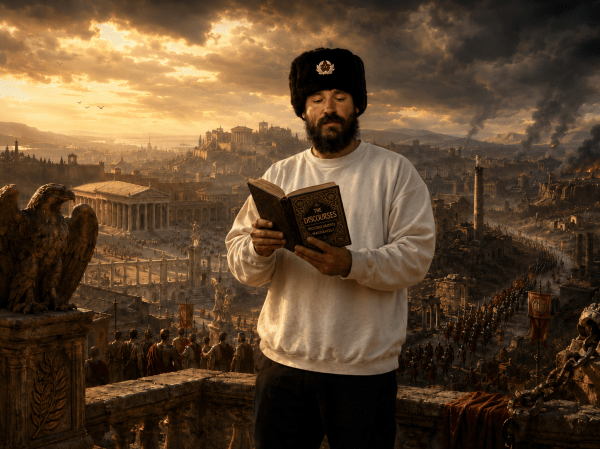
Machiavelli’s The Discourses is not a genteel treatise on republican ideals but a gritty how-to on wielding power from the depths of defeat. This work confronts the myth of liberal innocence, asserting that liberty arises not from consensus but through chaos, violence, and organized resistance against domination. Machiavelli's insights expose the harsh realities of historical conflict and the necessity of institutional discipline, emphasizing that true power is built on struggle, not sentiment. Yet, amidst its rich lessons, The Discourses reveals a troubling contradiction: the same republic that fosters internal liberty thrives through imperial conquest and exclusion. This duality beckons revolutionaries to seize its pragmatic lessons while rejecting its imperial legacy.

The Sky Is Not for Sale: Namibia, Starlink, and the New Colonial Scramble for Digital Sovereignty

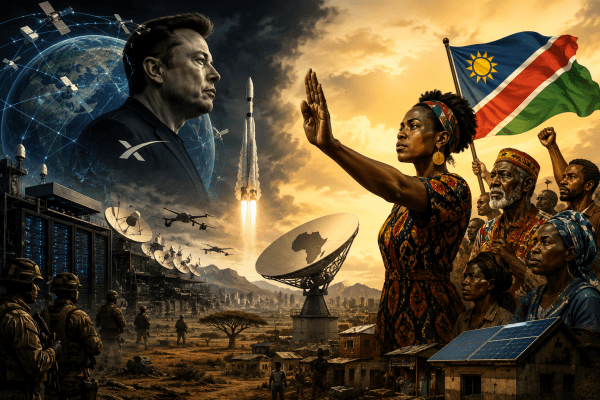
Elon Musk's Starlink faces a serious blow from Namibia as the nation's defense of local ownership laws clashes with corporate expansionism framed as progress. The business press conveniently portrays Namibia's regulations as hurdles to innovation, sidelining the crucial narrative of African sovereignty. This conflict is not merely about internet access but about resisting a new wave of digital colonialism preying on postcolonial nations' rights. As Namibia asserts its regulatory authority in telecommunications, the stakes rise: will Africa's digital future be owned by outsiders or harnessed for the continent's empowerment? The struggle embodies a fundamental question—who controls the gateways to communication and sovereignty?

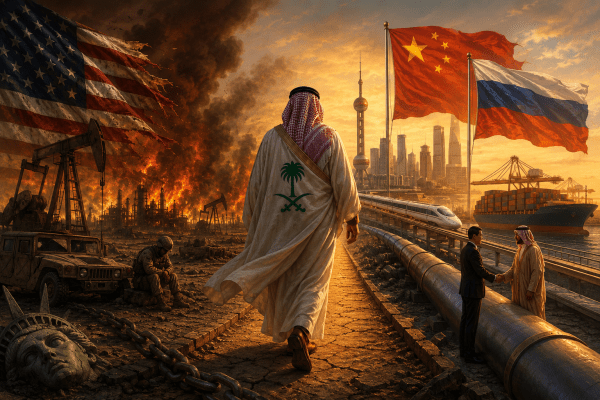
The Master Brings Fire: Why Saudi Arabia Is Looking East as the American Oil Order Burns

The narrative on Saudi Arabia's pivot to China disguises a deeper crisis in the U.S. imperial order. This is not a simple geopolitical romance; rather, it's a monarchy hedging its bets amid a shaky alliance once thought stable. With U.S. militarism fueling vulnerability in the Gulf, Riyadh seeks alternatives to the failing American security blanket, signaling an alarming shift. Yet, this recalibration is not liberation; it reveals the fragility of U.S. dominance as clients explore exits from a system that thrives on exploitation and chaos. As empires decay, the task is clear: galvanize working-class resistance against the war machinery that perpetuates this chaos.

Website Powered by WordPress.com.

Up ↑