The Shield Became the Target: Washington Moved the Battlefield Into the Gulf

The Gulf monarchies, once loyal to Washington's military dominance, are now scrambling for survival in a world where Iranian aggression opposes their established security framework. The ongoing war has exposed a perilous contradiction: the very American military infrastructure meant to protect the Gulf states has rendered them vulnerable to Iranian strikes. As the U.S. becomes a less reliable ally, these nations are cautiously seeking dialogue with Tehran, marking a seismic shift in regional politics. Their actions aren't a break from American influence but a pragmatic response to an urgent need for stability amidst rising tensions. The question remains—can they navigate this treacherous terrain without abandoning old alliances?

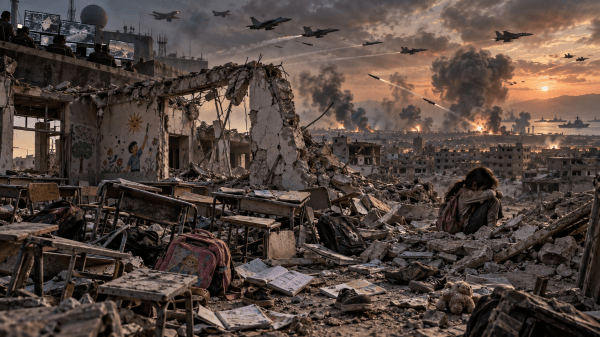
The School Was Put on Trial, the War Wasn’t: How Minab Became the Crime Scene While Washington’s Attack Became Background

A UN investigation found reasonable grounds to believe U.S. forces committed war crimes in Iran after a primary school in Minab was struck and more than 150 people were killed. But the massacre cannot be understood as an isolated targeting failure inside an otherwise neutral war. The U.S.-Israeli assault began while diplomacy was still active, unfolded through a campaign that publicly celebrated overwhelming force, and repeatedly carried destructive power into civilian space. Minab exposes the larger structure: a war of aggression fragmented into legal incidents, technical explanations and media frames that make the crime scene visible while the war that created it slips into the background.

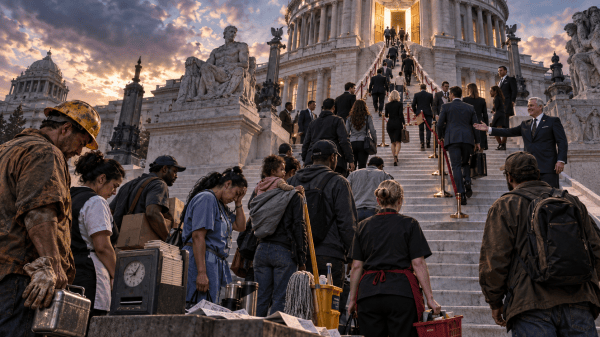
The Door Is Open, the Staircase Narrows: How Democracy Filters Out the Working Class

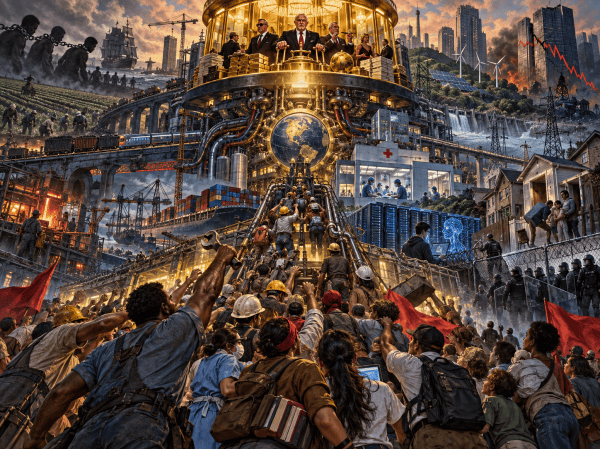
Bloomberg uncovered a brutal democratic fact: working people make up most of the labor force, yet barely appear in legislatures. This essay follows the worker beyond that statistic and shows how the disappearance happens—through inflexible work schedules, lost wages, primary elections, party recruitment, professional political careers, and repeated institutional filtering before voters ever reach the ballot. The problem isn’t that workers lack ambition or governing ability. It’s that formal political equality rests on a social order that distributes time, money, networks, and political experience by class. If workers are to enter politics in force, organization has to change who gets produced as a political leader.

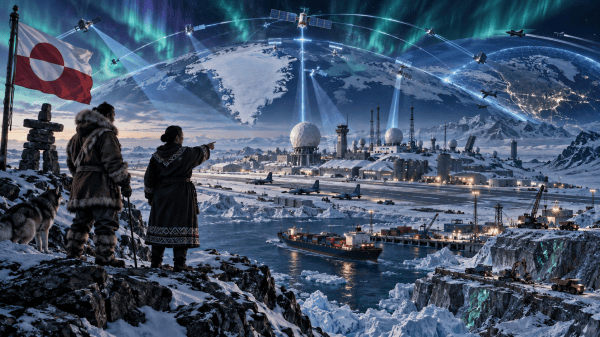
No Annexation Required: Greenland Gets a Seat Inside Washington’s Arctic Wall

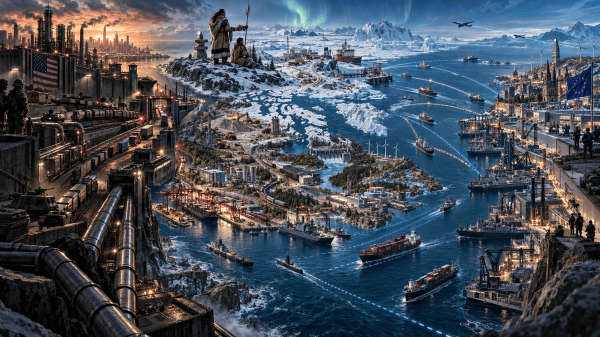
Forget the surface-level headlines; the Greenland agreement is a complex chess game, far beyond Trump's land-grab fantasies. The U.S. and Denmark superficially box Greenland into negotiations, overshadowing its own quest for agency and self-determination in the face of imperial maneuvering. As the Arctic transforms into a geopolitical battleground against rising powers like China and Russia, Greenland finds itself asserting its rights while navigating the treacherous waters of dependency. The true question isn't merely who controls the territory but whether Greenland can leverage its newfound strategic significance into genuine autonomy and prosperity over its resources, contracts, and future.

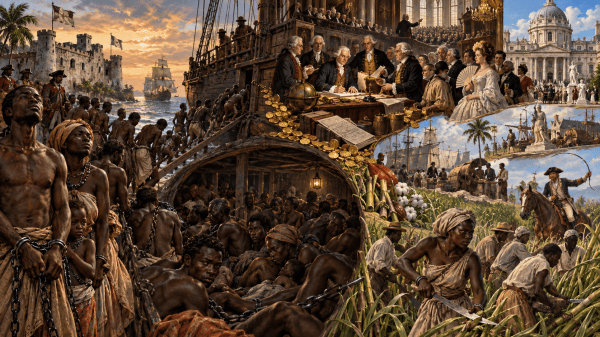
The Free Man and the Human Commodity: Britain’s Liberty Grew Inside a Slave Order

Britain’s slave trade wasn’t a barbaric side story to the rise of modern freedom. It was woven into the property system through which merchants, investors and institutions accumulated wealth while African captives were turned into human commodities. Parliament widened access to the trade, slave-linked fortunes entered industry, science and philanthropy, and abolition later compensated former owners while forcing the formerly enslaved through apprenticeship. The deeper contradiction wasn’t simply freedom versus slavery, but a society where the freedom of property holders could expand through the unfreedom of the owned. Today, reparations movements are reopening that buried ledger.

We Built an Orbital Nervous System: The War Machine Came to Command It

The U.S. military's recent admission of operating weapons in orbit isn’t the start of space militarization; it's merely the public unveiling of a long-established reality. Decades of geopolitical maneuvering and failed arms control have woven military functions into the very fabric of space infrastructure crucial for global communication and navigation. As rival nations develop counterspace systems, the stakes intensify: who governs this vital domain, humanity’s common resource or a battleground for military supremacy? The struggle becomes whether orbit will serve human needs or become a theater for power contests, with civilian and military dependencies intricately intertwined, compounding the urgency of this cosmic dilemma.

The Empire Built the Exit: Canada, Europe, and the Roads Around Fortress America

The New York Times' report on Canada's potential "associate membership" in the EU presents a simplistic narrative of geopolitical shifts. Yet, the truth is far more complex and gritty. Canada and Europe have long cultivated ties in defense and industry, reacting to escalating U.S. pressures that threaten their autonomy. As Washington tightens its grip, Canada seeks alternatives—not merely new collaborators but also a platform to reclaim control over its resources and industrial capabilities. The relationship is riddled with contradictions, as Indigenous rights and labor demands challenge who truly holds power in this emerging landscape. The gears of change are in motion, but the question lingers: who will govern this uncharted territory?

The Rear Grew Teeth: Europe Rearms the Empire and Builds the Means to Defy It

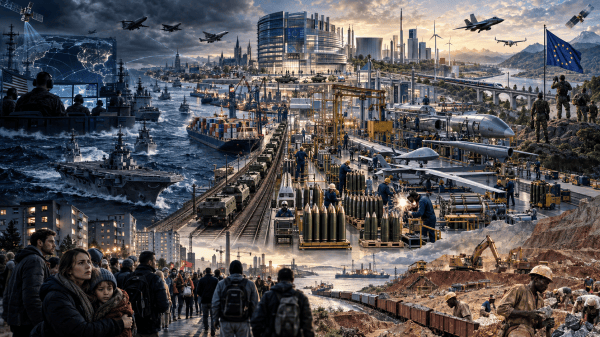
Europe stands at a crossroads, teetering between aspiration and disillusionment. While citizens envision a unified continent brimming with strength, their faith in existing structures crumbles under the weight of slow responses and dependency on America. With rising defense spending and manufacturing capacities, the stakes are high: will this newfound power serve the elite monopolies or empower the working class? The far-right feeds on feelings of decline, masking deeper questions about control and ownership. The real issue isn't a lack of imagination but the dire need for command: who controls Europe’s burgeoning power? The fight for true sovereignty—socially and politically—has only just begun.

Peggy Noonan Calls Capitalism Organic: The Wall Street Journal Buries the Violence That Built It

Peggy Noonan's alarm over socialism's surge reveals her flawed analysis: she blames the consciousness of the wounded instead of capitalism, which thrives on historical injustices like dispossession and slavery. As the capitalist structure crumbles under its contradictions—where collective production is shackled by private ownership—Noonan dismisses the urgency of socialism, painting it as a radical force aimed at destruction. Yet, socialism is rising not from whimsical ideology but out of necessity, as younger generations face economic precarity and disillusionment. The question isn’t whether capitalism is natural or just; it’s who truly controls the wealth and future built by the collective.

Convenience Inherited an Empire: Africa Puts the World Map on Trial

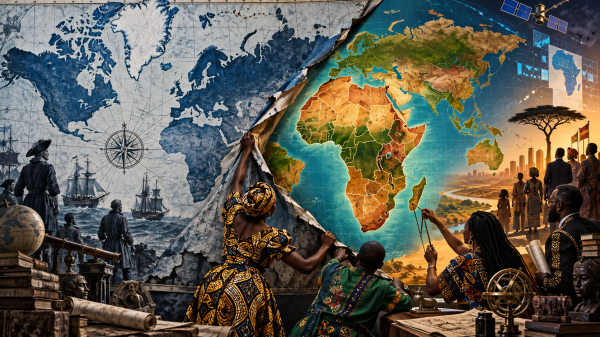
Mercator’s projection began as a useful tool for sailors, not a colonial conspiracy. But publishers, schools, governments, and later digital platforms carried its distorted view of continental scale far beyond navigation, turning a technical choice into inherited common sense. This essay traces how colonial cartography made geographic knowledge part of territorial command, how Web Mercator gave the old projection a new technological life, and how African political organization transformed the issue into a struggle over narrative sovereignty. The UN vote to “correct the map” matters—but a fairer image of Africa is only one front in the larger fight over who gets to define, produce, and control global knowledge.

Website Powered by WordPress.com.

Up ↑