The Flag Is Sovereign, the Account Isn’t: UNGA 81 and the Power Beneath the Podium
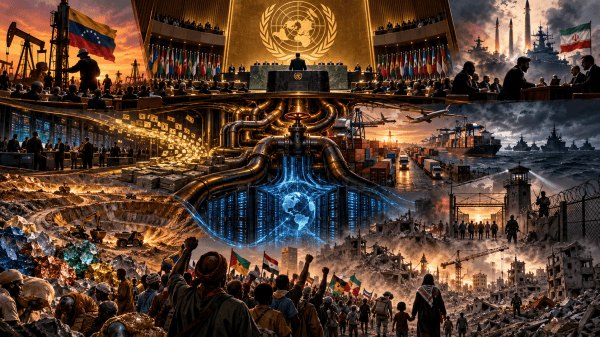
UNGA 81 looked like a week of separate crises: Palestine, Iran, Venezuela, artificial intelligence and China. Beneath the speeches, however, each exposed the same unfinished contradiction between formal sovereignty and the unequal material power needed to make sovereignty real. Gaza’s reconstruction, Venezuela’s oil revenues, Iran’s negotiations under coercion, and the Global South’s struggle for technological capacity all reveal how finance, property, military force and infrastructure shape what legal equality can actually deliver. The summit’s real story wasn’t only what leaders said from the podium, but who still controls the machinery that gives those words weight.

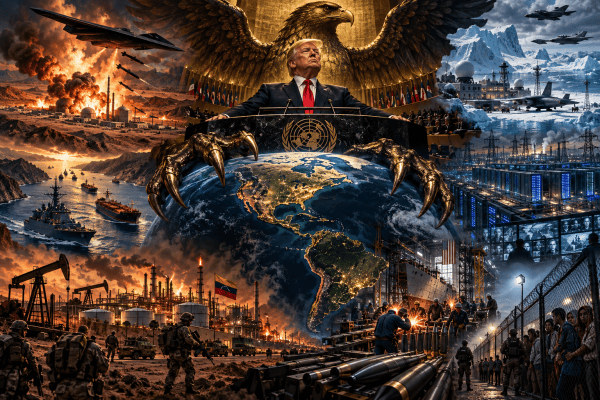
The Golden Age Needs a Gunboat: Trump’s UN Speech and the Rising Cost of American Command

Trump's United Nations address declares America’s resurgence, yet it reveals an empire grappling with an escalating need for military force and economic coercion to maintain supremacy. His speech elevates military spending, sanctions, and immigration enforcement as signs of strength while ignoring the underlying contradictions—an empire that once commanded effortlessly now relies heavily on intimidation. The reality is that the U.S. must work harder to enforce its will both abroad and domestically as competition grows and global power dynamics shift. Instead of showcasing dominance, Trump's rhetoric underscores a declining ability to produce consent, exposing the fragility of American imperialism. The mask of effortless domination is slipping.

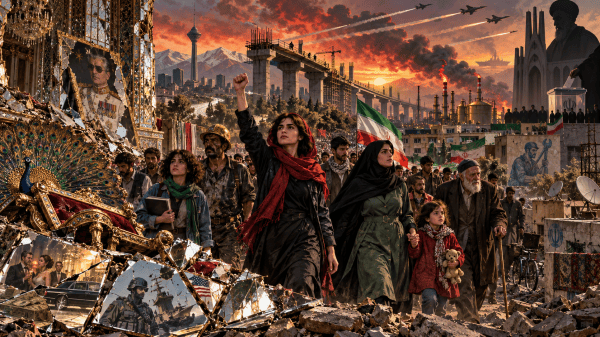
Iran Took Back Its History: The Revolution That Never Finished the Fight for Power

Robin Wright's "The Last Great Revolution" illustrates the paradox of the Iranian Revolution—a genuine transformation that sought to establish a sovereign state but left popular sovereignty incomplete. Wright captures Iran's tumultuous journey, showcasing revolutionary shifts in women’s rights, education, and national identity, yet she falls into the trap of imposing a Western liberal trajectory. The revolution is portrayed as a struggle—between religious and revolutionary authority—that still battles for legitimacy. Ultimately, rather than documenting a forgotten pathway to liberalism, Wright unveils a resilient revolutionary spirit combating imperial influences. This is not the story of a revolution retreating into the shadows, but one that persistently asserts its existence against predetermined narratives.

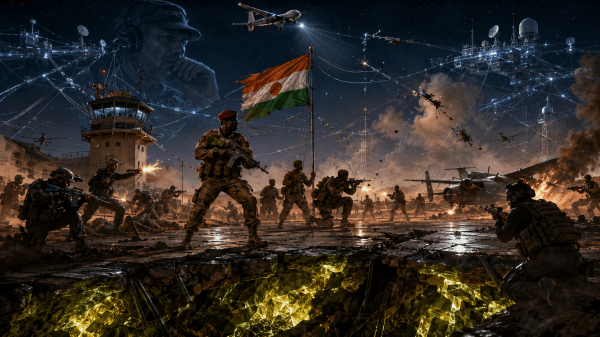
The Coup Didn’t Come From Nowhere: Niger, Base 101, and the Empire Inside the State

BBC framed Niger’s August 29 Base 101 uprising as a story about mutinous soldiers and a frightening weapons cache. The deeper record reveals something far more consequential: a fractured special-operations apparatus, credible evidence of Bazoum-linked and foreign contacts, an inherited Western security system, and a state still fighting to reclaim control over its military, uranium, and foreign relations. As France and the United States adapt to lost bases through smaller footprints, partner forces, and strategic networks, Niger is building alternative relationships through the AES, Russia, and Algeria. The coup didn’t come from nowhere—and neither did the empire trying to survive its retreat.

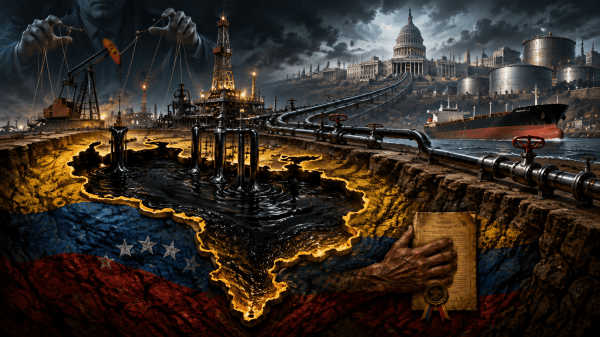
The Deed Stays in Caracas: How Washington Commands Oil It Doesn’t Own

Delcy Rodríguez's shocking pivot from anti-imperialist rhetoric to endorsing U.S. oil agreements is less a political betrayal and more an unveiling of Venezuela's fractured sovereignty. The narrative is explosive: as Washington tightens its grip, national ownership of oil assets becomes a hollow claim, with real power shifting to private capital and American influence. The illusion of control is shattered—Venezuelans are left to wrestle with a new reality where contracts dictate who profits from their resources. The stakes are high, as demands for transparency and public scrutiny grow louder; will the oil wealth truly benefit the people, or simply reinforce the power structures in play?

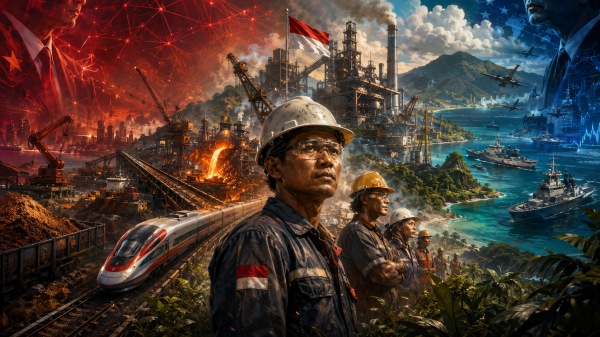
Sovereignty Built on Foreign Steel: Indonesia’s Industrial Rise and the Fight Over Who Commands It

Indonesia is ensnared in a web of foreign capital and corporate power, straddling the interests of Beijing and Washington while striving for autonomy. Its dependency on Chinese investment for industrial growth is creating complex struggles over resource control and worker rights. While the state seeks to regulate foreign involvement in its burgeoning industries, genuine sovereignty hinges on who truly reaps the benefits. Rhetoric about maintaining balance belies a troubling reality: as the nation builds industrial capacity, the power dynamics increasingly favor foreign interests, leaving local workers and communities grappling for their rightful share in this economic transformation.

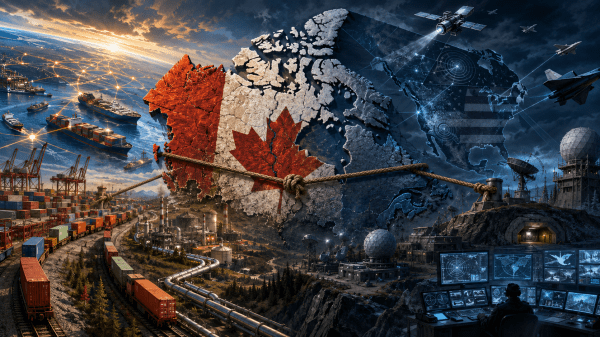
The Freight Is Moving, the Guns Aren’t: Canada Between Multipolar Markets and Atlantic Command

Canada’s century-old continental bargain with the United States built factories, pipelines, profits, and military integration into the same structure that Washington can now turn into leverage. Yet Canada was never merely an American dependency: its banks, mining firms, pension funds, and corporations grew into a secondary imperial power capable of exercising domination abroad even while... Continue Reading →

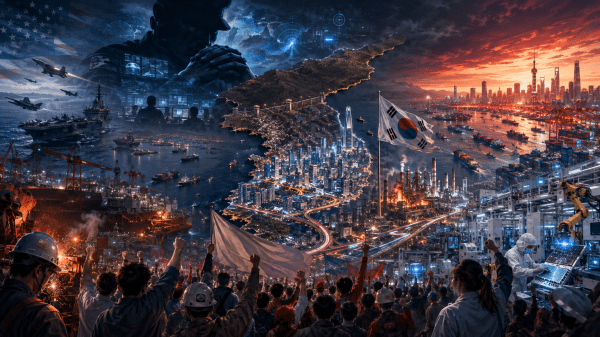
The Miracle Was Supposed to Take Orders: South Korea and the Contradiction of American Power

South Korea’s “miracle” didn’t fall from the fucking sky. It was built through war, U.S. occupation, anti-communist repression, Japanese capital, state-directed development, disciplined labor and a regional imperial order designed to make capitalism look victorious against socialism. But the contradiction is vicious: the same system built Korean industry strong enough to become indispensable, produced workers powerful enough to break dictatorship, and tied Korean accumulation into an Asian economy increasingly centered on China. Now Washington wants the miracle to keep taking orders—more weapons, more shipyards, more investment, more war preparation. The problem is South Korea ain’t the weak frontier state it used to be.

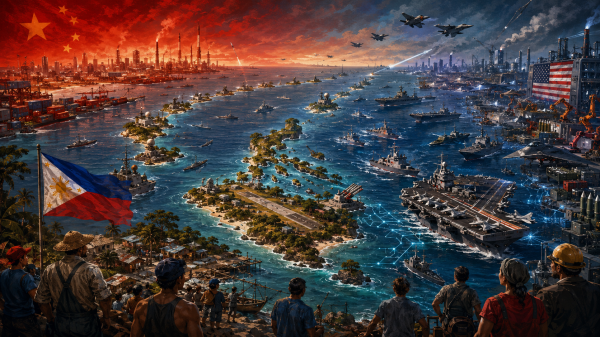
The Status Quo Has to Be Manufactured: America’s Pacific Primacy and the Rising Cost of Keeping It Alive

Elbridge Colby's assertion that America is the "apex predator" in military readiness disguises the troubling reality of dwindling U.S. military supremacy against a rising China. The narrative expertly choreographs U.S. responses to China's actions, framing Washington as a stabilizing force while ignoring the material consequences of its expansive military infrastructure and the burdens it places on allies like the Philippines. This contrived status quo sustains American dominance at an ever-increasing cost, presenting imperial ambitions as mere defense. The real struggle lies not in choosing a stronger predator, but in dismantling the systems that perpetuate this militarized hierarchy, exposing the true stakes of U.S. imperialism.

Website Powered by WordPress.com.

Up ↑