NATO’s Self-Fulfilling Prophecy; How Encirclement Forged the Russia–China Alliance

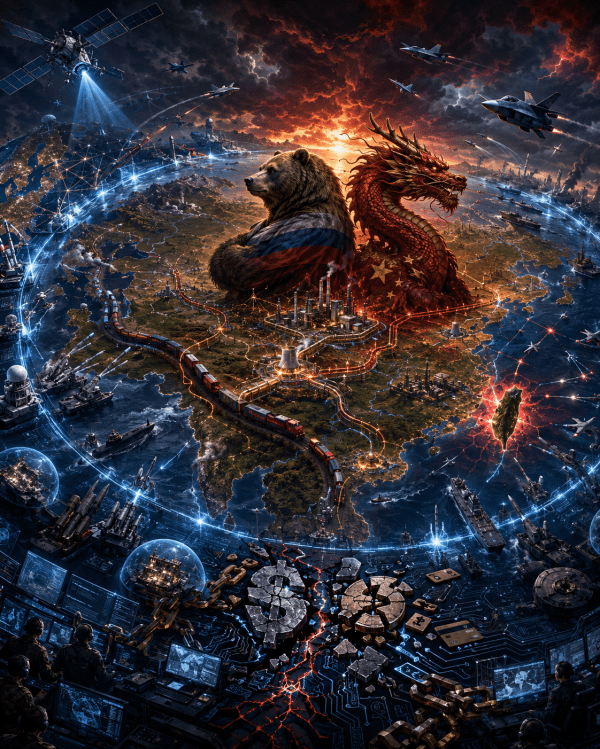
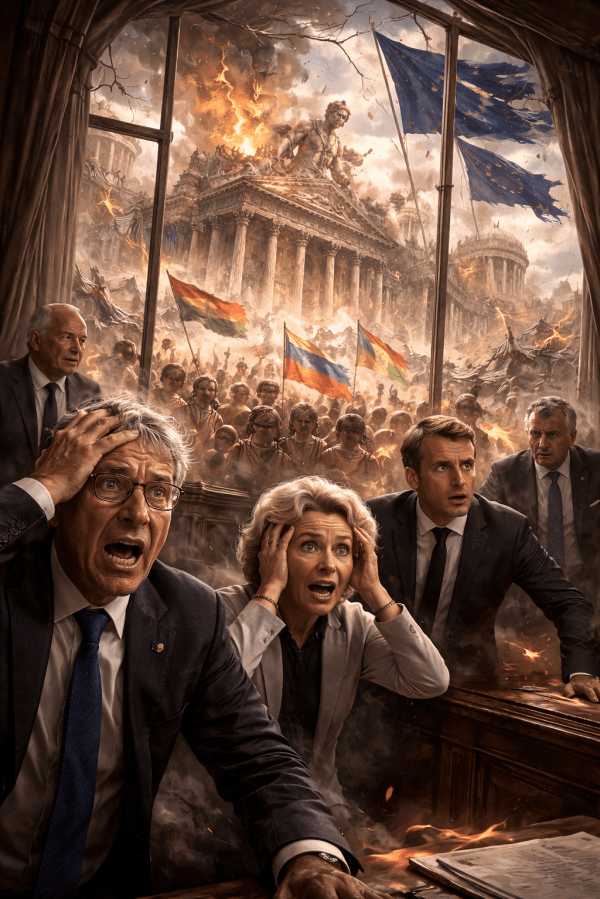
DER SPIEGEL's investigation into military cooperation between Russia and China is more than just a mere report; it's an embodiment of the West's narrative that casts these nations as the new "axis of evil." This framing is less about honesty and more about justifying aggressive military posturing and sanctions against perceived threats. The true danger lies not in an orientation towards war, but in an imperial system that, in its quest for domination, fuels the very alliances it fears. The article critiques this perspective, urging a grassroots movement to challenge militarism and push for a redirection of resources towards societal needs instead of war machinery.

The Palestine Exception: Why Washington Is Trying to Break the ICC

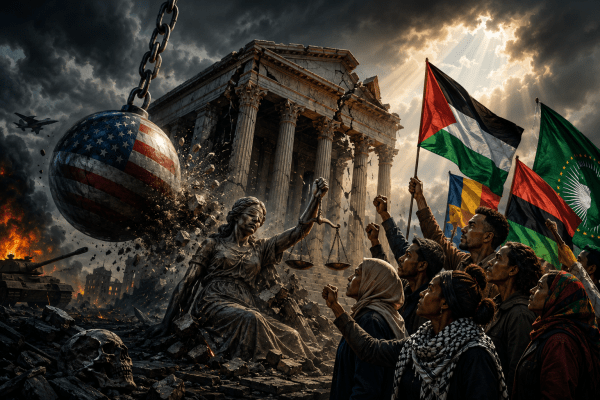
The Guardian's coverage of Marco Rubio's claim that the International Criminal Court (ICC) threatens U.S. sovereignty highlights the deeper issue of imperial exemption rather than genuine sovereignty. The U.S. has long opposed ICC jurisdiction that could implicate American or allied personnel, reacting strongly against Palestinian efforts to document crimes under occupation. The article critiques the liberal institutionalism of the response, noting a lack of representation for affected parties. It underscores that U.S. sanctions targeting Palestinian organizations and ICC officials are a means to maintain impunity. Oppressed nations seek accountability, using available legal systems to challenge the dominance of imperial powers and protect their sovereignty against external coercion.

The Empire Calls Its Bombs Peace: Xi’s Silence, North Korea’s Deterrent, and the Unfinished War Washington Refuses to End

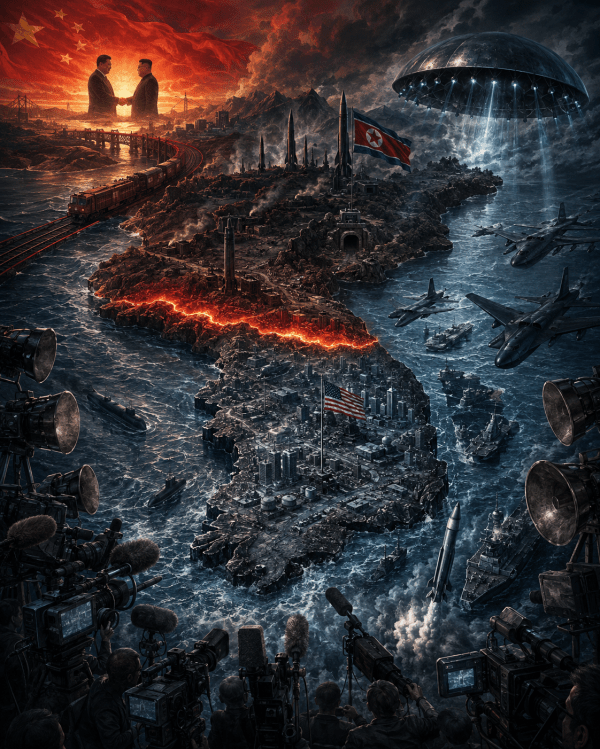
The Associated Press's portrayal of Xi Jinping's silence on North Korea's nuclear status obscures the underlying realities of imperial power dynamics. Instead of examining the broader context of the ongoing Korean War, the article sensationalizes rhetoric to favor U.S. perspectives, framing Xi as tacitly supporting Kim Jong Un. This selective narrative overlooks the long-standing military presence of the U.S., the unresolved conflict, and the historical injustices faced by North Korea. By fostering a culture of fear, the media perpetuates a skewed understanding of sovereignty and security, leaving out the pivotal truth: peace cannot stem from disarmament when historical grievances and military pressure remain intact.

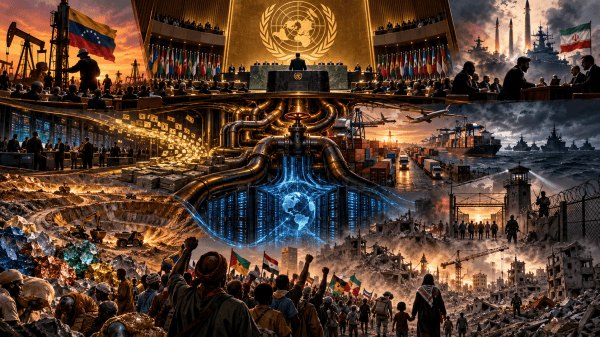
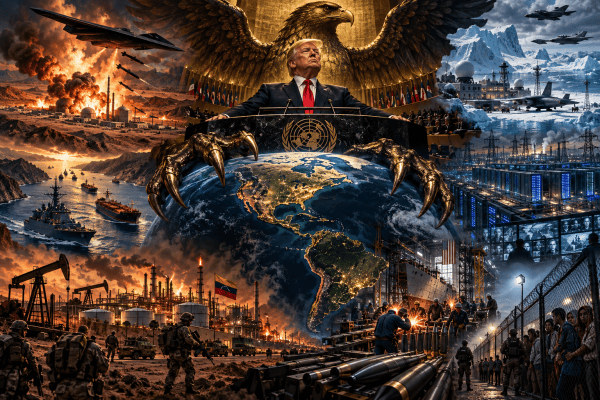
Fortress America and the Oil Ultimatum: Venezuela, Hyper-Imperialism, and the Open Consolidation of the American Pole

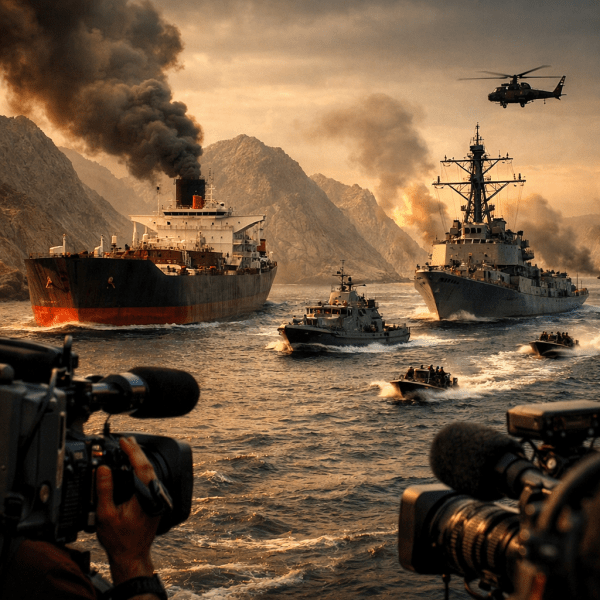
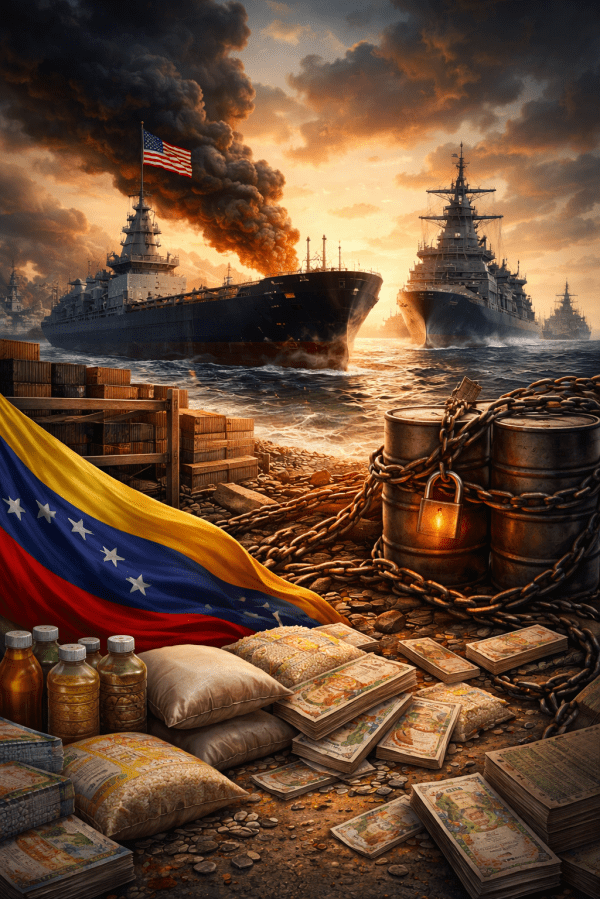
This essay argues that Trump 2.0 marks the open phase of U.S. hyper-imperialism, where coercion replaces consent and hemispheric dominance is enforced without disguise. Using Venezuela as the central case, it traces how leader abduction, naval encirclement, oil custodianship, and legal warfare form a consolidated strategy to subordinate sovereign states to the American Pole under... Continue Reading →

When Empire Weeps for the Law

The Guardian’s defense of “international legality” masks a deeper truth: the old legal order was never about justice, only the management of global inequality. Its collapse is not chaos—it is liberation struggling to be born. By Prince Kapone | Weaponized Information | November 12, 2025 The Law of Empire and the Empire of Law The... Continue Reading →

National Self-Defense in the Age of Multipolarity

From Libya’s Ruins to Venezuela’s Resolve — How the Global South Is Relearning the Art of SovereigntyBy Prince Kapone | Weaponized Information | October 2025The Return of Armed SovereigntyThe myth of a “rules-based international order” has finally collapsed under the weight of its own hypocrisy. For three decades, Washington and its junior partners cloaked naked... Continue Reading →

Website Powered by WordPress.com.

Up ↑