The War Built the Border: Sudan’s Partition Before the Ceasefire
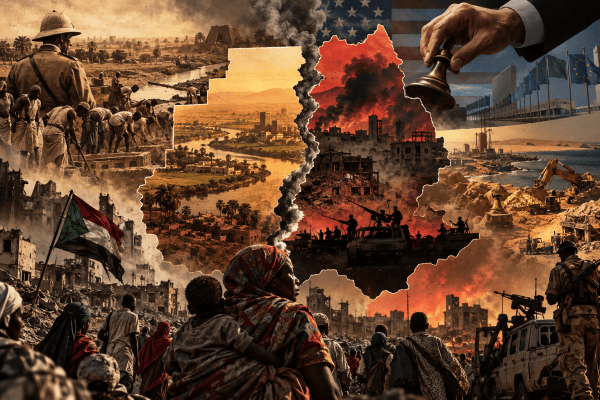
The War Built the Border: Sudan’s Partition Before the Ceasefire This essay argues that Sudan’s threatened partition didn’t begin with Washington’s latest ceasefire proposal. It traces the crisis through British colonial extraction, unequal development, Western creditor power, military accumulation, and the unfinished struggle opened by the December Revolution. As SAF and RSF turned on each other, war hardened front lines into rival economies, institutions, and systems of rule. The ceasefire therefore confronts a division already being built rather than creating it from nothing. Beneath the armies and foreign diplomacy, Sudanese civilian networks continue defending another basis for sovereignty rooted in the people who keep the country alive.
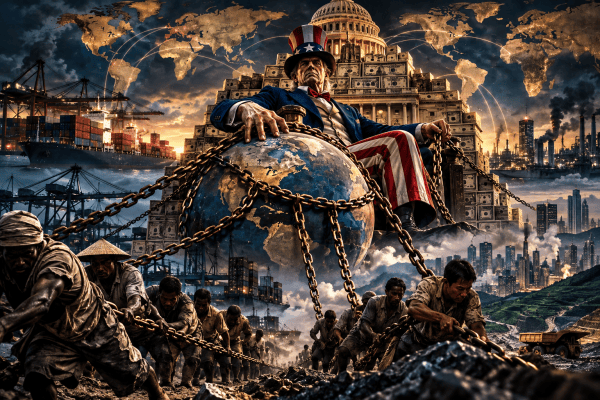
The Debtor Became the Banker: How America Learned to Rule the World by Owing It Money

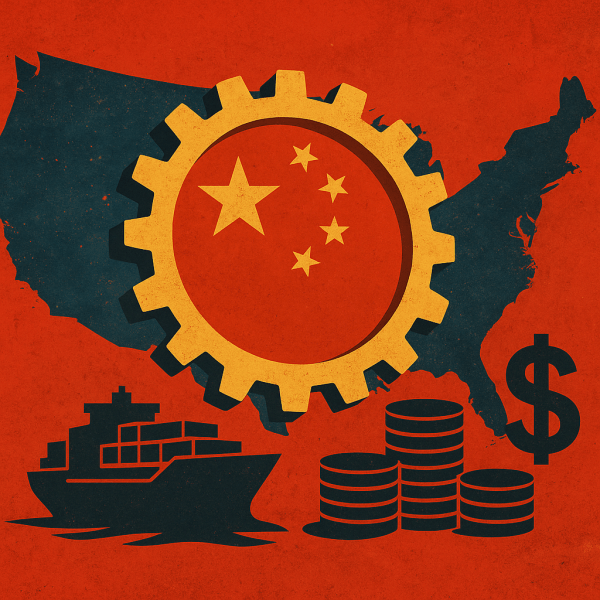
Michael Hudson's "Super Imperialism" reveals capitalism's peculiar twist: the U.S. transitioned from a great creditor to a dominant debtor, utilizing its debts as leverage in a world where power dynamics are shifting. Post-World War I, American financial institutions crafted a system that exploited other nations through debt, claiming to promote development while actually enforcing dependency. The contradiction lies in the U.S. controlling the world's currency even as its productive supremacy fades. As the global landscape evolves, the implications of dollar dominance become increasingly tenuous, demanding us to confront a crucial question—who ultimately commands the productive forces that money can influence but not generate?

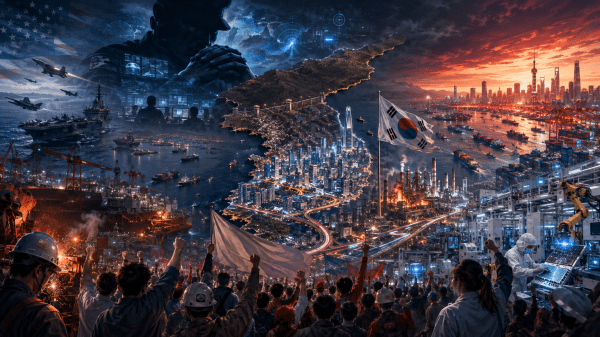
The Miracle Was Supposed to Take Orders: South Korea and the Contradiction of American Power

South Korea’s “miracle” didn’t fall from the fucking sky. It was built through war, U.S. occupation, anti-communist repression, Japanese capital, state-directed development, disciplined labor and a regional imperial order designed to make capitalism look victorious against socialism. But the contradiction is vicious: the same system built Korean industry strong enough to become indispensable, produced workers powerful enough to break dictatorship, and tied Korean accumulation into an Asian economy increasingly centered on China. Now Washington wants the miracle to keep taking orders—more weapons, more shipyards, more investment, more war preparation. The problem is South Korea ain’t the weak frontier state it used to be.

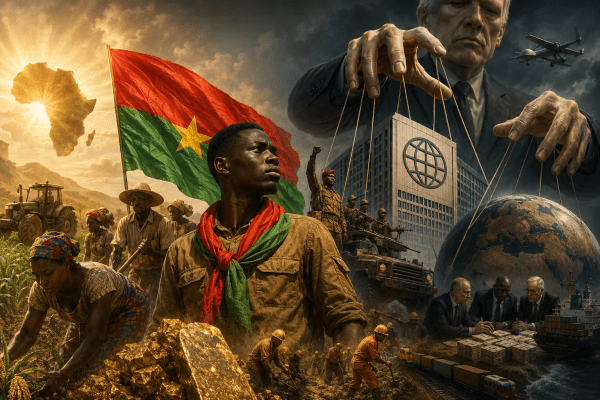
The Development Racket: How the World Bank Repackages Empire in Burkina Faso

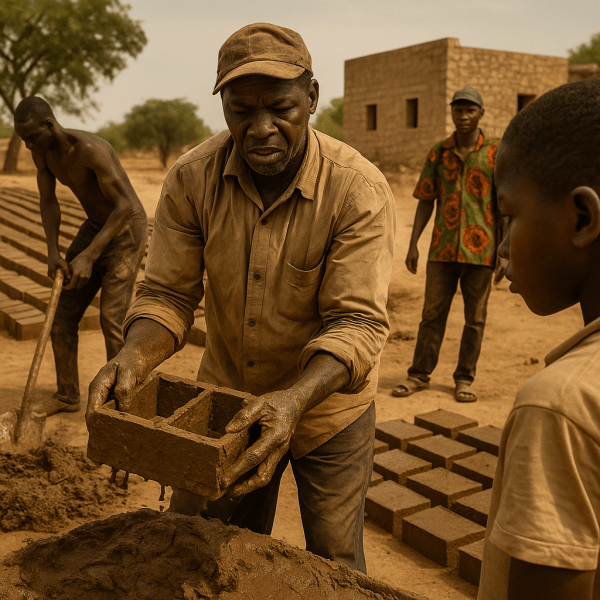
The World Bank's report on Burkina Faso masquerades as a beacon of growth while burying the sinister realities of imperialism and neoliberal domination. Beneath the polished metrics of economic success lies a nation striving for food and resource sovereignty, grappling with the vestiges of colonial exploitation. This report, cloaked in the language of reform, manipulates narratives to maintain control, ignoring the voices of those truly affected. Burkina Faso’s fight against the systems that dictate their development is not a mere economic story; it's a battleground for sovereignty, pitting genuine progress against imperial interests that aim to manage rather than liberate.

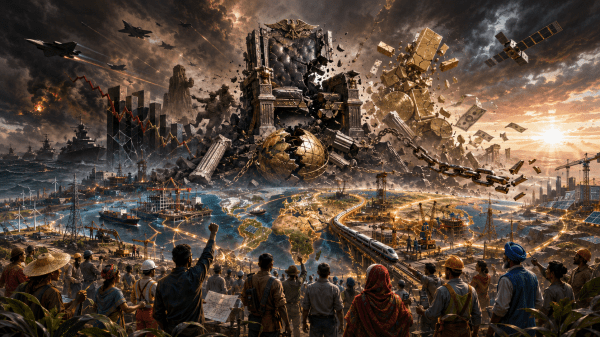
The Throne Was Always Cracked: Radhika Desai and the Myth of American Hegemony

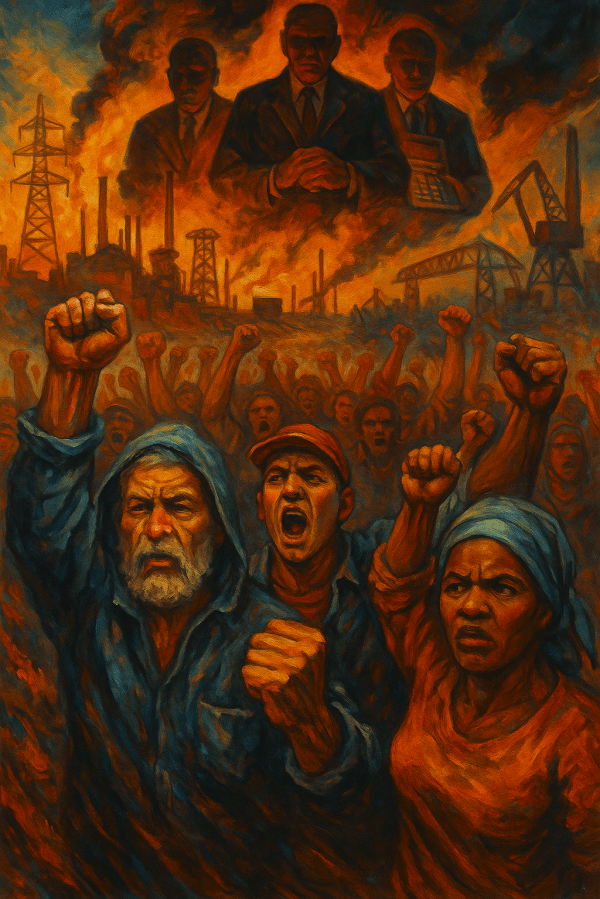
Radhika Desai’s Geopolitical Economy obliterates the illusion of a stable, American-led world, revealing that capitalism thrives on conflict, not unity. The book exposes capitalism’s instability, punctuated by crises that merely reshift the burdens onto workers and debtor nations. Desai argues for a multipolar world not as a peaceful transition to a new hegemon, but as a rupture from monopolistic control, fostering opportunities for sovereign development and socialist planning. However, liberation demands that working people reclaim the means of production and governance. The narrative warns against complacency; the emerging multipolarity is ripe for struggle, shaping the future based on who wields power over resources and development.

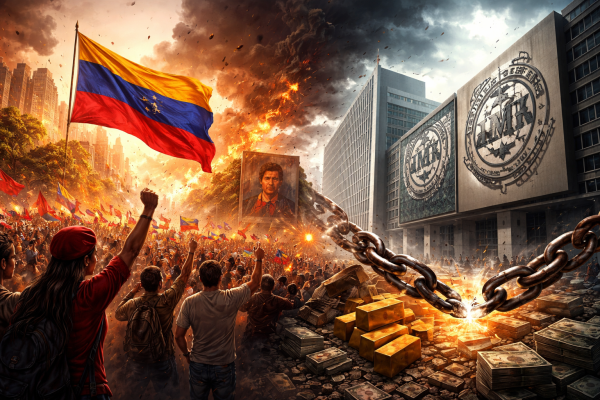
Reopening the Cage: Bretton Woods Returns to a Country That Refused to Kneel

The article presents IMF and World Bank re-engagement as routine normalization, masking a political event shaped by years of institutional blockade and external pressure. Beneath that surface lies a struggle over sovereignty, where constitutional legitimacy, sanctions, and anti-neoliberal memory redefine what “recognition” actually means. The return of global finance collides with a still-living project of... Continue Reading →

Nvidia’s Casino, the IMF’s Confession: How Wall Street Sells an “AI Economy” While Empire Runs on Debt, Extraction, and Discipline

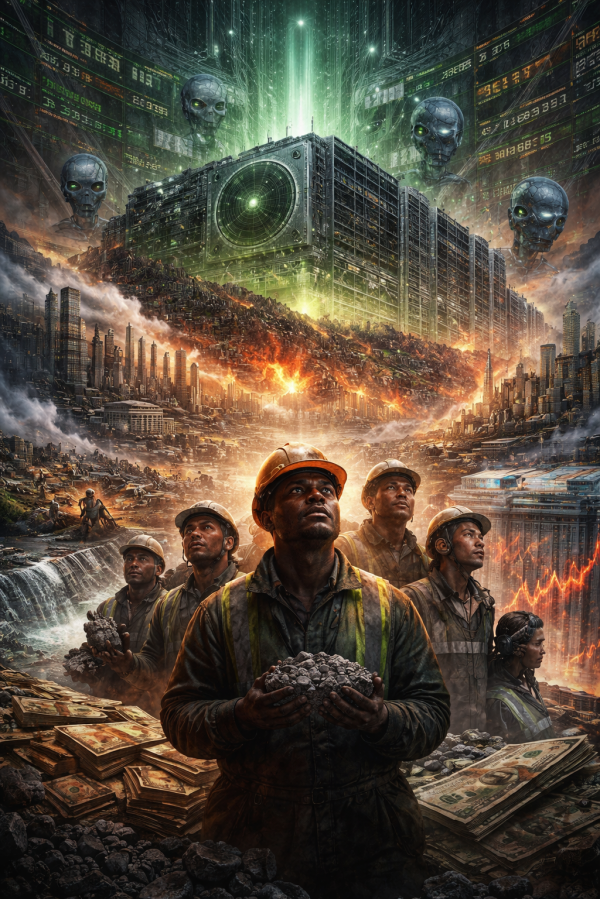
TheStreet’s “IMF warning” is not neutral analysis but a piece of market propaganda that converts class power into spreadsheet logic and fear into investor common sense. Beneath the tech hype, the U.S. growth story is revealed as a fragile pyramid propped up by the Magnificent Seven, Nvidia’s monopoly rents, and a debt-financed AI buildout that... Continue Reading →

Forecasting the Funeral: Bloomberg, the IMF, and the Gospel of Managed Decay

As the International Monetary Fund blesses the numbers and Bloomberg writes the sermon, the empire counts its decline as growth—and calls the corpse of capitalism “resilient.”By Prince Kapone | Weaponized Information | October 2025The Gospel of Managed DeclineOn October 14, 2025, Bloomberg published “IMF Warns of Dim Outlook for World Economy Hit by Rolling Shocks”,... Continue Reading →

Website Powered by WordPress.com.

Up ↑