The Axis Washington Built: How the War Against Multipolarity Is Pushing the World Toward World War III
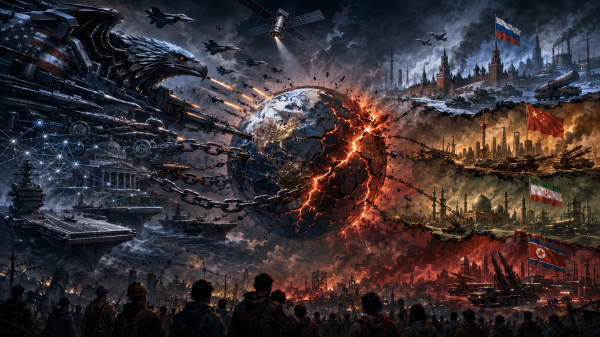
The rhetoric around a so-called "authoritarian axis" of Russia, China, Iran, and North Korea is dangerously misleading. This narrative stems from a long history of U.S. military expansion and interventionism that has fostered the very hostilities it claims to combat. Instead of viewing these nations as a monolithic threat, we must recognize that their alliances are responses to decades of American aggression and coercion. Bosco's portrayal of these entities as simple villains obscures the deeper dynamics at play, namely that U.S. actions have directly contributed to their convergence. To prevent a World War III scenario, we must dismantle the war machinery perpetuating this cycle of escalation and educate the public on these historical nuances.

The Crime of Making Too Much: China and the Empire’s Monopoly on Abundance

The Economist's recent critique of China's industrial prowess reveals a deeper hypocrisy within Western narratives. While it acknowledges China's efficiency, it vilifies state-driven competition when it disrupts Western hegemony. The real issue is not overproduction but an imbalance of purchasing power, presenting an ugly tableau of warehouses filled with goods while people lack access. As China strives for self-reliance, the West's response is to impose tariffs and sanctions, prioritizing monopoly over equitable distribution. This conflict isn’t a mere economic dispute; it’s a struggle for who controls productive capacity. The question is whether to align production with human need or maintain the status quo of inequality.

The Market Was Born with a Gun: Colonial Plunder, Neoliberal Rule, and the Worker-Peasant Road Beyond Capital

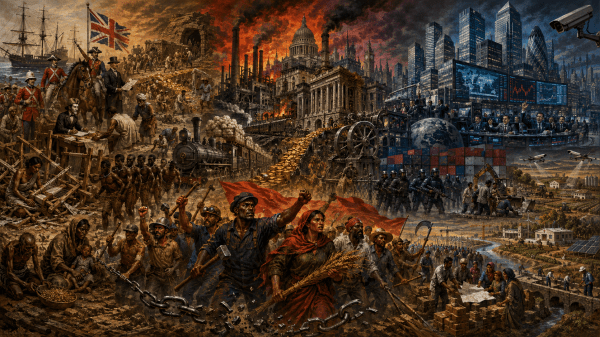
Utsa and Prabhat Patnaik’s groundbreaking analysis dismantles the myth that capitalism flourished independently within Europe, revealing a system intricately linked to colonial exploitation. They illustrate how colonialism not only financed European industrial growth but also perpetuated poverty and dependency in colonized nations. The authors articulate that capitalism's survival hinged on subjugating external economies. With the unraveling of colonial structures leading to depression and famine, they propose a radical rethinking of revolutionary potential through a worker-peasant alliance, emphasizing organized power as essential to dismantling capital's dominance. Ultimately, their work challenges the notion of capitalism's self-sufficiency, exposing its reliance on imperial mechanisms for survival.

The Sky Is Not for Sale: Namibia, Starlink, and the New Colonial Scramble for Digital Sovereignty

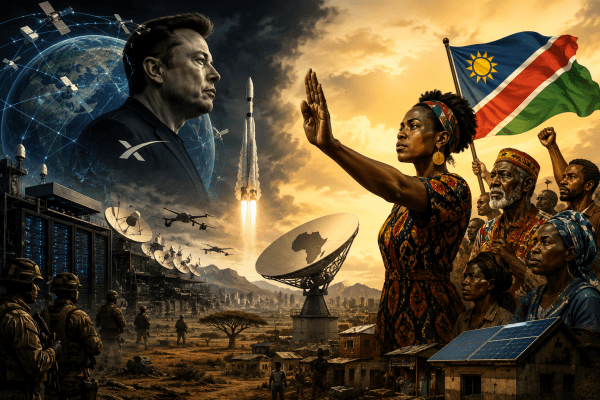
Elon Musk's Starlink faces a serious blow from Namibia as the nation's defense of local ownership laws clashes with corporate expansionism framed as progress. The business press conveniently portrays Namibia's regulations as hurdles to innovation, sidelining the crucial narrative of African sovereignty. This conflict is not merely about internet access but about resisting a new wave of digital colonialism preying on postcolonial nations' rights. As Namibia asserts its regulatory authority in telecommunications, the stakes rise: will Africa's digital future be owned by outsiders or harnessed for the continent's empowerment? The struggle embodies a fundamental question—who controls the gateways to communication and sovereignty?

The World Was Not Discovered: Genocide, Slavery, and the Birth of Capitalist Empire

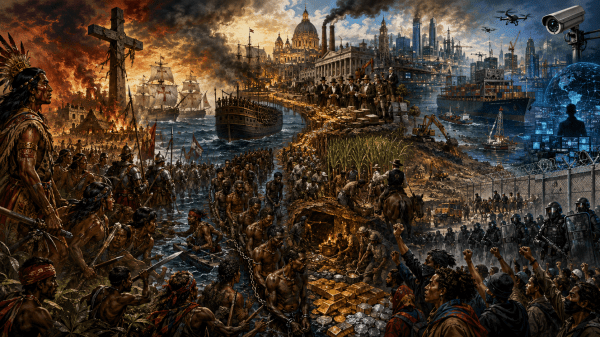
History is often told from the perspective of conquerors, romanticizing imperialism as a noble endeavor of “discovery.” However, this narrative ignores the vibrant, complex societies that existed long before European arrival; civilizations rich in culture and knowledge prepared to resist. The so-called “Age of Discovery” merely facilitated violent conquest, genocide, and exploitation. Colonialism and capitalism are intertwined, with wealth extracted through enslavement and land theft, while underdevelopment in colonized regions resulted from this systematic violence. Today, the consequences of colonialism persist, as neo-colonial strategies manipulate economies and suppress sovereignty. To reclaim the future, societies must confront this history, recognize the pain of oppression, and organize for a just world, free from the chains of empire.

Black Gold, Broken Chains: The AES, China, and the Sahel’s Revolt Against Empire

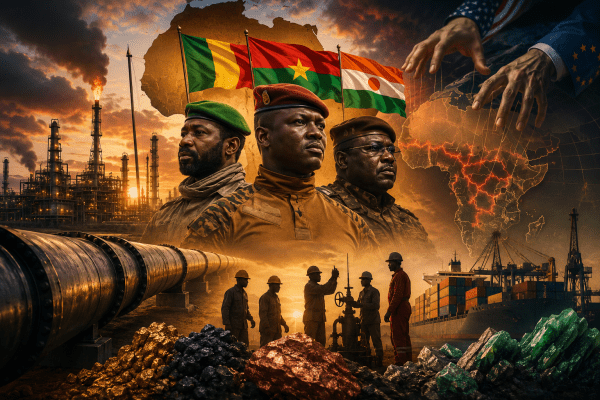
The recent oil agreements between Niger and Chinese firms aren't just another business deal; they expose a seismic shift in Africa's political landscape. As Western powers cling to outdated neocolonial frameworks, Niger is bargaining fiercely for sovereignty over its vast resources, rejecting mere extraction in favor of local control. This isn't a clean break; it’s messy and contradictory, revealing the power struggle over who governs the circulatory systems of wealth. The Sahel countries are navigating a new reality where they challenge traditional dependency and assert their agency. History is shifting beneath our feet—can Africa carve out a new path, or will old patterns reassert themselves?

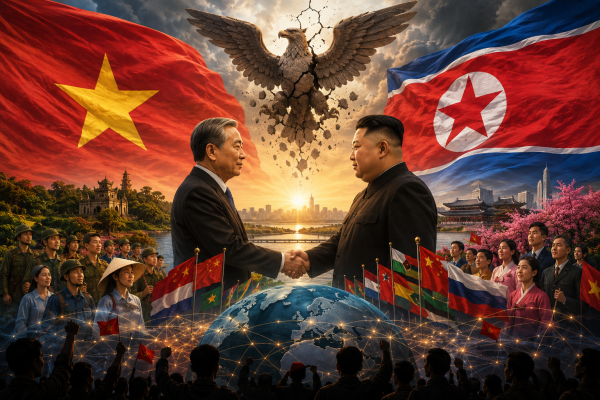
The Red Menace Strikes Back: Vietnam, the DPRK, and the Collapse of Imperial Isolation

In May 2026, Vietnam's Foreign Minister met with North Korean officials, a significant yet underreported event that challenges the Western narrative of the DPRK as isolated and irrational. This meeting signifies the resurgence of socialist internationalism and the resilience of anti-imperialist relations against a U.S.-dominated order. Vietnam asserts its independence by maintaining ties with a historically aligned state despite pressures to conform to U.S. interests, illustrating a defiance of binary political expectations dictated by Western powers. As these two nations deepen cooperation, they expose cracks in imperial control, revealing that sovereignty endures in the face of sanctions and coercion.

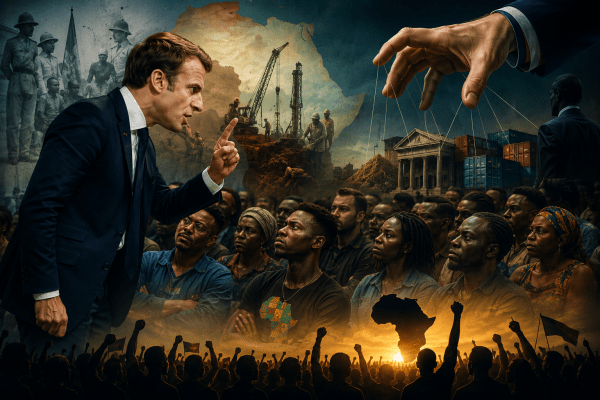
Françafrique 2.0: Macron, Multipolarity, and the Quiet Reassembly of Empire

French President Emmanuel Macron's interruption at a Nairobi summit starkly reveals the hypocrisy behind France's so-called partnership with Africa. Masked in the rhetoric of mutual respect and development lies an insidious struggle for neocolonial influence amid a backdrop of declining French authority. As African nations increasingly assert sovereignty, aiming to break free from debt and military dependency, Macron's actions embody centuries of colonial entitlement. While Paris attempts to rebrand its influence through climate and technological initiatives, a new wave of Pan-African movements challenges these narratives, demanding genuine autonomy over the façade of partnership. The true legacy of imperialism endures, evolving but never vanishing.

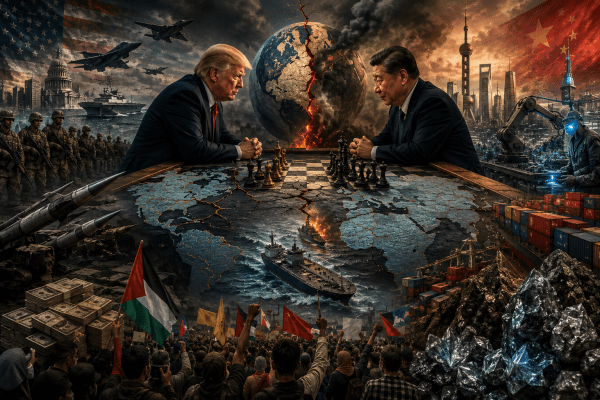
Empire at the Table: Trump, Xi, and the Crisis of Unipolar Power

The Beijing summit is not merely a high-stakes poker game between Trump and Xi; it’s a façade hiding an imperial crisis where U.S. dominance falters amid technological decay and geopolitical strife. France 24’s framing turns complex geopolitical tensions into trivial personal confrontations, ignoring the deeper struggles over resources and sovereignty that threaten global order. As globalization erodes, emerging anti-imperialist movements ripple through nations, rejecting the casino logic of empire. The real question isn’t who holds the cards, but whether an imperial system so reliant on exploitation and coercion can adapt to a world increasingly seeking self-determination and resistance.

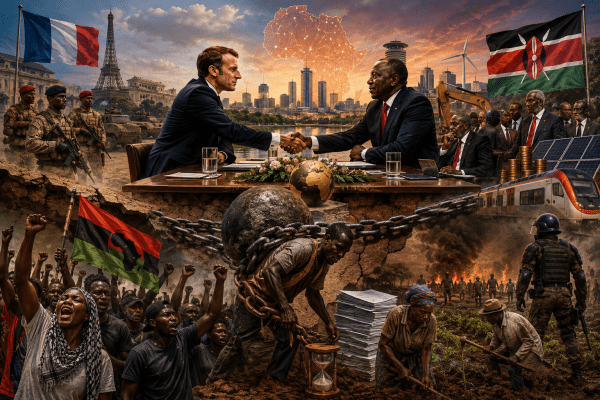
Françafrique Forward: Macron, Ruto, and the Nairobi Trap of Imperial Recalibration

The Africa Forward Summit in Nairobi is nothing more than a polished façade for France's enduring imperial ambitions in Africa, cleverly cloaked in the language of innovation and partnership. While hailed as a diplomatic reset as it moves outside Francophone Africa for the first time, the summit simply signals France’s desperation to regain footholds after being ousted from the Sahel. As Kenya grapples with its own debt crisis, the summit reflects a deeper reality: a struggle for sovereignty masked by corporate rhetoric. Opposing forces are mobilizing against this repackaging of imperialism, unearthing the true narrative of resistance against old empires in new guises.

Website Powered by WordPress.com.

Up ↑