After the Empire — Before the Collapse

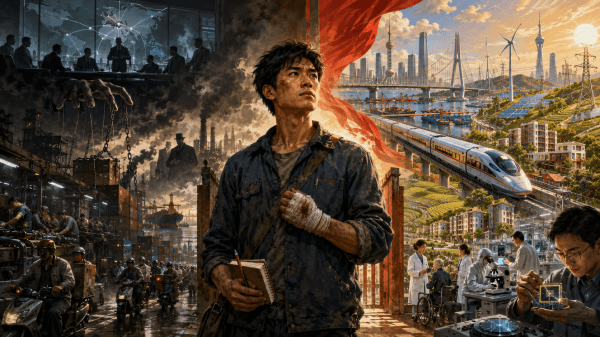
When Emmanuel Todd wrote After the Empire, Washington still believed it ruled a permanent unipolar world. Todd saw something different: an empire sustained less by production than by financial tribute and military spectacle. Two decades later the contradictions he described—economic dependency, micromilitarism, and ideological decay—have matured into the turbulent transition now reshaping global power.By Prince... Continue Reading →

Axis of Empire: The Coup, the Shah, and the War Against Iranian Sovereignty

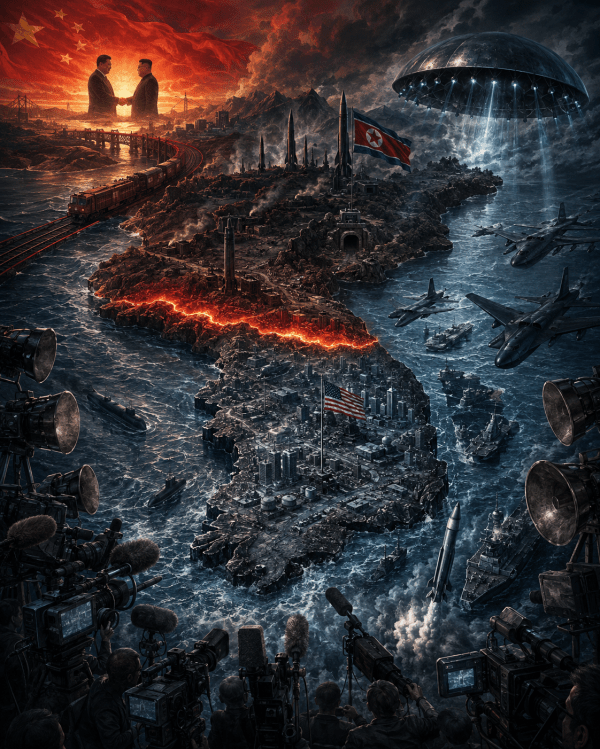
Afshin Matin-Asgari’s history exposes how U.S.–Iran relations were forged not through partnership but through intervention, oil politics, and the overthrow of democratic sovereignty. This review excavates the buried architecture of empire behind the 1953 CIA coup and the construction of the Shah’s authoritarian client state. It follows how the Iranian Revolution shattered that imperial arrangement... Continue Reading →

The Lithium Frontier: Empire, Oligarchs, and the Struggle for the Salt Flats of the Andes

Beneath the investor narratives of strategic minerals and geopolitical competition lies a deeper struggle over land, labor, and sovereignty. As the global economy reorganizes itself around electrification and battery technology, the salt flats of the Andes have become a new frontier in the long history of resource extraction in Latin America — where communities, states,... Continue Reading →

The Architects of Empire: How the Anglo-American Establishment Built the Modern World Order

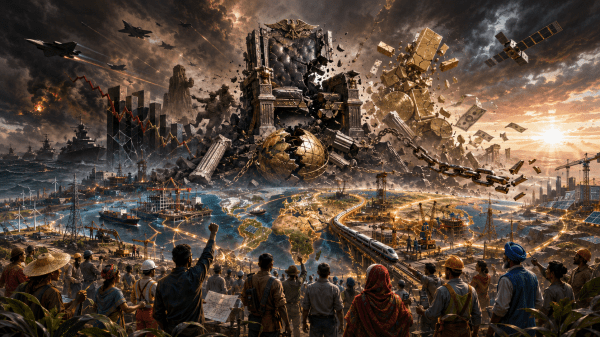
From Cecil Rhodes’ imperial secret society to the trilateral system that governs global capitalism today, the modern world order did not emerge by accident. It was constructed—patiently, institutionally, and across generations—by networks of bankers, strategists, policymakers, and imperial planners determined to organize power on a planetary scale. By Prince Kapone | Weaponized Information | Weaponized... Continue Reading →

The Guardian’s “Raw Deal” and Washington’s Fine Print: Zambia, Health Aid, and the Politics of Conditional Care

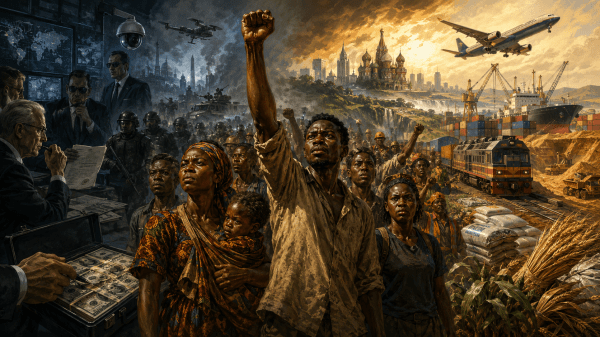
A liberal alarm rings in the pages of The Guardian, exposing troubling terms while leaving the aid architecture itself intact. The material terrain reveals how debt-shaped constraints narrow Zambia’s choices before any negotiation begins. The agreement fuses life-sustaining health systems with mineral governance and long-term informational commitments. Across the Global South, emerging refusals and alternative... Continue Reading →

Website Powered by WordPress.com.

Up ↑