Peggy Noonan Calls Capitalism Organic: The Wall Street Journal Buries the Violence That Built It
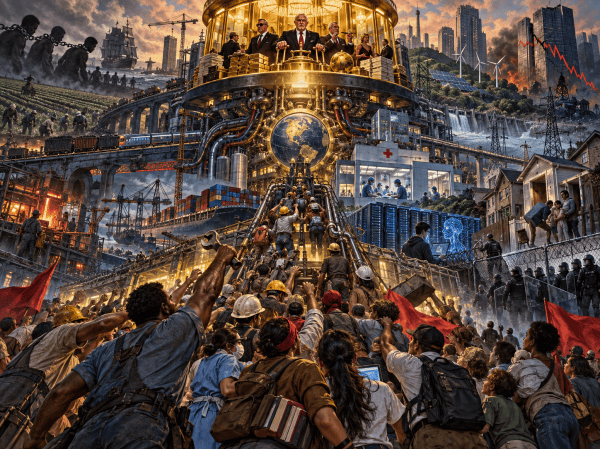
Peggy Noonan's alarm over socialism's surge reveals her flawed analysis: she blames the consciousness of the wounded instead of capitalism, which thrives on historical injustices like dispossession and slavery. As the capitalist structure crumbles under its contradictions—where collective production is shackled by private ownership—Noonan dismisses the urgency of socialism, painting it as a radical force aimed at destruction. Yet, socialism is rising not from whimsical ideology but out of necessity, as younger generations face economic precarity and disillusionment. The question isn’t whether capitalism is natural or just; it’s who truly controls the wealth and future built by the collective.

The Corpse Got Tenure: French Theory’s American Afterlife

Requiem for French Theory asks a question academia prefers to leave buried: how did a heterogeneous group of French thinkers become a unified radical canon in the United States? Monville and Rockhill trace the foundations, universities, publishers and Cold War institutions that helped make French Theory travel, but the deeper story is more dialectical than conspiracy. Foucault, Derrida, Deleuze and others confronted real contradictions and produced genuine insights even as their work was selectively reproduced, professionalized and detached from mass struggle. The lesson reaches Marxism itself: revolutionary theory needs more than correct ideas. It needs its own means of intellectual production.

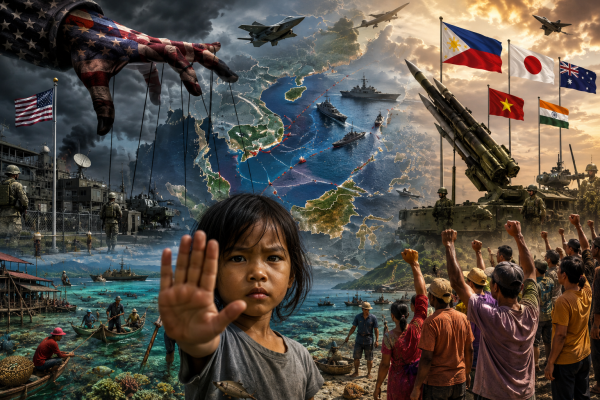
The Empire Still Holds the Gates: Multipolarity Builds Roads Around Them

Multipolarity isn't a new empire but a complex web of power dynamics where countries strive for developmental autonomy without severing ties to imperial centers. Though emerging institutions like BRICS and SCO offer alternatives, they reveal a deeper truth: political independence doesn't guarantee economic sovereignty. The geopolitical landscape is increasingly messy; states are interconnected yet vulnerable. For every summits attended and partnerships forged, underlying dependencies remain unchallenged. The real question isn’t where countries sit on a world map; it’s who controls resources and technology within their borders. True liberation from exploitation lies not in diplomatic participation but in addressing internal inequalities and class power.

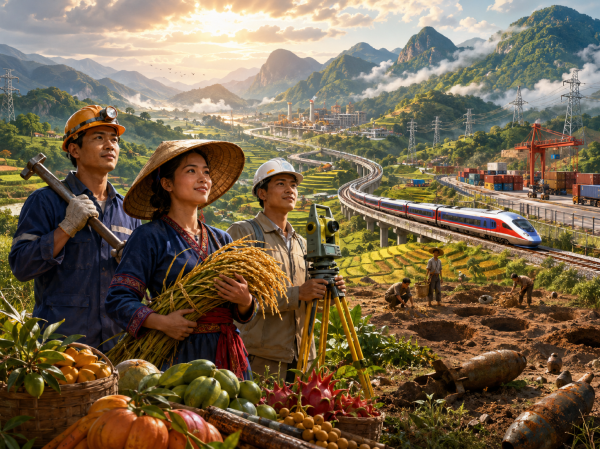
Keeping to the Socialist Path: Laos, China, and the Machinery of South-South Development

The June 2026 Laos-China state visit unfolded as a significant convergence between two socialist nations navigating their intertwined ambitions amid a capitalist-imperialist world. Rather than surrendering to the narrative of a “debt trap,” Laos and China embraced a collaboration marked by political intent, evidenced in thirty-two agreements across sectors like agriculture and technology. This partnership aims to transform Laos into a self-sufficient state, guided by its revolutionary history. The imperial media, however, conveniently ignored this cooperation, as it undermines their narrative of helpless nations. Laos, now reclaiming agency, is no longer portrayed as a mere victim but as a sovereign actor defining its path to development.

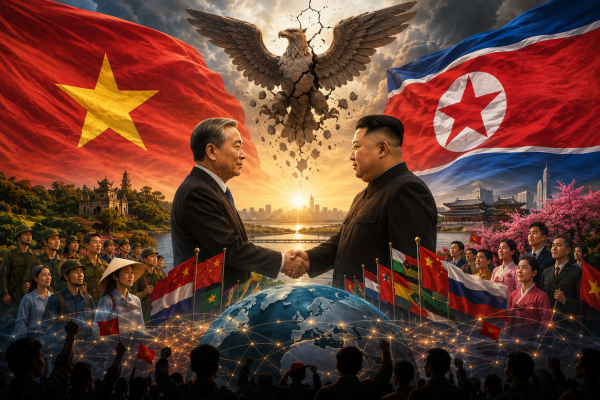
The Red Menace Strikes Back: Vietnam, the DPRK, and the Collapse of Imperial Isolation

In May 2026, Vietnam's Foreign Minister met with North Korean officials, a significant yet underreported event that challenges the Western narrative of the DPRK as isolated and irrational. This meeting signifies the resurgence of socialist internationalism and the resilience of anti-imperialist relations against a U.S.-dominated order. Vietnam asserts its independence by maintaining ties with a historically aligned state despite pressures to conform to U.S. interests, illustrating a defiance of binary political expectations dictated by Western powers. As these two nations deepen cooperation, they expose cracks in imperial control, revealing that sovereignty endures in the face of sanctions and coercion.

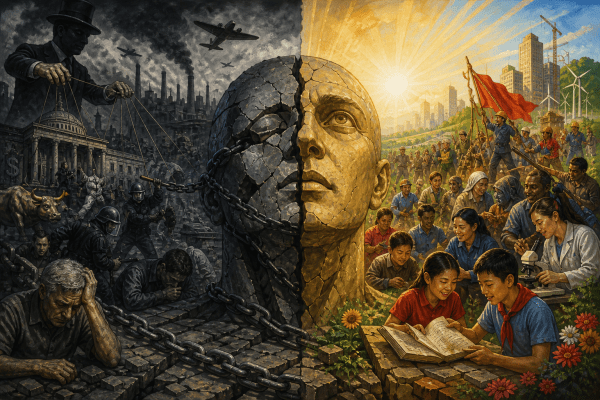
Failure According to Whom?: Rewriting the Metrics of Socialism

The pervasive claim that socialism has "failed" is an ideological construct rather than a factual statement. A closer analysis reveals that socialist systems, from the Soviet Union to China, achieved measurable gains in education, health, and economic development under dire conditions. This narrative of failure is not supported by historical evidence but rather is a product of a century-long ideological war against socialism. Capitalism, meanwhile, perpetuates crises, inequality, and social fragmentation, failing to meet human needs. The real question is not why socialism fails, but how it has transformed societies when confronted with immense challenges, challenging the ruling narrative that defines success so narrowly.

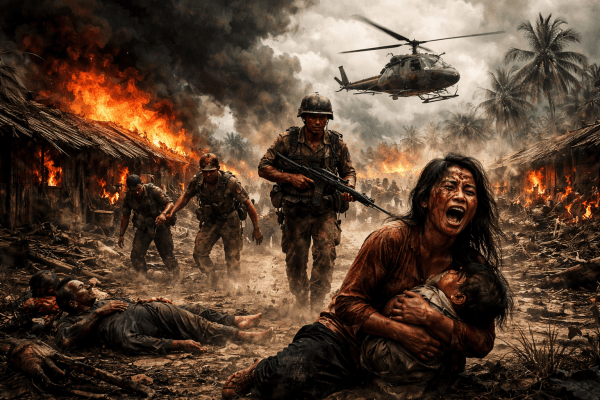
Kill Anything That Moves: Excavating the Hidden Logic of America’s War in Vietnam

This Weaponized Intellects review enters Nick Turse’s investigation as both a historical excavation and a political indictment. It traces how a counterinsurgency war built on body counts transformed the Vietnamese countryside into a laboratory of industrialized violence. It examines the bureaucratic systems that normalized atrocity and the machinery of denial that later buried the evidence.... Continue Reading →

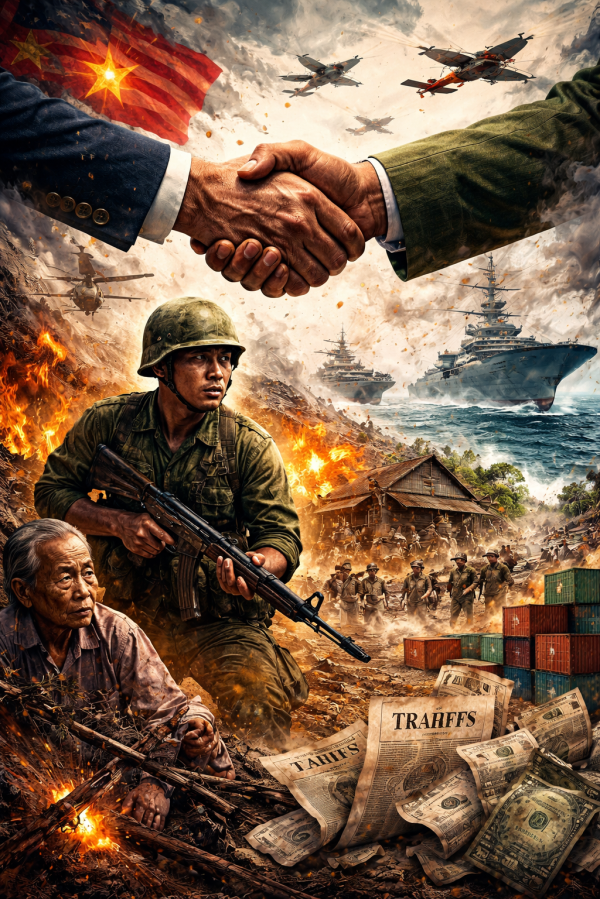
Washington Calls It “Partnership” While Vietnam Calls It Survival: How Empire Pathologizes the Memory of War

Corporate media reframes a nation’s hard-earned vigilance as psychological insecurity, quietly teaching readers to distrust the survival instincts of a people who have already endured invasion and annihilation. The buried history of bombardment, chemical warfare, and economic leverage resurfaces to show that Hanoi’s caution grows from lived material reality, not ideological stubbornness. Behind the language... Continue Reading →

Empire’s Favorite Lie: Michael Parenti, Anti-Communism, and the Moral Alibi of Capital

Anti-communism is not an opinion but an environment. The communist is demonized so empire can call itself innocent. Liberal reason disciplines dissent more effectively than repression. Vietnam exposes anti-communism as an ideology that requires bodies. By Prince Kapone | Weaponized Intellects Book Review | Weaponized Information | January 28, 2026 I. When Anti-Communism Becomes the... Continue Reading →

Website Powered by WordPress.com.

Up ↑