The rhetoric around a so-called "authoritarian axis" of Russia, China, Iran, and North Korea is dangerously misleading. This narrative stems from a long history of U.S. military expansion and interventionism that has fostered the very hostilities it claims to combat. Instead of viewing these nations as a monolithic threat, we must recognize that their alliances are responses to decades of American aggression and coercion. Bosco's portrayal of these entities as simple villains obscures the deeper dynamics at play, namely that U.S. actions have directly contributed to their convergence. To prevent a World War III scenario, we must dismantle the war machinery perpetuating this cycle of escalation and educate the public on these historical nuances.
Tomorrow’s Russian Tank: How a Hypothetical War Rearms Europe Today
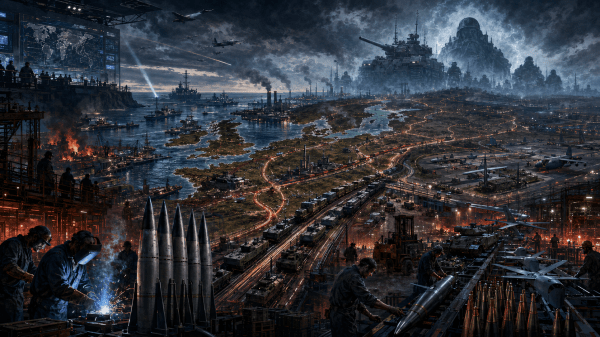
CNN warns that Russia could someday “test” NATO, but the military transformation supposedly justified by that future threat is already underway. Europe is being rearmed, civilian infrastructure reorganized for military mobility, and productive capacity redirected toward an expanding war economy as U.S. weapons stocks strain under commitments spanning Ukraine, Iran, Russia, and China. The deeper story is not a proven Russian timetable for invasion, but an American-centered imperial bloc confronting the rising cost of reproducing its military reach and hardening Europe as a Western Rear. What Russia could do tomorrow becomes the argument for what Europe must militarize today.
NATO’s Self-Fulfilling Prophecy; How Encirclement Forged the Russia–China Alliance
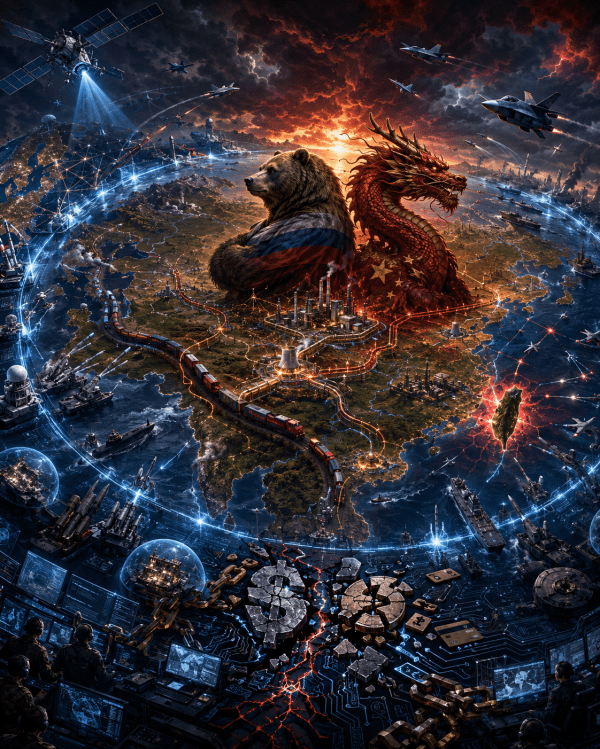
DER SPIEGEL's investigation into military cooperation between Russia and China is more than just a mere report; it's an embodiment of the West's narrative that casts these nations as the new "axis of evil." This framing is less about honesty and more about justifying aggressive military posturing and sanctions against perceived threats. The true danger lies not in an orientation towards war, but in an imperial system that, in its quest for domination, fuels the very alliances it fears. The article critiques this perspective, urging a grassroots movement to challenge militarism and push for a redirection of resources towards societal needs instead of war machinery.
NATO 3.0: The Empire Rebrands Its Launchpads
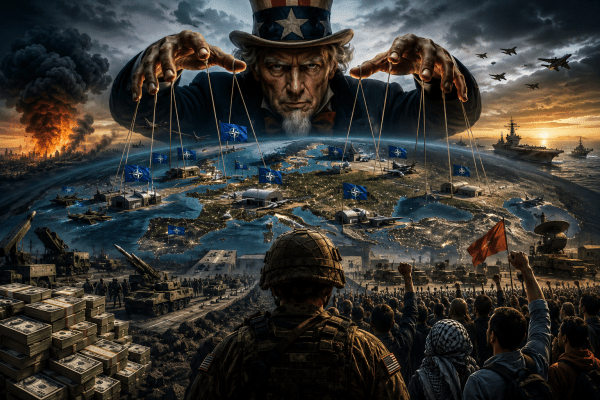
NBC’s coverage of Pete Hegseth's outburst in Brussels starkly reveals a deeper imperial narrative: NATO is a glorified framework for U.S. militarism, demanding European complicity. Instead of a cooperative alliance, it illustrates a machinery of war where access to land and resources is treated as a given entitlement. The jargon of "burden-sharing" and "NATO 3.0" drapes the insistence on militarized obedience in a veneer of unity. The article neglects dissenting voices, such as the European populations and their rights, instead framing hesitation as irresponsibility. This is not a mere operational adjustment; it’s a clarion call to recognize and resist the underlying realities of imperialism masquerading as alliance-building.
Washington’s War, Ukraine’s Graveyard: The Proxy Conflict Trump Now Pretends to Mediate
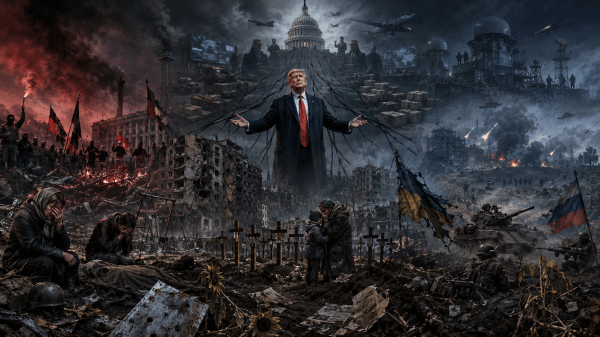
The Guardian’s narrative on the Ukraine war kicks off in February 2022, conveniently disregarding the chaotic political landscape, foreign meddling, and the violent rise of armed nationalists that preceded it. The buried history illustrates the overthrow of an elected government and NATO's strategic maneuvers pushing Ukraine to the frontline against Russia. The article reduces years of tragedy to a phone call between Trump, Putin, and Zelenskyy, framing diplomacy as mere spectacle. The real implications? The global working class must rise against this imperialist agenda, demanding peace and refusing to perpetuate a conflict that is less about nations and more about power plays and puppetry.
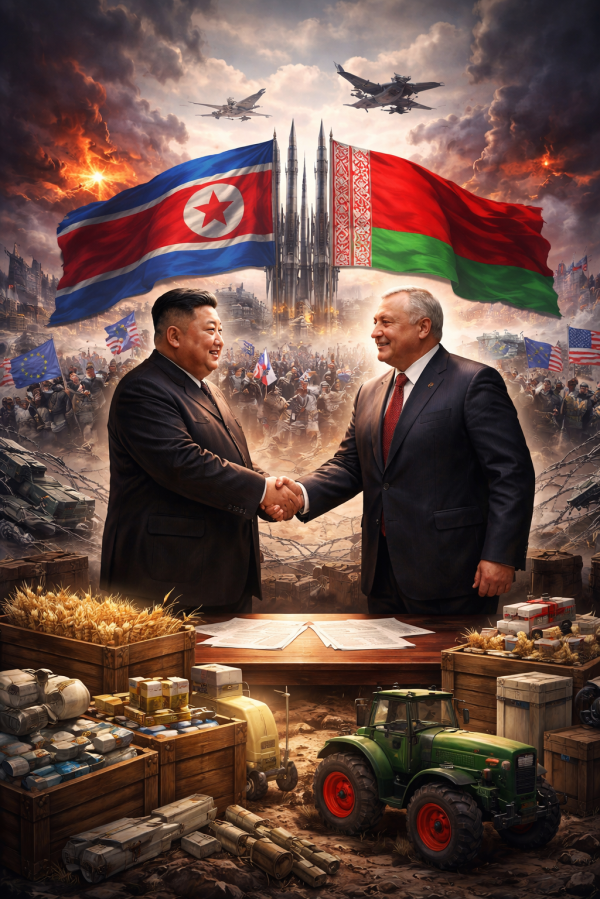
The Independent’s Imperial Blindness: How North Korea and Belarus Refuse Isolation and Build Under Siege
The Independent recasts the DPRK–Belarus treaty as suspicious alignment while obscuring sanctions, war, and coercion shaping both states. The actual record shows concrete agreements across food, healthcare, industry, and education built through ongoing diplomatic coordination. These developments emerge from Korea’s imposed partition, Belarus’s post-Soviet Western pressure, and their shared positioning alongside Russia in the Ukraine... Continue Reading →
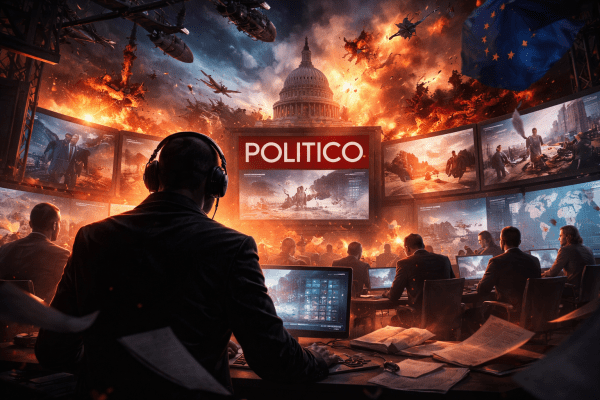
Politico and the Art of Imperial Whispering: How Narrative Manages Crisis, War, and a Fracturing Western Bloc
What presents itself as sober reporting reveals, on closer inspection, a carefully arranged narrative that fragments reality into isolated claims while obscuring the material ground beneath them. A close reading exposes the specific devices through which uncertainty is manufactured, alliances are subtly disciplined, and strategic tensions are recast as manageable intrigue. When the missing historical,... Continue Reading →
The BBC, Zelensky and the Price of Primacy: When Hegemony Calls Itself Defense
This essay excavates the BBC’s framing of the Ukraine war to reveal how catastrophe rhetoric and moral personalization manufacture consent. It reconstructs the documented record—NATO expansion, U.S. strategic doctrine, Minsk diplomacy, sanctions, and militarization—to widen the frame beyond headline urgency. It then situates the conflict within the deeper contradiction between imperial hegemony and national sovereignty,... Continue Reading →
When Money Becomes a Weapon: Euroclear, the European Union, and the Collapse of Sovereign Finance into Financial Warfare
Euroclear, frozen reserves, and the quiet normalization of financial warfare in a collapsing imperial order By Prince Kapone | Weaponized Information | December 14, 2025 When Power Speaks in the Calm Voice of Administration The article under excavation — “EU dismisses Russia's lawsuit against Euroclear as ‘speculative’ and groundless” , published by Euronews on December... Continue Reading →
Russia’s “Reckoning” or the West’s Delusion? How The Economist Manufactures Collapse to Comfort a Dying Empire
This essay tears the mask off The Economist’s collapse narrative and exposes it as imperial comfort food for a ruling class terrified of losing the world it once controlled. It then digs beneath the rubble of Western claims to recover the independent, Global South–verified facts that reveal the real architecture of the war. With those... Continue Reading →