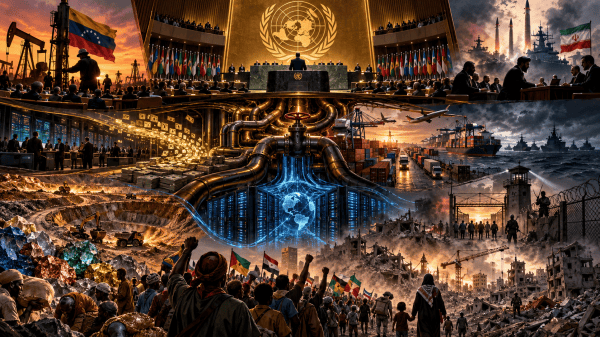
UNGA 81 looked like a week of separate crises: Palestine, Iran, Venezuela, artificial intelligence and China. Beneath the speeches, however, each exposed the same unfinished contradiction between formal sovereignty and the unequal material power needed to make sovereignty real. Gaza’s reconstruction, Venezuela’s oil revenues, Iran’s negotiations under coercion, and the Global South’s struggle for technological capacity all reveal how finance, property, military force and infrastructure shape what legal equality can actually deliver. The summit’s real story wasn’t only what leaders said from the podium, but who still controls the machinery that gives those words weight.
No Annexation Required: Greenland Gets a Seat Inside Washington’s Arctic Wall
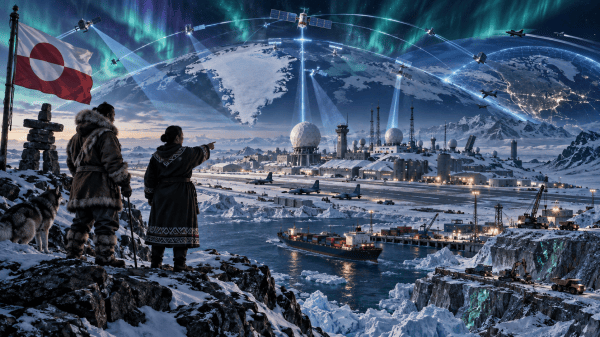
Forget the surface-level headlines; the Greenland agreement is a complex chess game, far beyond Trump's land-grab fantasies. The U.S. and Denmark superficially box Greenland into negotiations, overshadowing its own quest for agency and self-determination in the face of imperial maneuvering. As the Arctic transforms into a geopolitical battleground against rising powers like China and Russia, Greenland finds itself asserting its rights while navigating the treacherous waters of dependency. The true question isn't merely who controls the territory but whether Greenland can leverage its newfound strategic significance into genuine autonomy and prosperity over its resources, contracts, and future.
The Rear Grew Teeth: Europe Rearms the Empire and Builds the Means to Defy It
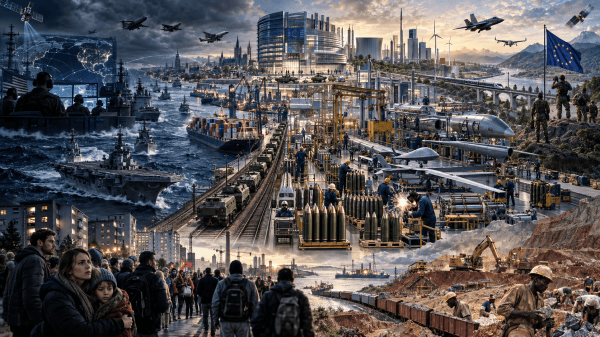
Europe stands at a crossroads, teetering between aspiration and disillusionment. While citizens envision a unified continent brimming with strength, their faith in existing structures crumbles under the weight of slow responses and dependency on America. With rising defense spending and manufacturing capacities, the stakes are high: will this newfound power serve the elite monopolies or empower the working class? The far-right feeds on feelings of decline, masking deeper questions about control and ownership. The real issue isn't a lack of imagination but the dire need for command: who controls Europe’s burgeoning power? The fight for true sovereignty—socially and politically—has only just begun.
The Coup Didn’t Come From Nowhere: Niger, Base 101, and the Empire Inside the State
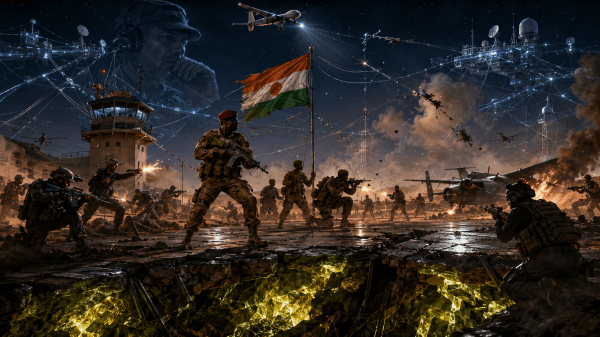
BBC framed Niger’s August 29 Base 101 uprising as a story about mutinous soldiers and a frightening weapons cache. The deeper record reveals something far more consequential: a fractured special-operations apparatus, credible evidence of Bazoum-linked and foreign contacts, an inherited Western security system, and a state still fighting to reclaim control over its military, uranium, and foreign relations. As France and the United States adapt to lost bases through smaller footprints, partner forces, and strategic networks, Niger is building alternative relationships through the AES, Russia, and Algeria. The coup didn’t come from nowhere—and neither did the empire trying to survive its retreat.
Containment Makes Its Own Escape Routes: China, Iran, and the Rare-Earth Contradiction
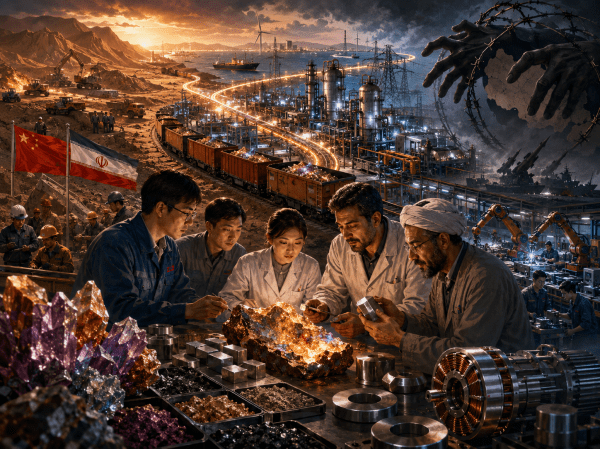
The narrative surrounding a modest scientific workshop between China and Iran is sensationalized into a geopolitical crisis, primarily through the lens of U.S. concerns. It's ironic: while Washington frantically condemns this cooperation, the real battle revolves around who controls the rare-earth supply chain. Both countries face sanctions that push them to create independent scientific and industrial pathways. The focus should pivot from mere diplomatic theatrics to whether this partnership enhances Iran's productive capacity or merely perpetuates dependency. Ultimately, this cooperative effort holds the potential to disrupt traditional power dynamics—unless it devolves into another avenue for exploitation under foreign dominance.
The End of the Quarry: Africa’s Critical Minerals and the Limits of Imperialism
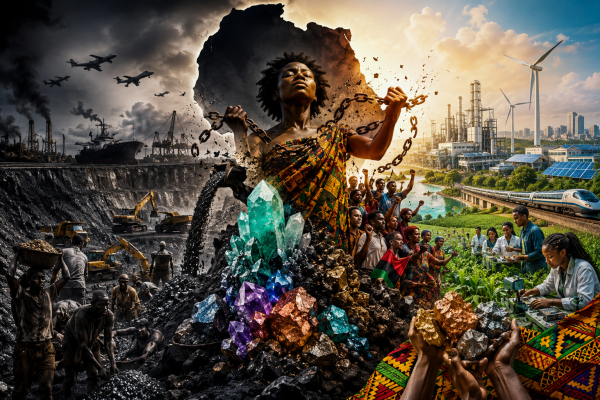
Africa is sitting on a treasure trove of critical minerals vital for the future of technology and energy, yet continues to be stymied by outdated infrastructure and foreign control. McKinsey’s report highlights the potential for $40 billion in mining value, but fails to confront the core issue: Africa’s continued subjugation as a resource mine rather than a sovereign player. This narrative masks Africa’s political struggles and reinforces colonial patterns under a veneer of opportunity. The necessity for a continental strategy emerges as a means to reclaim economic power and transform the mineral wealth from a tool of exploitation into a foundation for self-determination and industrial capability. The danger lies not in missed opportunities, but in repeating the same historical mistakes that have kept Africa relegated to mere supplier status.
Same Boss, New Contract: USMCA and the Empire’s Grip on Mexico and Canada
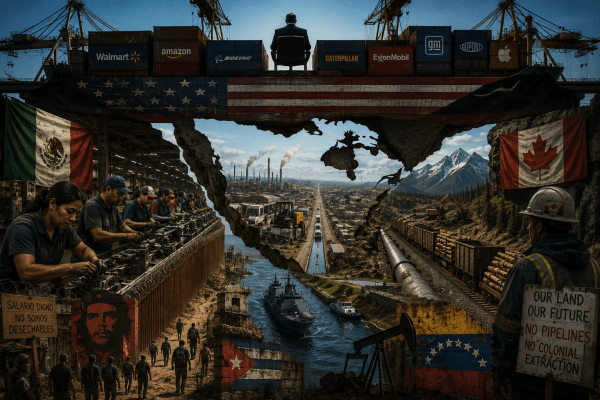
NBC's portrayal of Trump's refusal to renew the USMCA is more than a mere disruption in trade; it’s a calculated move to establish an iron grip over North America. The article frames this as instability, ignoring the deeper narrative of imperial ambition where trade agreements become tools for coercion. The U.S. isn't retreating; it's reconfiguring the continent, tightening control over Mexico and Canada while excluding China from the fold. Workers from all sides suffer under this new order while corporate interests thrive unchallenged. Ultimately, this is not a story of chaos but of empire reshaping subjugation—inviting you to witness the birth of Fortress America instead of its decay.