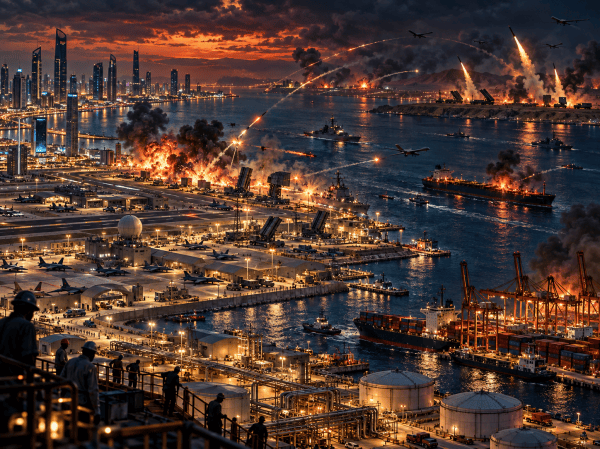
The Gulf monarchies, once loyal to Washington's military dominance, are now scrambling for survival in a world where Iranian aggression opposes their established security framework. The ongoing war has exposed a perilous contradiction: the very American military infrastructure meant to protect the Gulf states has rendered them vulnerable to Iranian strikes. As the U.S. becomes a less reliable ally, these nations are cautiously seeking dialogue with Tehran, marking a seismic shift in regional politics. Their actions aren't a break from American influence but a pragmatic response to an urgent need for stability amidst rising tensions. The question remains—can they navigate this treacherous terrain without abandoning old alliances?
The School Was Put on Trial, the War Wasn’t: How Minab Became the Crime Scene While Washington’s Attack Became Background
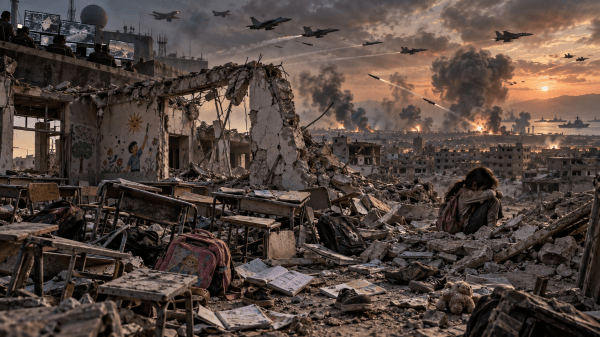
A UN investigation found reasonable grounds to believe U.S. forces committed war crimes in Iran after a primary school in Minab was struck and more than 150 people were killed. But the massacre cannot be understood as an isolated targeting failure inside an otherwise neutral war. The U.S.-Israeli assault began while diplomacy was still active, unfolded through a campaign that publicly celebrated overwhelming force, and repeatedly carried destructive power into civilian space. Minab exposes the larger structure: a war of aggression fragmented into legal incidents, technical explanations and media frames that make the crime scene visible while the war that created it slips into the background.
No Annexation Required: Greenland Gets a Seat Inside Washington’s Arctic Wall
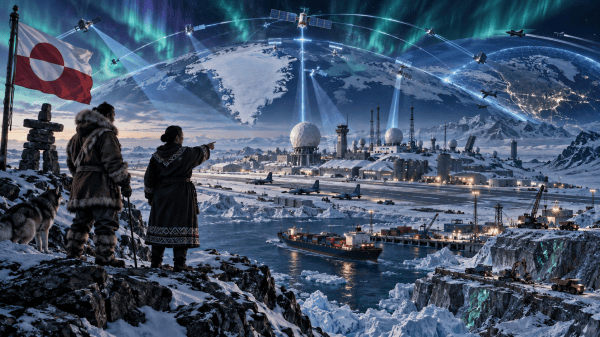
Forget the surface-level headlines; the Greenland agreement is a complex chess game, far beyond Trump's land-grab fantasies. The U.S. and Denmark superficially box Greenland into negotiations, overshadowing its own quest for agency and self-determination in the face of imperial maneuvering. As the Arctic transforms into a geopolitical battleground against rising powers like China and Russia, Greenland finds itself asserting its rights while navigating the treacherous waters of dependency. The true question isn't merely who controls the territory but whether Greenland can leverage its newfound strategic significance into genuine autonomy and prosperity over its resources, contracts, and future.
Peggy Noonan Calls Capitalism Organic: The Wall Street Journal Buries the Violence That Built It
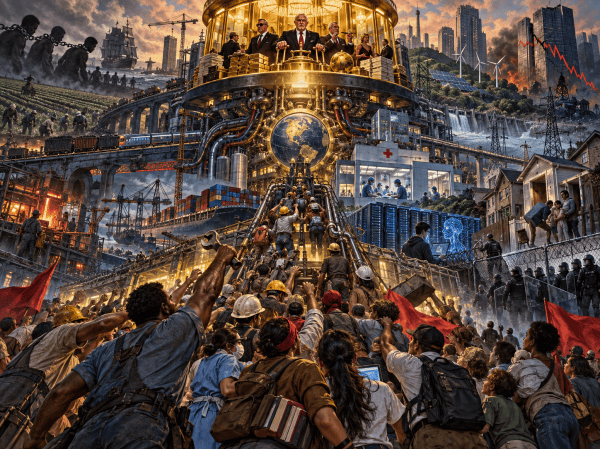
Peggy Noonan's alarm over socialism's surge reveals her flawed analysis: she blames the consciousness of the wounded instead of capitalism, which thrives on historical injustices like dispossession and slavery. As the capitalist structure crumbles under its contradictions—where collective production is shackled by private ownership—Noonan dismisses the urgency of socialism, painting it as a radical force aimed at destruction. Yet, socialism is rising not from whimsical ideology but out of necessity, as younger generations face economic precarity and disillusionment. The question isn’t whether capitalism is natural or just; it’s who truly controls the wealth and future built by the collective.
The Deed Stays in Caracas: How Washington Commands Oil It Doesn’t Own
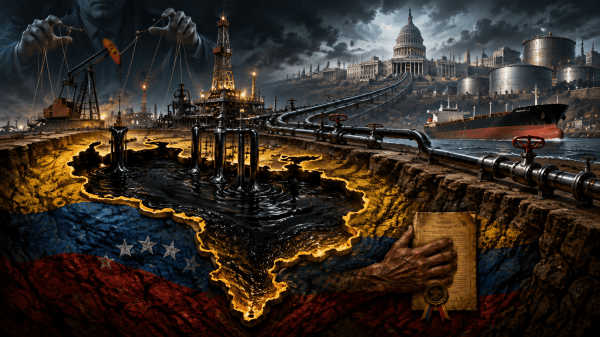
Delcy Rodríguez's shocking pivot from anti-imperialist rhetoric to endorsing U.S. oil agreements is less a political betrayal and more an unveiling of Venezuela's fractured sovereignty. The narrative is explosive: as Washington tightens its grip, national ownership of oil assets becomes a hollow claim, with real power shifting to private capital and American influence. The illusion of control is shattered—Venezuelans are left to wrestle with a new reality where contracts dictate who profits from their resources. The stakes are high, as demands for transparency and public scrutiny grow louder; will the oil wealth truly benefit the people, or simply reinforce the power structures in play?
Sovereignty Built on Foreign Steel: Indonesia’s Industrial Rise and the Fight Over Who Commands It
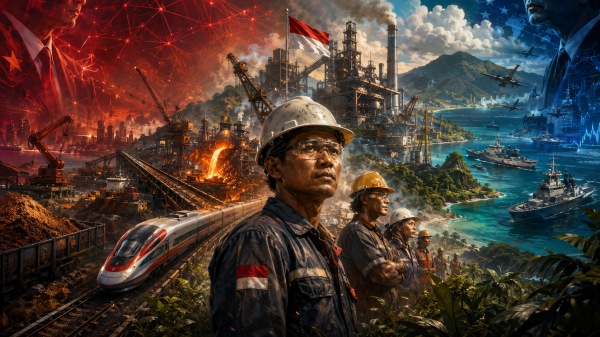
Indonesia is ensnared in a web of foreign capital and corporate power, straddling the interests of Beijing and Washington while striving for autonomy. Its dependency on Chinese investment for industrial growth is creating complex struggles over resource control and worker rights. While the state seeks to regulate foreign involvement in its burgeoning industries, genuine sovereignty hinges on who truly reaps the benefits. Rhetoric about maintaining balance belies a troubling reality: as the nation builds industrial capacity, the power dynamics increasingly favor foreign interests, leaving local workers and communities grappling for their rightful share in this economic transformation.
Surrender as Relief: Rubio’s War on Cuba’s Means of Survival
Marco Rubio’s new sanctions do not merely target Cuban military procurement. They strike the institutions, banking channels, suppliers, repair systems, and foreign relationships through which Cuba survives a blockade designed to manufacture deprivation and political surrender. Washington restricts fuel, finance, technology, and trade, then presents the resulting hardship as proof of socialist failure. As Cuba turns toward China, Russia, and other partners to preserve its sovereignty, those lifelines are recast as threats. Behind the language of security lies the old imperial objective: isolate the island, weaken its defenses, deepen popular suffering, and force the Cuban Revolution to kneel.