Same Boss, New Contract: USMCA and the Empire’s Grip on Mexico and Canada

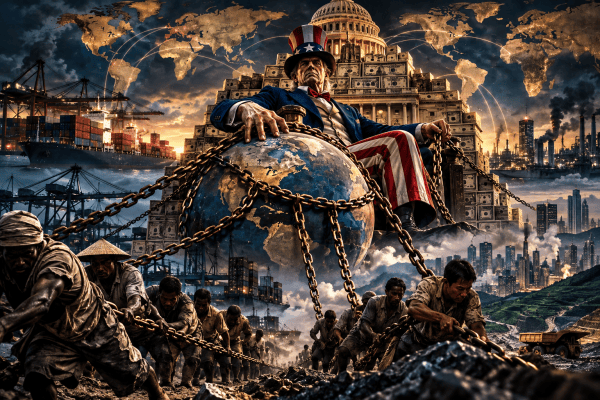
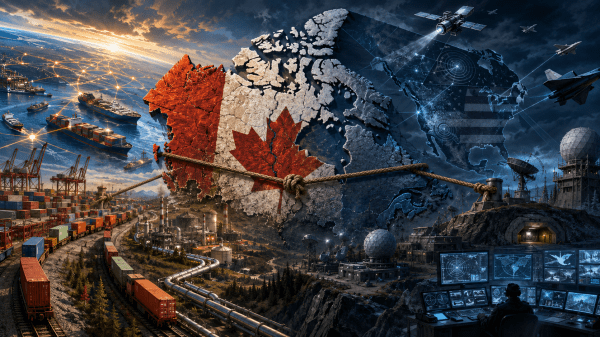
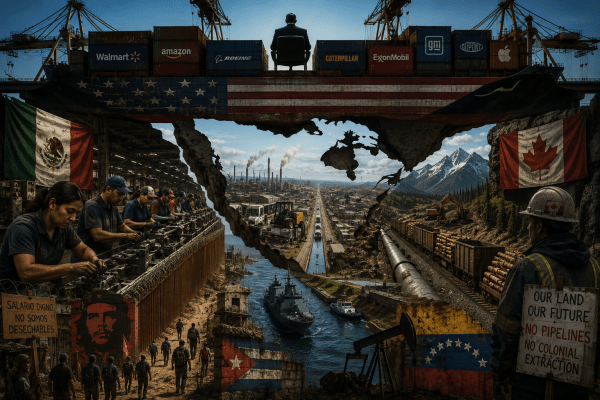
NBC's portrayal of Trump's refusal to renew the USMCA is more than a mere disruption in trade; it’s a calculated move to establish an iron grip over North America. The article frames this as instability, ignoring the deeper narrative of imperial ambition where trade agreements become tools for coercion. The U.S. isn't retreating; it's reconfiguring the continent, tightening control over Mexico and Canada while excluding China from the fold. Workers from all sides suffer under this new order while corporate interests thrive unchallenged. Ultimately, this is not a story of chaos but of empire reshaping subjugation—inviting you to witness the birth of Fortress America instead of its decay.

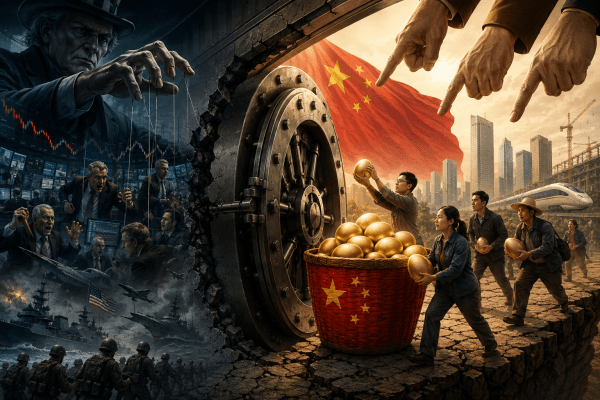
China Locked the Vault: Wall Street Weeps for the Investor It Wanted to Recruit

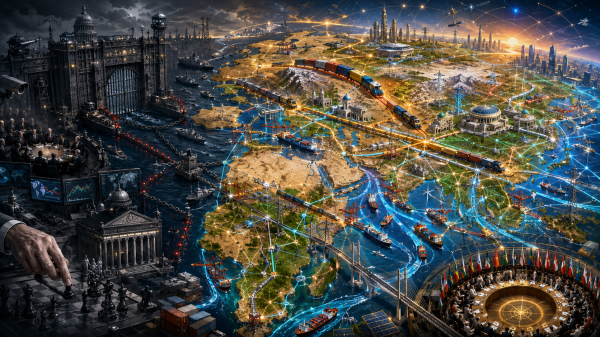
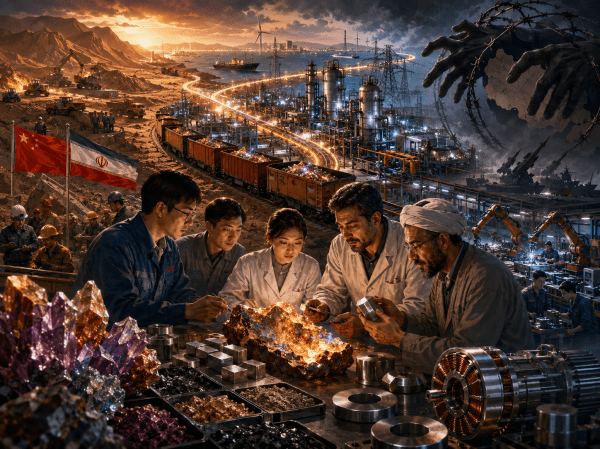
The New York Times portrays China's financial regulations as a morality tale of oppressed investors yearning for capital freedom, framing Beijing's restrictions on overseas investments as authoritarian repression. However, this narrative conveniently ignores China's struggle against capital flight amidst geopolitical tensions with the U.S. The real story is about defending national wealth from draining into imperial circuits while promoting domestic stability and development. This distortion of capital mobility as individual freedom obscures the broader implications of wealth dispersing into an adversarial financial system. The moral panic surrounding investor frustrations reveals a deeper conflict: the sovereignty of a nation versus the whims of financial capital.

Bull Market, Broke People: The Stock Market’s Good News Is the Working Class’s Bad Joke

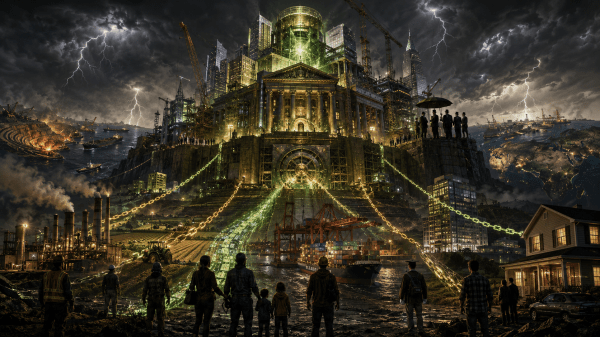
As markets soar, the majority of households are trapped in economic despair, cutting back on spending as essential prices rise and wages stagnate. The AP's analysis of "consumer confidence" reveals a grotesque class divide—where the wealthy thrive and the working class suffers under burdens of debt and inflation. This narrative cleverly masks the structural inequalities, framing economic distress as mere sentiment rather than a blatant symptom of a system rigged in favor of capital. The urgent call to action is clear: workers must unify and transform their economic plight into organized class power, recognizing that genuine change requires confrontational strategies, not empty optimism.

RED MACHINES, BLACK MIRRORS: AI, EMPIRE, AND THE NEW LONG MARCH AGAINST CAPITALISM

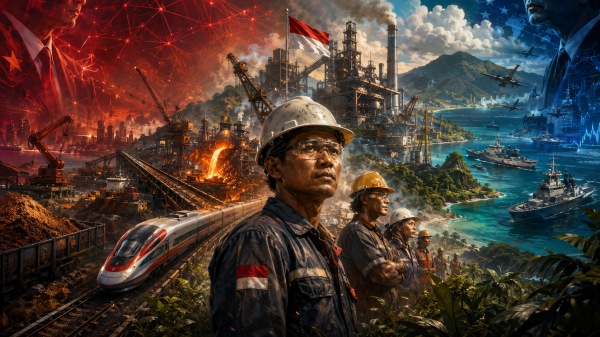
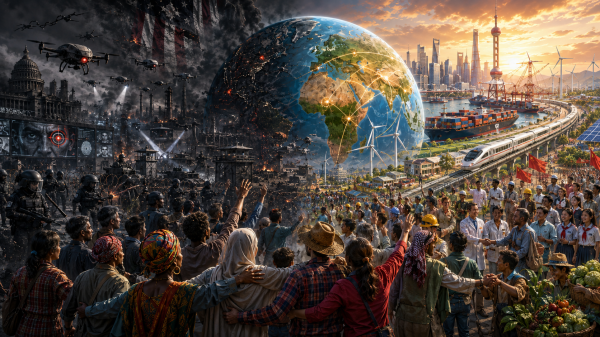
China's transformation from a mere assembly line to a powerhouse of intelligent manufacturing signals a seismic shift that threatens to dismantle the Atlantic monopoly on industrial command. As the U.S. responds with sanctions and technological blockades, the real battle unfolds over who controls the future of AI and automation. This is not merely an economic transition; it's a clash of ideologies. The West fears a new geopolitical order where technological sovereignty empowers the Global South, undermining imperial hierarchy. While intelligent manufacturing holds the potential for collective liberation, unchallenged monopoly control risks deepening exploitation. The future demands that humanity wrests command from corporate hands, reshaping technology for collective progress.

Great Satan at the Strait: Iran, International Law, and the Collapse of the “Rules-Based Order”

In a tale of diplomacy that sounds more like a sitcom plot, the Associated Press managed to frame U.S.-Israeli power plays as polite conversation while depicting Iran’s resistance as a chaotic tantrum. Imagine a landlord demanding rent while simultaneously hammering a "peace" sign into the wall—classic! The article promotes a narrative where blocking a nation is just “maritime security,” leaving readers to wonder if the actual level of aggression got lost in translation. Amid drones and oil price panic, the main issue lurking around like an unwelcome relative is whether nations can truly be sovereign or if they must politely obey the empire’s whims. It's a comedy of imperial contradictions, where legality bends more than a yoga instructor under pressure!

The Return of the State: How Industrial Policy Became a Weapon of Global Power

An emerging “consensus” around industrial policy masks a deeper ideological project disciplining development within the boundaries of global capital. The material reality reveals a world defined by subsidy wars, coercion, and uneven development, where state intervention is already reshaping the global economy. China stands at the center of this contradiction as a socialist-led state navigating... Continue Reading →

Manufacturing a “Xi Doctrine”: How Imperial Analysis Distorts China’s Development Strategy

A think tank narrative repackages China’s Five-Year Plan as a leader-driven doctrine, masking its institutional and historical character. The actual policy reveals a multi-dimensional strategy shaped by domestic priorities and external pressure. This transition reflects a deeper socialist development process unfolding through contradiction, not confusion. Across multiple fronts, emerging forces are beginning to resist the... Continue Reading →

The Lithium Frontier: Empire, Oligarchs, and the Struggle for the Salt Flats of the Andes

Beneath the investor narratives of strategic minerals and geopolitical competition lies a deeper struggle over land, labor, and sovereignty. As the global economy reorganizes itself around electrification and battery technology, the salt flats of the Andes have become a new frontier in the long history of resource extraction in Latin America — where communities, states,... Continue Reading →

Axel Springer, the Africa Finance Corporation, and the Vault: Gold, Monetary Anxiety, and the Battle Over Who Controls the Chain

A trillion dollars in untapped gold is sold as opportunity in an age of financial instability. The numbers glitter, but the narrative abstracts extraction from labor, land, and history. Reserve accumulation rises alongside illicit outflows, smuggling networks, and toxic exposure. The real struggle is not over gold in the vault, but over who governs the... Continue Reading →

“We Don’t Please East or West”: African Sovereignty Speaks While the Rules-Based Order Breaks

At a summit built to “shape future governments,” African heads of state confront old imperial binaries inside a new architecture of power. Tucker Carlson presses the familiar frames—China versus the West, democracy as sermon, race as property—while sanctions, AI infrastructure, and development finance reveal the harder machinery beneath the talk. Zimbabwe’s discipline, Sierra Leone’s education... Continue Reading →

Website Powered by WordPress.com.

Up ↑