The Empire Calls Resistance Subversion: Cuba and Washington’s War on Revolutionary Consciousness

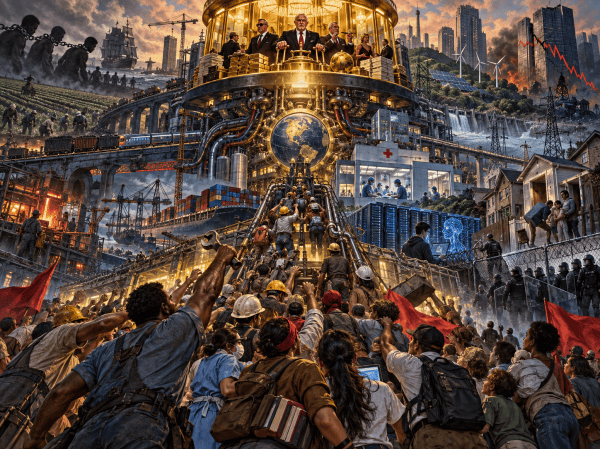
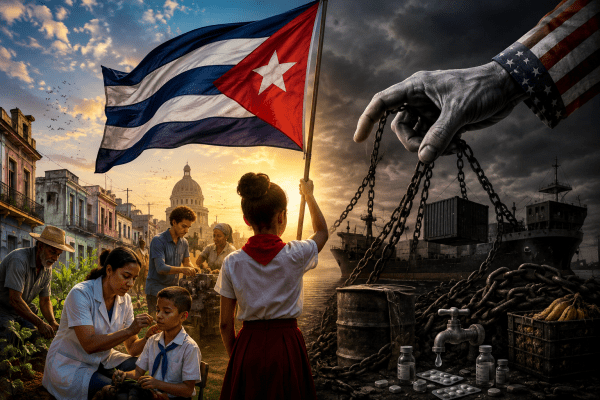
The State Department's report conflates documented espionage with a sweeping indictment of social movements, branding students, revolutionaries, and dissenters as part of a conspiracy orchestrated from Cuba. This narrative denies local struggles against oppression, instead framing resistance as a foreign-directed plot, thus erasing historical context and the material origins of dissent. The document's loose connection between Cuba's influence and contemporary activism serves as a McCarthyite tool against American dissent. By equating genuine political engagement with espionage, it aims to squash revolutionary consciousness and reinforce the status quo, revealing the empire's fear that the oppressed might unite and resist independently.

The Blockade’s Market Miracle: How Washington Starves Cuba, Then Calls the Hunger Socialism

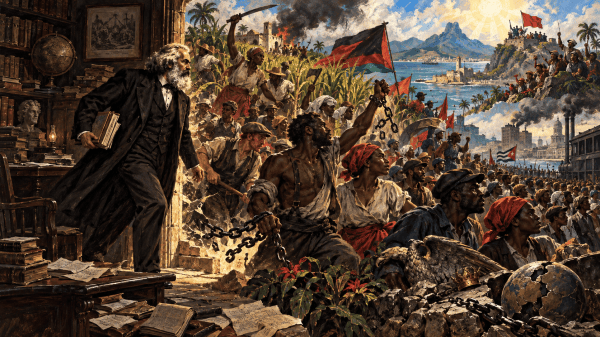
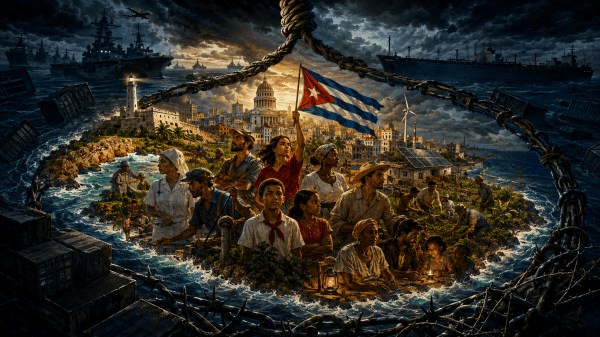
CBS/AFP’s portrayal of Cuba’s recent economic reforms is less about facts and more about constructing a narrative that favors imperialism. Framing these reforms as desperate "free-market" concessions, the article ignores the U.S. blockade's true role in choking Cuba's economy while painting socialism as a failed ideology. This reporting reduces complex realities into a morality tale that absolves the U.S. of accountability, instead distilling Cuba's struggles into proof of its socialist inadequacy. Ultimately, the real story is one of resilience: a nation striving for autonomy amid relentless imperial domination, desperately attempting to balance limited market adaptations without surrendering sovereignty.

Starve the Island, Blame the System: Cuba and the Logic of Imperial Warfare

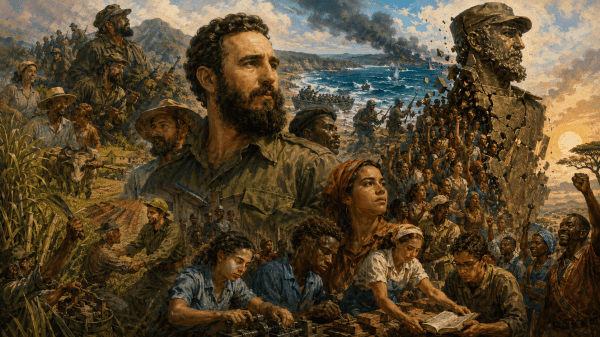
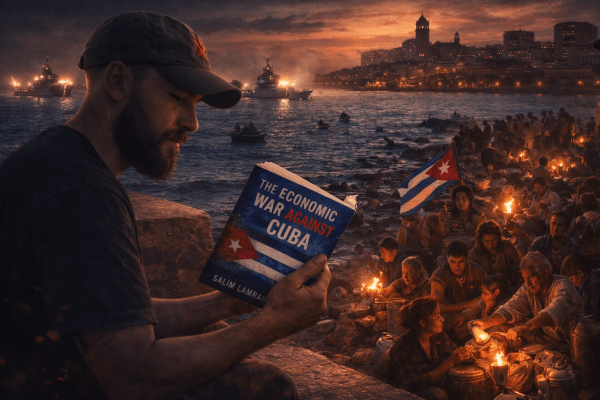
The Associated Press's portrayal of Cuba's economic reforms as an admission of socialism's failure belies the truth: these changes emerge from a relentless siege engineered by U.S. imperialism. While Cuba navigates fuel shortages and food insecurity, it confronts an economic warfare strategy designed to instigate hunger and political capitulation. The AP article obscures the genuine reform efforts by presenting them as a retreat from ideology, framing Washington as a reasonable negotiator rather than an aggressive adversary. Cuba's struggle isn't merely to reform; it's a fierce fight for sovereignty against an oppressive narrative that seeks to suffocate its revolutionary spirit.

Cuba Will Not Kneel: Trump, The New York Times, and the Contradictions of the American Pole

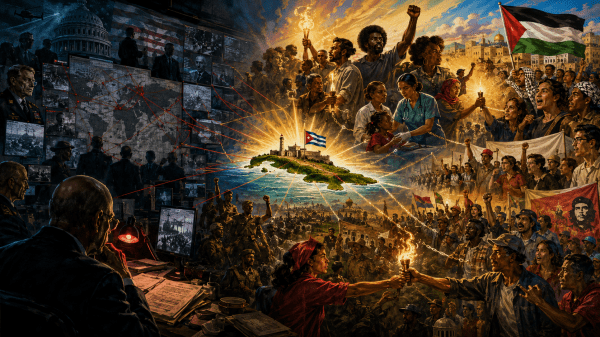
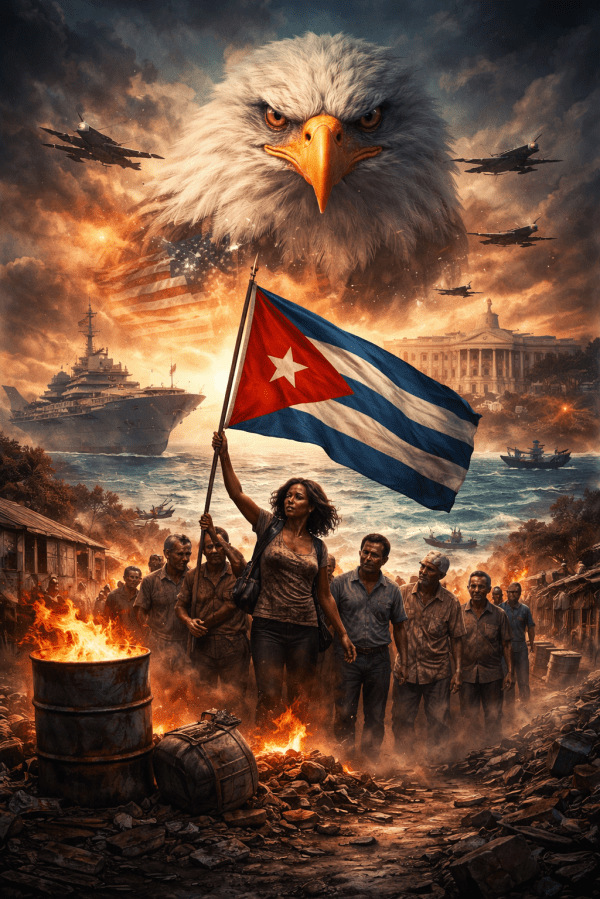
The New York Times launders U.S. regime-change demands into the language of negotiation, masking domination as diplomacy. Beneath the narrative, a coordinated campaign of economic strangulation—especially through energy chokepoints—reveals deliberate coercion, not Cuban failure. This pressure is part of a broader imperial recalibration: the consolidation of Fortress America as a hemispheric bloc under U.S. control.... Continue Reading →

Website Powered by WordPress.com.

Up ↑