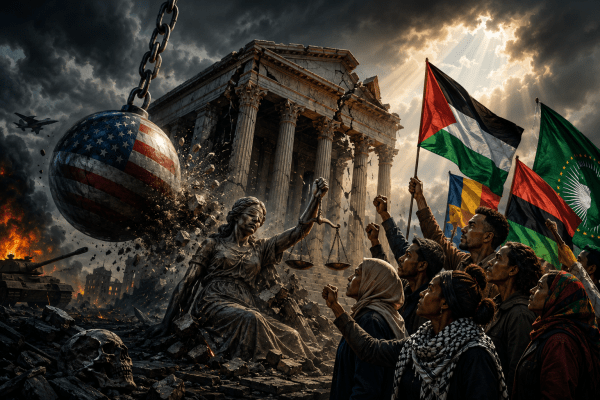
Settlers in the Wreckage: J. Sakai, Technofascism, and the War for the Future

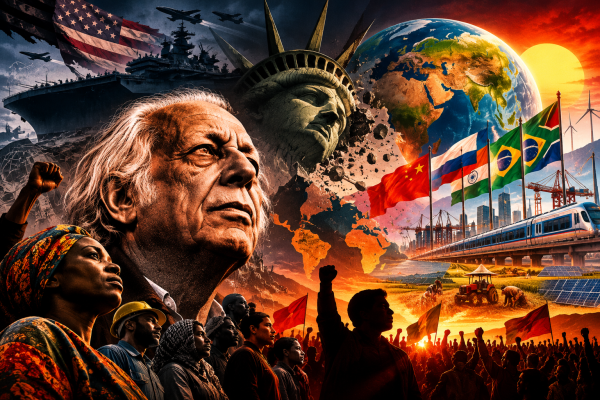
J. Sakai’s interviews force the U.S. left to confront the settler-colonial foundations it has spent generations avoiding. His analysis exposes the myth of the revolutionary white proletariat, the collapse of liberal illusions, and the expansion of war into every domain of life. But Weaponized Information pushes further, grounding his insights in monopoly finance capital, technofascism,... Continue Reading →

Fault Lines of Empire: U.S. Strategy, Pakistani Class Power, and the Crisis of Sovereignty

Asia Times frames Pakistan’s instability as a strategic obstacle, obscuring the material and political forces shaping the terrain. The crisis emerges from IMF austerity, elite domination, climate catastrophe, and a deepening political rupture following the coup against Imran Khan. Imperialist recalibration collides with multipolar transition, exposing the struggle between sovereignty and neocolonial extraction. Workers, peasants,... Continue Reading →

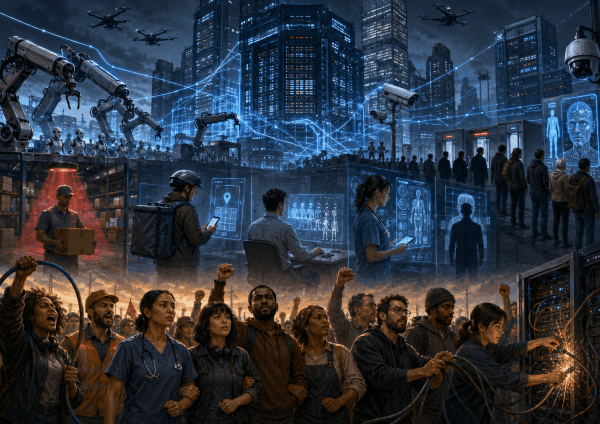
Apples to Apples: Superexploitation from Orchards to iPhones

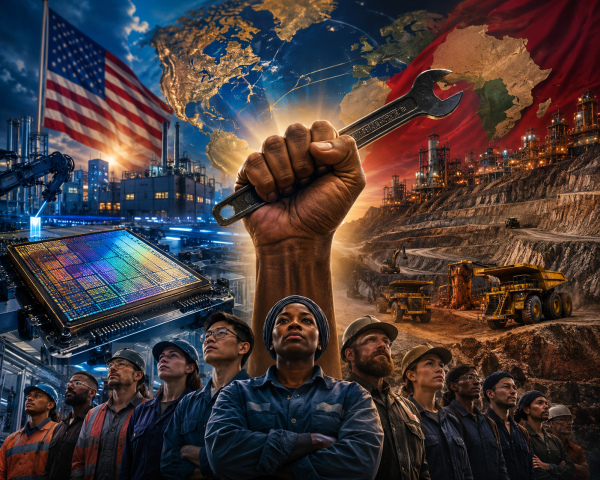
What appears to be a comparison between two unrelated commodities—apples picked in U.S. orchards and Apple devices assembled across the Global South—is in fact a comparison between two forms of the same capitalist-imperialist labor regime. In U.S. agriculture, superexploitation is organized through settler-colonial land relations, racialized migrant labor, H-2A dependency, deportability, and the broader coercive... Continue Reading →

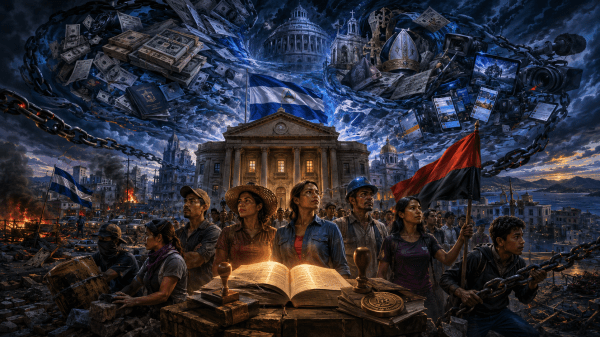
Empire at the Doorstep: How the Narco War Becomes a License to Penetrate Sovereignty

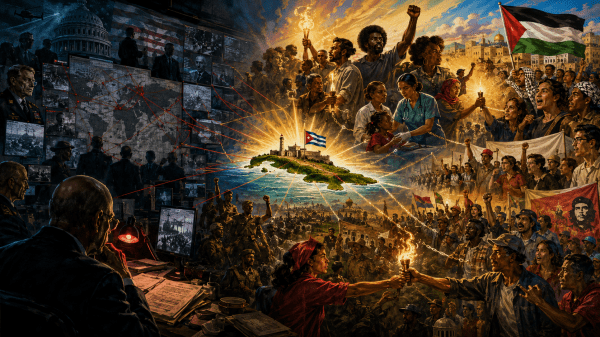
What appears as a tragic incident in Chihuahua is exposed as a carefully managed narrative that obscures the presence of foreign power operating inside Mexico. The factual record reveals a dense security architecture where intelligence, surveillance, and training pipelines blur the line between cooperation and control. Stripped of illusion, the episode reflects a deeper contradiction... Continue Reading →

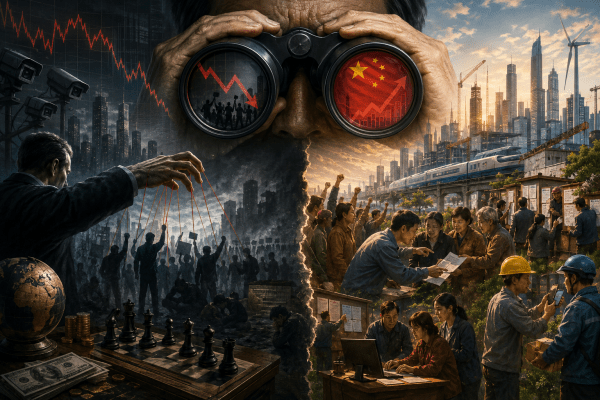
Concrete and Control: Imperial Media vs Sovereign Development in the China–Cambodia Energy Nexus

This essay excavates how Western energy media transforms a Cambodian hydropower project into a geopolitical morality play, recoding sovereign development as “Chinese influence.” It reconstructs the material reality beneath that narrative: fuel dependence, state planning, bilateral agreements, regional grid integration, and the political economy of infrastructure. It then reframes the project as a node in... Continue Reading →

The Return of the State: How Industrial Policy Became a Weapon of Global Power

An emerging “consensus” around industrial policy masks a deeper ideological project disciplining development within the boundaries of global capital. The material reality reveals a world defined by subsidy wars, coercion, and uneven development, where state intervention is already reshaping the global economy. China stands at the center of this contradiction as a socialist-led state navigating... Continue Reading →

Leverage for Whom?: Bangladesh, Multipolarity, and the Managed Art of Dependence

Asia Times doesn’t just argue for strategy—it reframes dependency as sophistication, urging Bangladesh to negotiate its place in a system it does not control. Beneath the language of leverage lies a material reality of export concentration, external inputs, financial discipline, and geopolitical pressure shaping every move. Multipolarity opens space—but only within limits, where new alignments... Continue Reading →

The World System Before European Hegemony: How the West Hijacked a System It Did Not Build

Janet Abu-Lughod's "Before European Hegemony" ruthlessly dismantles the myth that Europe rose to global prominence due to inherent superiority or brilliance. Instead, it reveals a pre-existing world economy crafted by diverse, thriving civilizations from which Europe, late to the game, benefited through exploitation and rupture. By tracing this narrative, Abu-Lughod forces us to confront uncomfortable truths: Europe did not create history; it emerged through the erosion of powerful systems created by others. History wasn’t predestined; it was violently reshaped.

Africa Against the World Market: Hosea Jaffe, Imperialism, and the Long Struggle for Liberation

A Weaponized Intellects review of A History of Africa that excavates Hosea Jaffe’s uncompromising analysis of colonialism, class formation, and imperial domination—situating his intervention within the liberation struggles of his time and assessing its enduring relevance for understanding Africa, the world system, and the unfinished project of revolutionary transformation today. By Prince Kapone | Weaponized... Continue Reading →

Website Powered by WordPress.com.

Up ↑