Peace Board, Prison Yard: Gaza’s Handover Trap
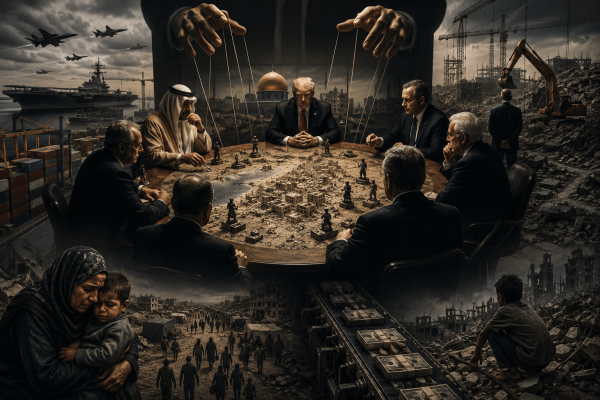
The Guardian frames Hamas’s offer to hand over Gaza’s civil administration as a possible opening in a stalled peace process, but its article launders U.S.-backed governance as neutral transition. The buried facts show a Board of Peace built through U.S. command, Israeli security conditions, Gulf logistics capital, legal immunity, and reconstruction leverage. The real story... Continue Reading →

The Mercy Department: How USAID Laundered Empire Through the NGO-Industrial Complex

USAID did not simply deliver humanitarian aid—it institutionalized a model of empire that fused relief, civil society, media, governance, and development into the machinery of U.S. foreign policy. Excavating an NPR interview with former USAID Administrator Samantha Power, this essay exposes how liberal narratives of compassion obscure the agency's role inside the broader NGO-industrial complex. Drawing on anti-imperialist scholarship and Global South perspectives, it argues that the real choice is not between aid and no aid, but between imperial dependency and sovereign development. The struggle ahead is to defend the people harmed by aid cuts while dismantling the donor architecture that transforms solidarity into supervision.

Communists and Patriots: The Flag, the Class, and the Lie of Imperial Nationalism

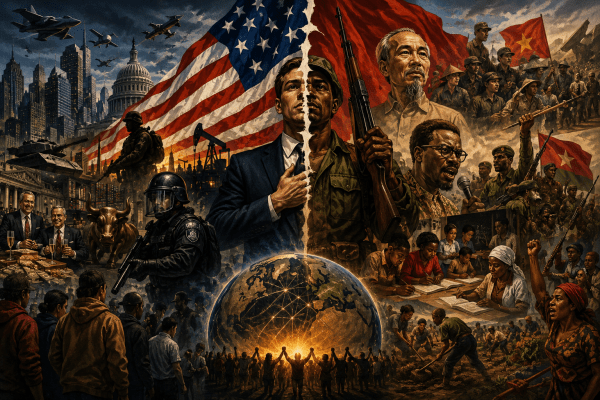
Trump says you can be a communist or a patriot—but not both. This essay exposes the historical fraud buried inside that slogan. By reconstructing the nation through historical materialism, it shows that nationalism has never possessed a fixed political content. In oppressed nations, communists repeatedly became the truest patriots because the struggle for national liberation demanded the overthrow of colonialism, imperialism, and comprador rule. In imperialist nations, however, nationalism serves the opposite function: binding workers to the ruling class and its global system of domination. The real contradiction is not between communism and patriotism, but between imperial patriotism and the liberation of the people.

The End of the Quarry: Africa’s Critical Minerals and the Limits of Imperialism

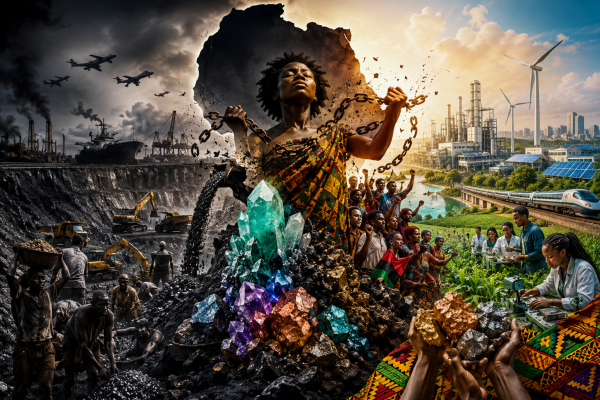
Africa is sitting on a treasure trove of critical minerals vital for the future of technology and energy, yet continues to be stymied by outdated infrastructure and foreign control. McKinsey’s report highlights the potential for $40 billion in mining value, but fails to confront the core issue: Africa’s continued subjugation as a resource mine rather than a sovereign player. This narrative masks Africa’s political struggles and reinforces colonial patterns under a veneer of opportunity. The necessity for a continental strategy emerges as a means to reclaim economic power and transform the mineral wealth from a tool of exploitation into a foundation for self-determination and industrial capability. The danger lies not in missed opportunities, but in repeating the same historical mistakes that have kept Africa relegated to mere supplier status.

The National Question Under Siege: How the New Cold War Weaponizes China’s Ethnic Contradictions

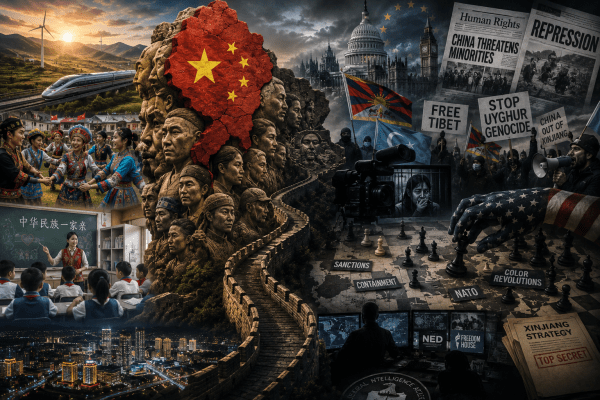
The New York Times frames China’s ethnic unity law as a blatant act of repression against minorities, echoing a Cold War moral narrative. Yet, this interpretation overlooks the historical and political complexities faced by a socialist state trying to maintain unity amidst the legacies of imperialism and foreign interference. The law seeks to counteract separatism and assert national sovereignty, but critics argue it risks bureaucratic assimilation of diverse ethnic identities. Ultimately, the struggle over the national question lies not in simplistic moral judgments, but in addressing imperialism's manipulative strategies while safeguarding genuine autonomy and cultural integrity within China's socialist framework.

Axis of Sovereignty: Why China, Russia, Iran, and the DPRK Terrify the Empire

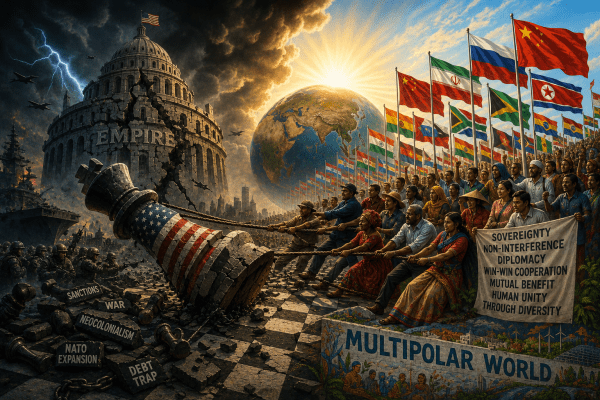
In a provocative shake-up, Foreign Affairs describes China, Russia, Iran, and DPRK as a nascent threat, labeling them "worse than an axis." This insinuation reveals a deep-seated imperial anxiety rather than a justified concern over a military conspiracy. These nations are forging multipolar alliances that challenge Western hegemony—an act of sovereign defiance unsettling the imperial status quo. The article underscores an inherent fear of an empowered Global South, no longer obedient to the West’s dictate. It’s not about a looming conquest but about nations rising to reclaim their sovereignty, thus threatening the very structure that sustains Western dominance. Forget the “axis” narrative; recognize the emerging world order as a potential liberation movement for the oppressed.

The Development Racket: How the World Bank Repackages Empire in Burkina Faso

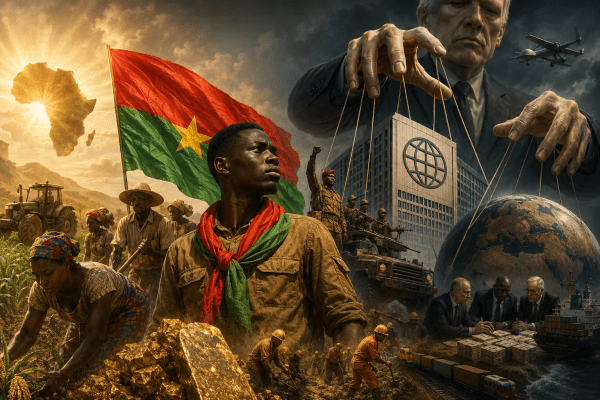
The World Bank's report on Burkina Faso masquerades as a beacon of growth while burying the sinister realities of imperialism and neoliberal domination. Beneath the polished metrics of economic success lies a nation striving for food and resource sovereignty, grappling with the vestiges of colonial exploitation. This report, cloaked in the language of reform, manipulates narratives to maintain control, ignoring the voices of those truly affected. Burkina Faso’s fight against the systems that dictate their development is not a mere economic story; it's a battleground for sovereignty, pitting genuine progress against imperial interests that aim to manage rather than liberate.

Same Boss, New Contract: USMCA and the Empire’s Grip on Mexico and Canada

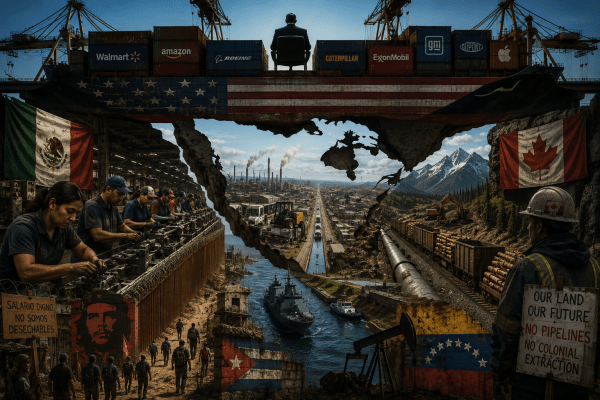
NBC's portrayal of Trump's refusal to renew the USMCA is more than a mere disruption in trade; it’s a calculated move to establish an iron grip over North America. The article frames this as instability, ignoring the deeper narrative of imperial ambition where trade agreements become tools for coercion. The U.S. isn't retreating; it's reconfiguring the continent, tightening control over Mexico and Canada while excluding China from the fold. Workers from all sides suffer under this new order while corporate interests thrive unchallenged. Ultimately, this is not a story of chaos but of empire reshaping subjugation—inviting you to witness the birth of Fortress America instead of its decay.

The Red Scare Has a Filing Cabinet: CNN, Communism, and the Policing of American Thought

CNN turns deleted tweets into an anti-communist dossier while burying the housing, healthcare, immigration, education, and antiwar demands that made Darializa Avila Chevalier’s campaign matter. The article inherits a long U.S. tradition where communism is treated not as a political position but as contamination. The real story is capitalism’s fear that workers might learn the... Continue Reading →

The Hunger Chain: How Trump Feeds Capital and Disciplines the Hungry

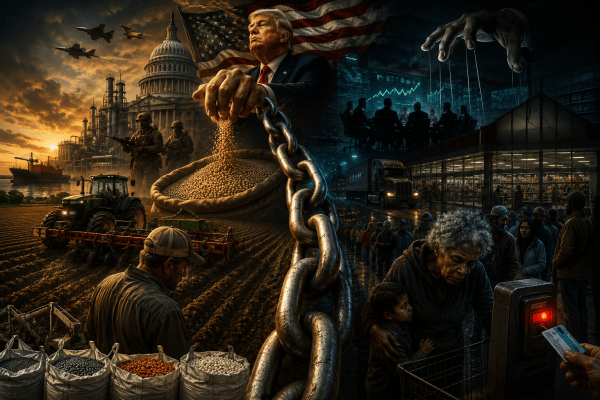
In a striking reveal, Fox celebrates Trump's fertilizer emergency as a boon for farmers, yet this facade obscures the underlying fragility of our food system reliant on state intervention. While fertilizer access gets prioritized, the true cost is hidden: a monopolized market where agribusiness thrives as workers face hunger, suspicion, and administrative punishment. Trump's regime twists food security into a mechanism for capital gain, revealing a stark disparity in state response; when profit is threatened, intervention is swift, but when workers struggle for sustenance, they face scrutiny. The urgent call is for food power—community sovereignty, mutual aid, and a radical rethinking of food as a right, not a commodity.

Website Powered by WordPress.com.

Up ↑