Communists and Patriots: The Flag, the Class, and the Lie of Imperial Nationalism
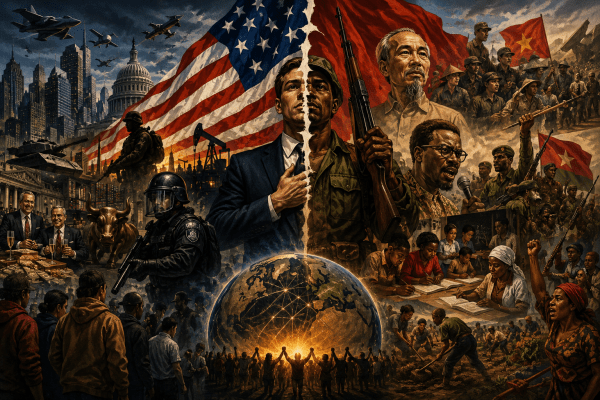
Trump says you can be a communist or a patriot—but not both. This essay exposes the historical fraud buried inside that slogan. By reconstructing the nation through historical materialism, it shows that nationalism has never possessed a fixed political content. In oppressed nations, communists repeatedly became the truest patriots because the struggle for national liberation demanded the overthrow of colonialism, imperialism, and comprador rule. In imperialist nations, however, nationalism serves the opposite function: binding workers to the ruling class and its global system of domination. The real contradiction is not between communism and patriotism, but between imperial patriotism and the liberation of the people.

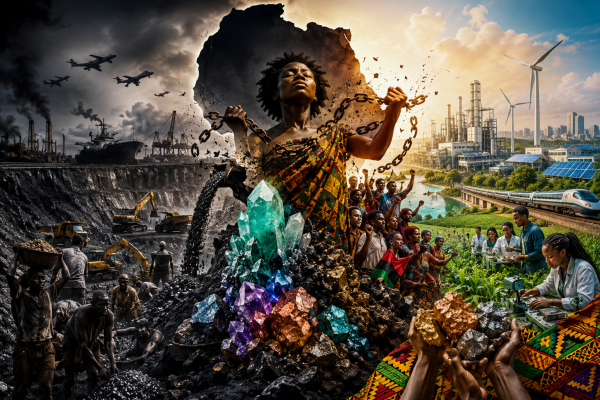
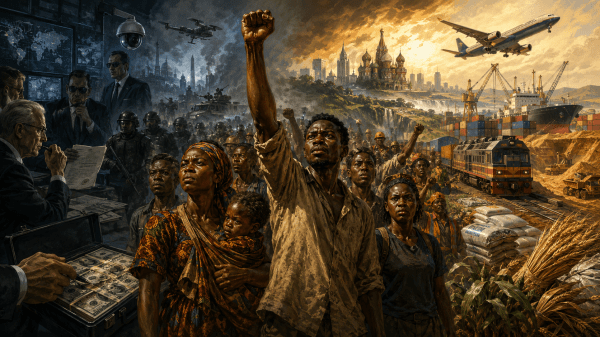
The End of the Quarry: Africa’s Critical Minerals and the Limits of Imperialism

Africa is sitting on a treasure trove of critical minerals vital for the future of technology and energy, yet continues to be stymied by outdated infrastructure and foreign control. McKinsey’s report highlights the potential for $40 billion in mining value, but fails to confront the core issue: Africa’s continued subjugation as a resource mine rather than a sovereign player. This narrative masks Africa’s political struggles and reinforces colonial patterns under a veneer of opportunity. The necessity for a continental strategy emerges as a means to reclaim economic power and transform the mineral wealth from a tool of exploitation into a foundation for self-determination and industrial capability. The danger lies not in missed opportunities, but in repeating the same historical mistakes that have kept Africa relegated to mere supplier status.

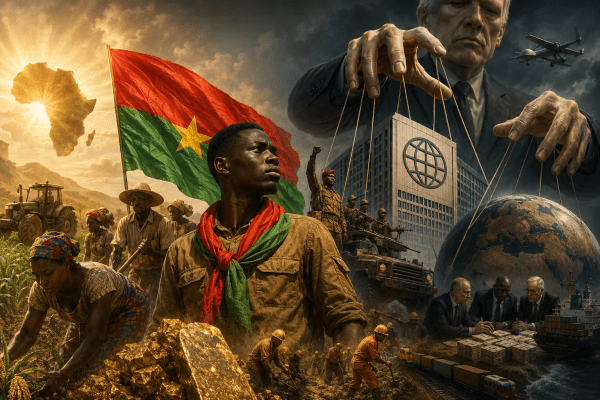
The Development Racket: How the World Bank Repackages Empire in Burkina Faso

The World Bank's report on Burkina Faso masquerades as a beacon of growth while burying the sinister realities of imperialism and neoliberal domination. Beneath the polished metrics of economic success lies a nation striving for food and resource sovereignty, grappling with the vestiges of colonial exploitation. This report, cloaked in the language of reform, manipulates narratives to maintain control, ignoring the voices of those truly affected. Burkina Faso’s fight against the systems that dictate their development is not a mere economic story; it's a battleground for sovereignty, pitting genuine progress against imperial interests that aim to manage rather than liberate.

One Colony, Two Ships: How Liberal History Splits What Capitalism Built

James Traub's exploration of America's dual origins through the Mayflower and the White Lion is dangerously simplistic. He perpetuates a narrative of moral dichotomy, ignoring the harsh reality that both journeys fueled a settler-capitalist machine built on land theft and enslavement. The framing minimizes Indigenous dispossession and reduces oppressed voices to mere historical subjects. This liberal attempt at reconciliation fails to confront the brutal interdependence between North and South, leaving unchallenged the systemic inequities rooted in conquest and exploitation. Rather than embracing a flawed myth of unity, America must confront its history to dismantle the ongoing consequences of its oppressive foundations.

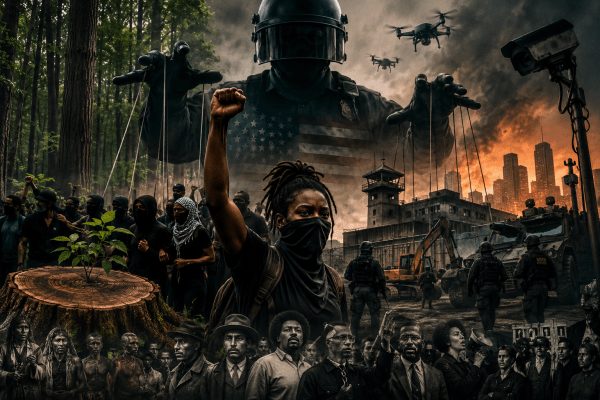
Cop City Is the Counterinsurgency Campus: How “Antifa” Became the New Name for the Old Domestic Enemy

The Guardian's coverage of Trump's "antifa" prosecutions highlights a covert escalation of systemic repression rather than the emergence of a new threat. While it depicts the federal indictment against Cop City protesters as a shocking maneuver, this is merely the latest play in a long history of state-sponsored violence rooted in colonialism, slavery, and counterinsurgency tactics. The narrative frames Trump as the villain while obscuring the entrenched architecture of oppression that transcends his administration. The real battle lies in organizing effective resistance, connecting various social justice movements, and building robust defense mechanisms amidst a climate poised for increasing militarization and legislative warfare against dissent.

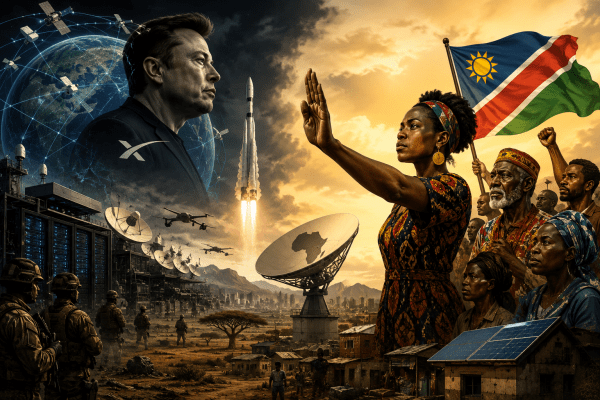
The Sky Is Not for Sale: Namibia, Starlink, and the New Colonial Scramble for Digital Sovereignty

Elon Musk's Starlink faces a serious blow from Namibia as the nation's defense of local ownership laws clashes with corporate expansionism framed as progress. The business press conveniently portrays Namibia's regulations as hurdles to innovation, sidelining the crucial narrative of African sovereignty. This conflict is not merely about internet access but about resisting a new wave of digital colonialism preying on postcolonial nations' rights. As Namibia asserts its regulatory authority in telecommunications, the stakes rise: will Africa's digital future be owned by outsiders or harnessed for the continent's empowerment? The struggle embodies a fundamental question—who controls the gateways to communication and sovereignty?

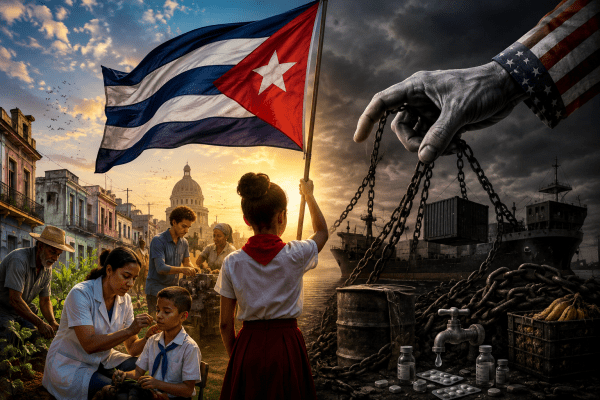
The Blockade’s Market Miracle: How Washington Starves Cuba, Then Calls the Hunger Socialism

CBS/AFP’s portrayal of Cuba’s recent economic reforms is less about facts and more about constructing a narrative that favors imperialism. Framing these reforms as desperate "free-market" concessions, the article ignores the U.S. blockade's true role in choking Cuba's economy while painting socialism as a failed ideology. This reporting reduces complex realities into a morality tale that absolves the U.S. of accountability, instead distilling Cuba's struggles into proof of its socialist inadequacy. Ultimately, the real story is one of resilience: a nation striving for autonomy amid relentless imperial domination, desperately attempting to balance limited market adaptations without surrendering sovereignty.

Hands Off Tanzania: The West Discovers Democracy When Africa Stops Asking Permission

Tanzania's diplomatic dance with Russia unveils a stark reality: while Western media narrows the narrative to a disobedient state seeking validation from imperial powers, the true story is a nation striving for sovereignty and survival. President Hassan’s trip, framed as a scandal by Western outlets, masks the pressing needs of food security, trade, and military cooperation. The West frames Africa’s foreign policy through its lens, yet Tanzania’s pursuit of diverse partnerships challenges this monopoly. This isn’t merely about a president’s reputation; it’s about a country's right to self-determination. The true scandal? Tanzania’s defiance shakes colonial chains, invoking both anxiety and resentment from its former overseers.

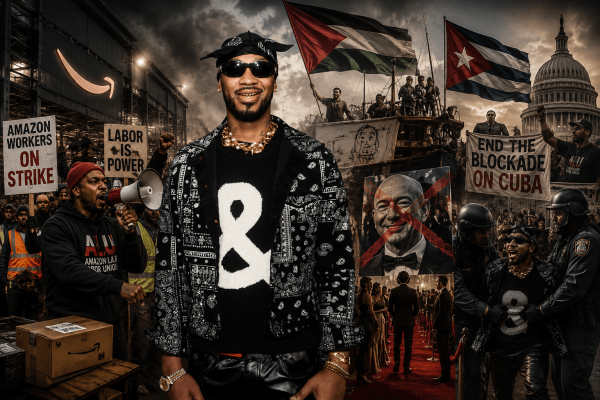
They Called It Ego: Jacobin, Chris Smalls, and the Policing of Black Anti-Imperialist Labor

Chris Smalls, once heralded as a labor hero, now finds himself a casualty of overblown ego in the eyes of Jacobin. Yet, this portrayal dangerously obscures a deeper truth: his evolution from solely confronting Amazon to advocating for Palestinian and Cuban solidarity reveals an unsettling fear among the respectable Left. They're comfortable with labor militancy as long as it remains contained and domesticated; once it branches into anti-imperialism, they recoil. Smalls symbolizes a challenge to the status quo, an unfiltered confrontation with empire that threatens to redefine labor politics as an international struggle. In essence, the fear of a Black worker embracing a global perspective exposes the fragile backbone of contemporary Leftist thought.

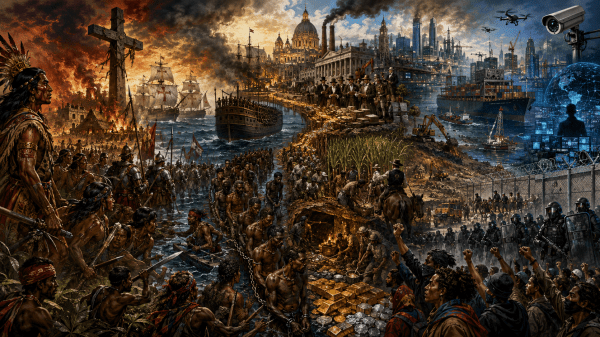
The World Was Not Discovered: Genocide, Slavery, and the Birth of Capitalist Empire

History is often told from the perspective of conquerors, romanticizing imperialism as a noble endeavor of “discovery.” However, this narrative ignores the vibrant, complex societies that existed long before European arrival; civilizations rich in culture and knowledge prepared to resist. The so-called “Age of Discovery” merely facilitated violent conquest, genocide, and exploitation. Colonialism and capitalism are intertwined, with wealth extracted through enslavement and land theft, while underdevelopment in colonized regions resulted from this systematic violence. Today, the consequences of colonialism persist, as neo-colonial strategies manipulate economies and suppress sovereignty. To reclaim the future, societies must confront this history, recognize the pain of oppression, and organize for a just world, free from the chains of empire.

Website Powered by WordPress.com.

Up ↑