Cocaine Cowboys and Lithium Indians: Bolivia, the Monroe Doctrine, and the Return of the Colonial Republic

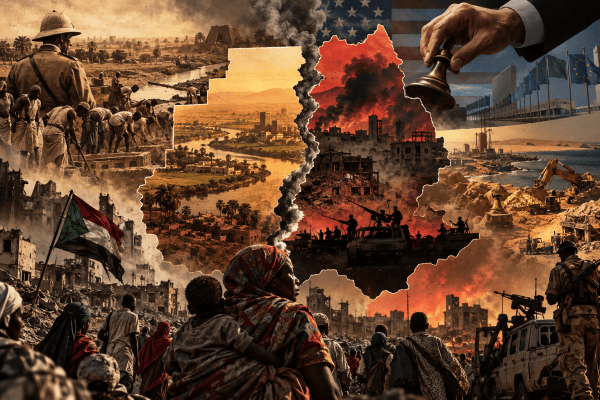
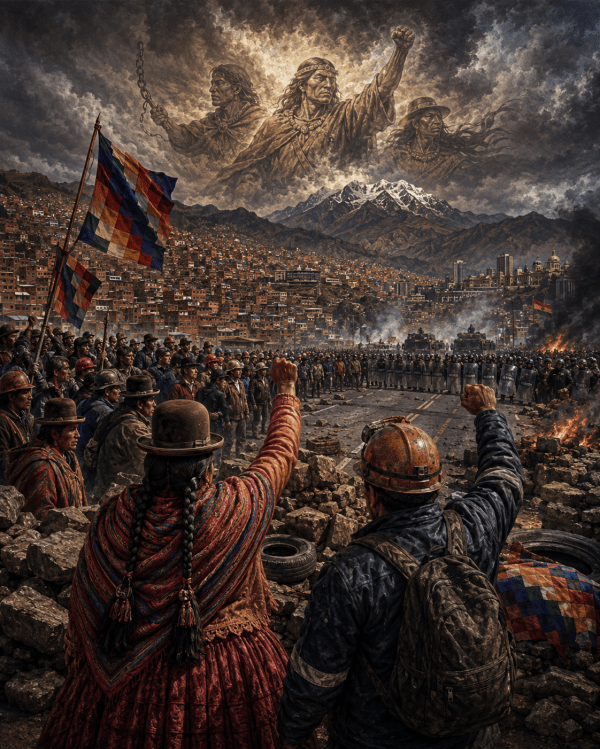
Bolivia is ablaze, but The New York Times misses the mark, framing protests as mere chaos ignited by a presidential betrayal. The truth is far more profound: a collision of historical projects poised for supremacy. Behind the unrest lies a struggle against neocolonial forces, with President Paz's agrarian reforms threatening Indigenous and campesino sovereignty. The culprits are not just disenfranchised voters but a systematic push toward resource extraction and imperialism. The uprising is a collective cry not just for policy change but for self-determination, land rights, and a unified front against re-colonization. The narrative must shift from superficial crisis to deep-rooted rebellion.

Inside the House of Cards: How Empire Manages Crisis Through Memory, Civility, and Myth

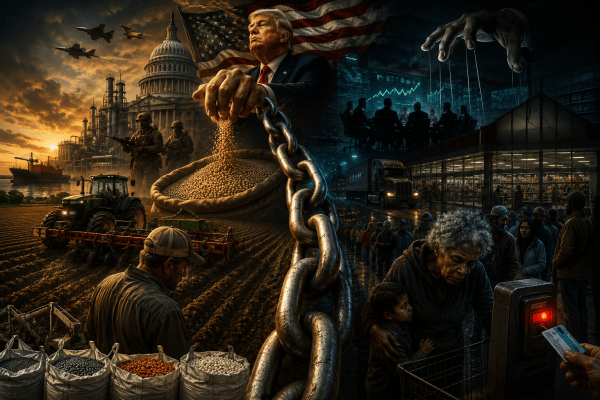
Four former presidents gather under corporate media lights to present democracy as a shared moral inheritance, grounded in unity, civility, and participation. Beneath that performance lies a material history of deregulation, war, surveillance, and repression that produced the very crisis now being discussed. The interview reveals not reflection, but a ruling-class effort to manage legitimacy... Continue Reading →

Reopening the Cage: Bretton Woods Returns to a Country That Refused to Kneel

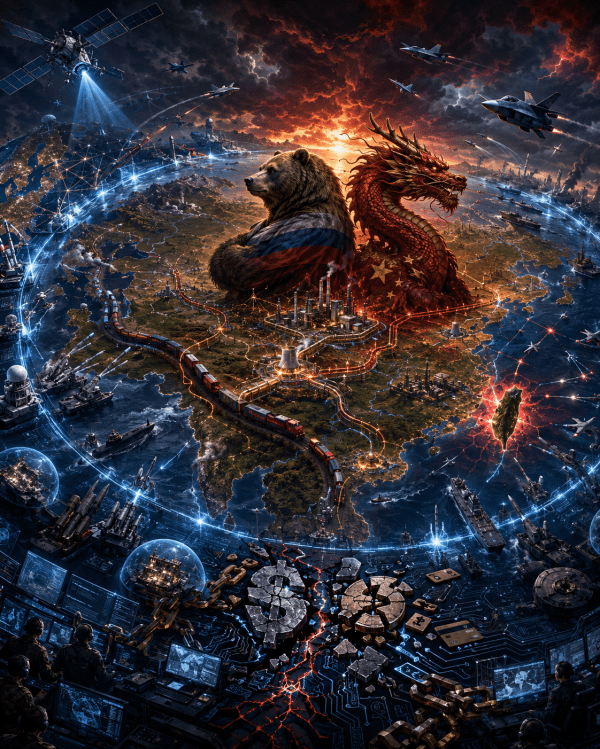
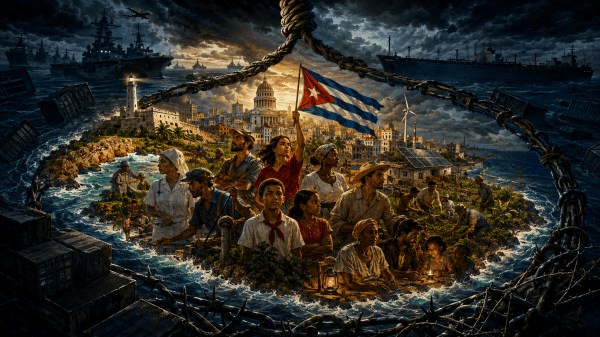
The article presents IMF and World Bank re-engagement as routine normalization, masking a political event shaped by years of institutional blockade and external pressure. Beneath that surface lies a struggle over sovereignty, where constitutional legitimacy, sanctions, and anti-neoliberal memory redefine what “recognition” actually means. The return of global finance collides with a still-living project of... Continue Reading →

Lutnick, Carney, and the Politics of Permission: How USMCA Discipline Turns Trade Into Obedience

A U.S. trade official scolds Canada for stepping outside its assigned lane, revealing how power speaks through “commentary.” The facts show a bounded policy shift unfolding inside an unstable trade and industrial landscape the story refuses to name. Placed in historical and imperial context, the outrage reads less as economics than as enforcement of hierarchy... Continue Reading →

The Economist, the Ruling Class, and the Managed Decline of the West

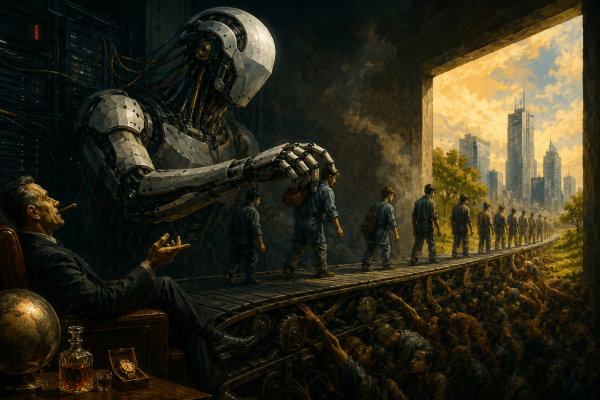
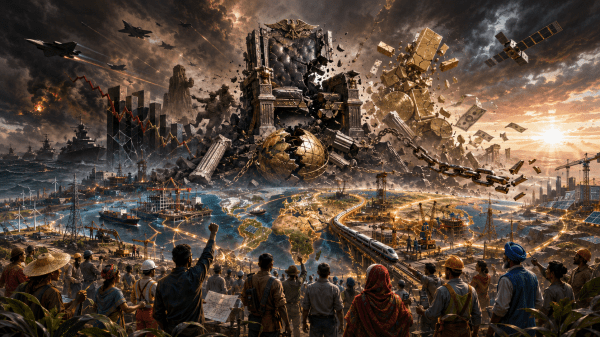
The Economist’s 2026 outlook presents a world of “manageable risks” and “resilient markets,” but behind the technocratic polish lies a deeper reality: an imperial economy held together by tariffs, debt, financial coercion, and speculative bubbles, whose costs are offloaded onto workers and the Global South. This essay excavates the propaganda, exposes the suppressed material foundations,... Continue Reading →

Website Powered by WordPress.com.

Up ↑