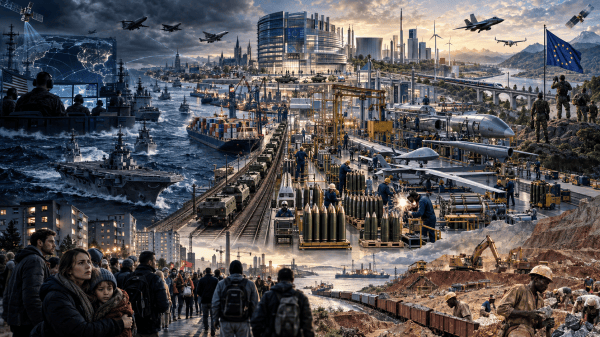
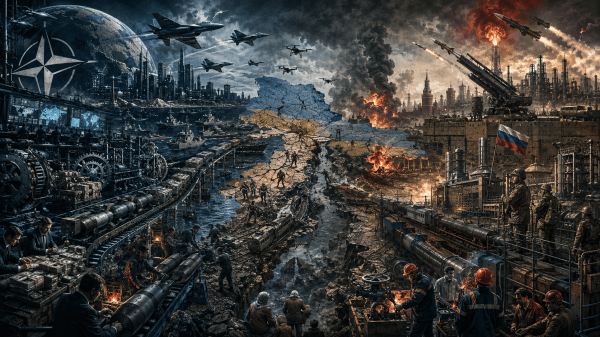
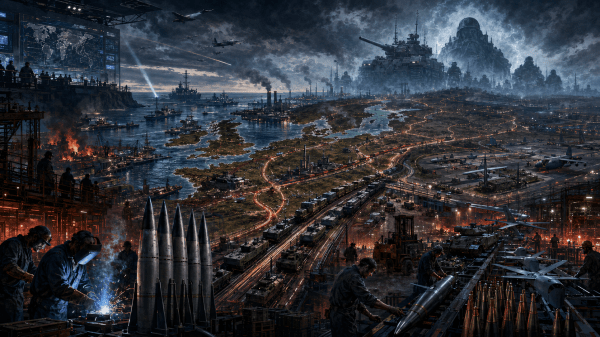
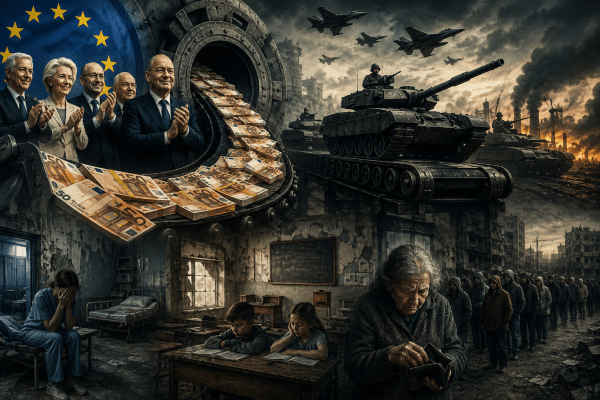
The Arsenal Is Late: Europe’s Ruling Class Discovers There Is Always Money for War

Deutsche Welle cleverly disguises Europe's urgent rearmament as a procurement issue, distracting from the stark reality of militarization overtaking public life. The article's real message isn't about the delays in weapon delivery, but rather the easing of governmental budgets for defense while essential services wither under austerity. It reveals an empire tightening its grip under NATO's command, where social welfare takes a back seat to military expenditure. This narrative won't invite questions about people's needs, but rather about how to improve efficiency in arms production. The specter looms: the increasing normalization of a military-first economy must be resisted, as it's not merely about security, but the reorganization of society around war.

The Rolling Conquest: When Empire Calls Itself Democracy

The alarm over Trump’s so-called “rolling coup” misses the mark, framing it as a betrayal of democracy rather than recognizing it as a byproduct of a long-standing imperial legacy. The machinery wielded now—surveillance, detention, repression—has deep roots in American history, not just Trump’s era. The danger extends beyond authoritarianism; it’s about an empire shifting to open coercion as it faces crisis. The solution isn’t to restore a flawed system but to cultivate organized, anti-imperialist solidarity. It's time for the oppressed to reclaim their agency, defend against state violence, and dismantle the architecture of oppression that fuels this mechanized repression.

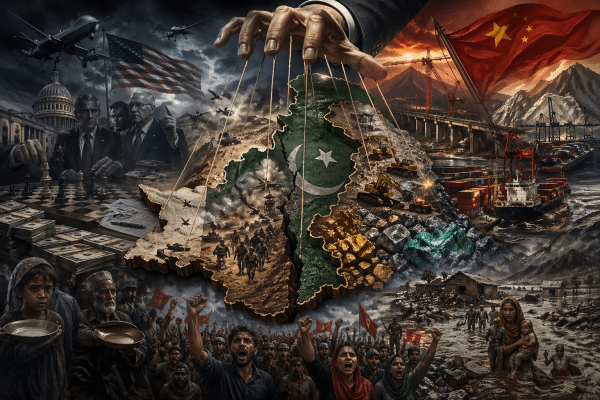
Fault Lines of Empire: U.S. Strategy, Pakistani Class Power, and the Crisis of Sovereignty

Asia Times frames Pakistan’s instability as a strategic obstacle, obscuring the material and political forces shaping the terrain. The crisis emerges from IMF austerity, elite domination, climate catastrophe, and a deepening political rupture following the coup against Imran Khan. Imperialist recalibration collides with multipolar transition, exposing the struggle between sovereignty and neocolonial extraction. Workers, peasants,... Continue Reading →

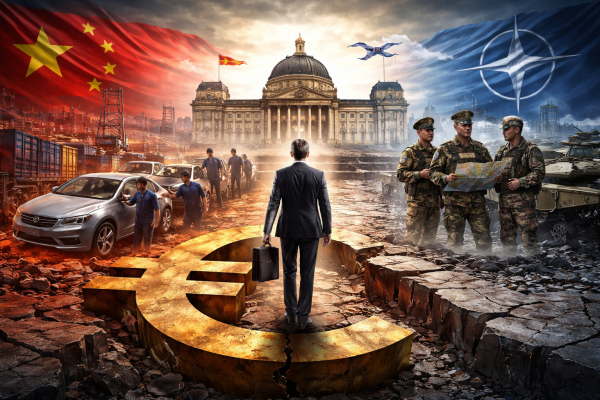
Berlin’s Boardrooms, NATO’s Generals, and Beijing’s Factories: Germany’s Trade Deficit and the Crisis of Imperial Supremacy

A romance metaphor conceals structural strain. The trade ledger exposes export contraction and rising militarization. Industrial rivalry is recoded as security doctrine. Workers and colonized nations confront the costs—and the opening.By Prince Kapone | Weaponized Information | February 19, 2026When the Empire Calls It Heartbreak Our excavation begins with a February 19, 2026 piece from... Continue Reading →

Greenland and the Architecture of Fortress America

How U.S. Homeland Defense, Arctic Chokepoints, and Critical Minerals Are Converging into a New Territorial Imperial ProjectBy Prince Kapone | Weaponized Information | January 11, 2026Greenland Was Never a Joke — It Was a Map of Empire Speaking Out LoudWhen Trump first floated the idea of the United States “acquiring” Greenland, plenty of people laughed... Continue Reading →

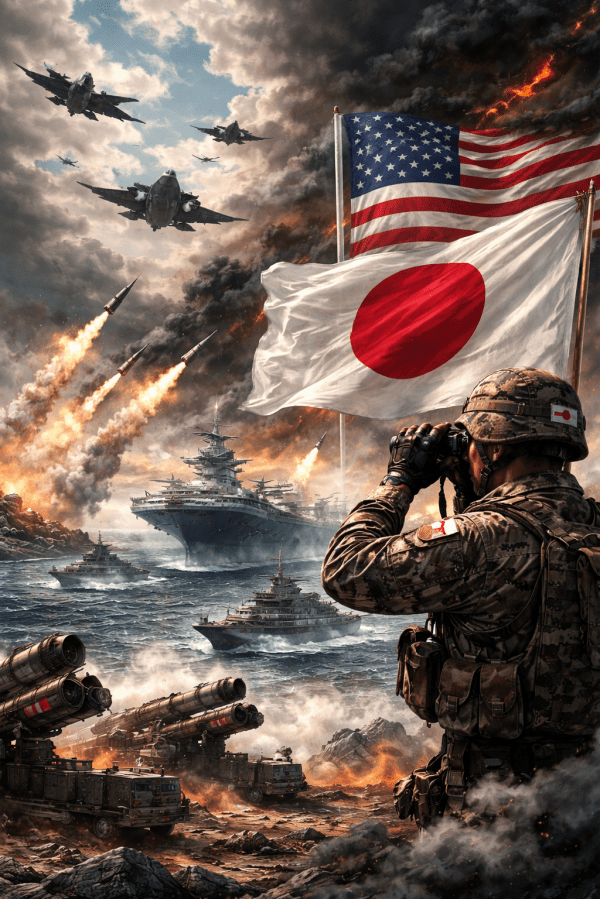
The Quiet Return of the Gun: Japan, the United States, and the Quiet Normalization of War

An Associated Press report presents Japan’s remilitarization as reluctant self-defense rather than a political choice shaped by power. Beneath the calm language, constitutional erosion and alliance discipline are reframed as common sense. Placed in historical and geopolitical context, Japan’s military buildup appears as a reassignment of roles within a U.S.-led imperial order in crisis. Against... Continue Reading →

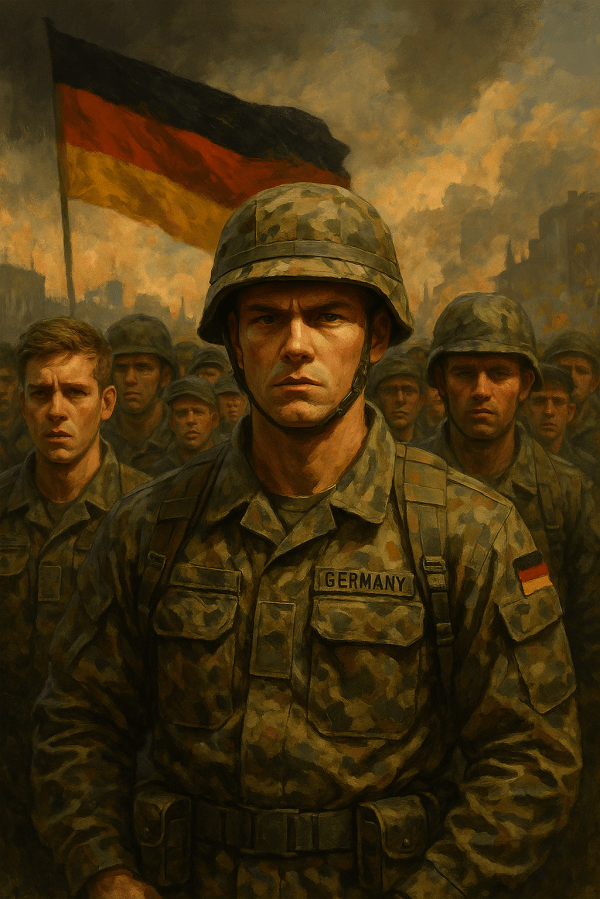
Europe Wants Soldiers, Not Solutions: Germany’s Draft and the Return of the War Economy

CNN dresses Germany’s new conscription regime as common sense, but its language reveals an empire preparing its young for war. Beneath the talking points lies a material crisis: collapsing legitimacy, labor shortages, and NATO’s hunger for bodies. Germany’s rearmament only makes sense when placed within Europe’s deeper imperial recalibration toward austerity and militarized governance. The... Continue Reading →

Website Powered by WordPress.com.

Up ↑