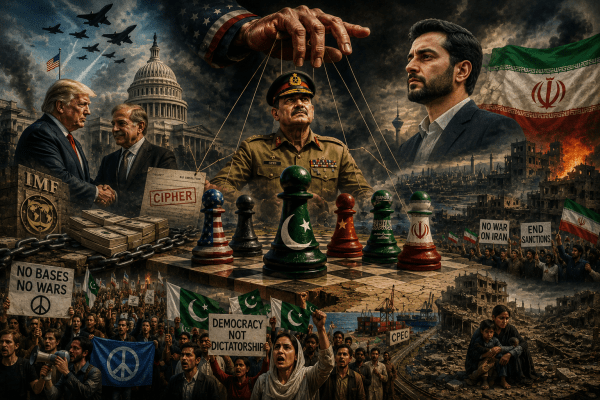
Pakistan’s emergence as a mediator in the U.S.-Iran war is a masquerade, showcasing a military regime, led by Prime Minister Shehbaz Sharif, seeking legitimacy through compliance with U.S. agendas. The facade of diplomacy hides a deeper reality: military-managed governance, manipulative partnerships, and economic subjugation sustained by Western powers. As global dynamics shift, Pakistan's balancing act among rival powers reveals an opportunistic survival strategy rather than genuine sovereignty. This troubling scenario underscores an essential truth: imperialism thrives not through outright violence but via coercive control, shaping a world where authentic peace remains a distant, arguably unattainable ideal.
Good Guys, Bad Guys, and Useful Monsters: America’s Middle East Script Is Falling Apart
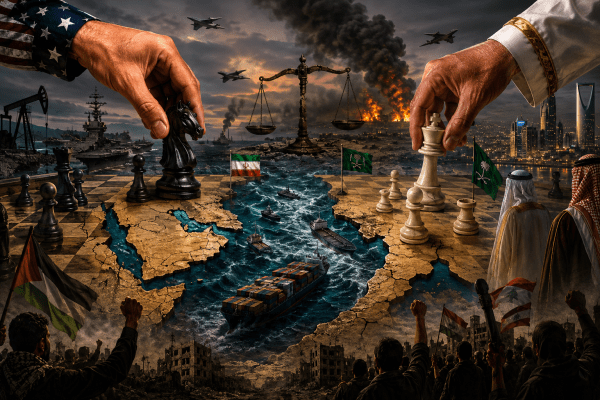
In a region beset by chaos, the Financial Times outlines Saudi Arabia's push for a non-aggression pact with Iran amidst the disarray following the U.S.-Israeli war. This article masquerades as diplomatic insight while delicately sidestepping the imperial roots of the conflict. By framing Iran as the looming threat and sidelining the U.S.'s destabilizing role, it fosters a narrative that propels imperial interests instead of addressing the reality of a fractured Gulf. The urgency is not peace but control, as Gulf states strive to reclaim agency from a suffocating imperial order, revealing that their fate hinges on navigating a treacherously militarized landscape.
The Corridors of Defiance: How the War on Iran Accelerated the Multipolar Reorganization of Western Asia
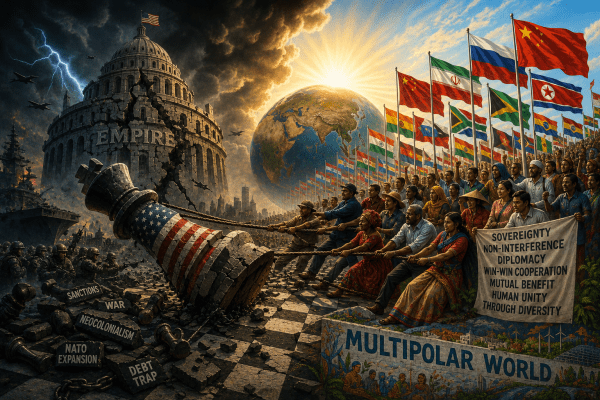
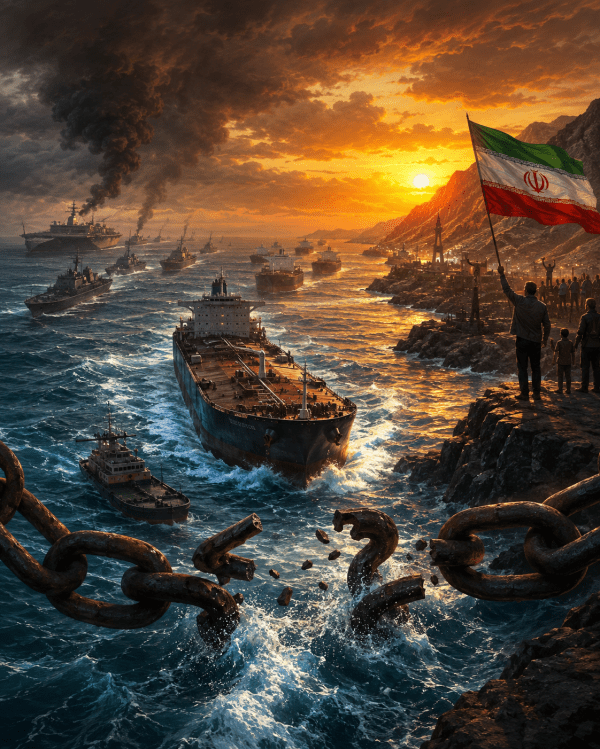
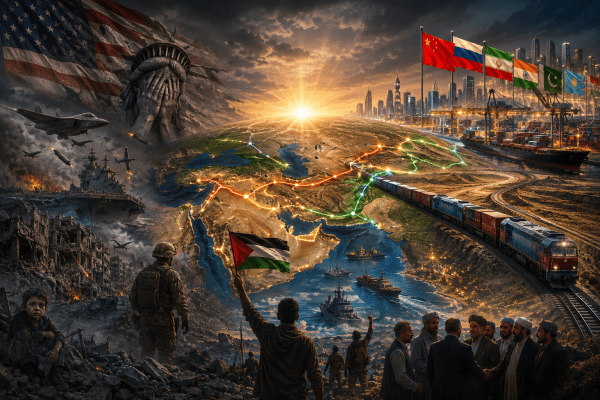
The 2026 U.S.-Israeli assault on Iran was a strategic miscalculation, intended to reassert imperial dominance in Western Asia but instead revealing the fragility of Atlantic hegemony. As the old security architecture eroded, alternative infrastructures and regional alliances emerged, facilitating trade and cooperation beyond Western control. The ongoing crises connected Gaza, Yemen, and the vital sea lanes, illustrating that military aggression has backfired, prompting regional states to recalibrate and seek resilience against imperialism. This war exposed a transformative geopolitical landscape, where logistics and diplomatic maneuvers are increasingly driven by necessity, carving out a multipolar future and undermining the sheer authority once held by the empire.
Fault Lines of Empire: U.S. Strategy, Pakistani Class Power, and the Crisis of Sovereignty
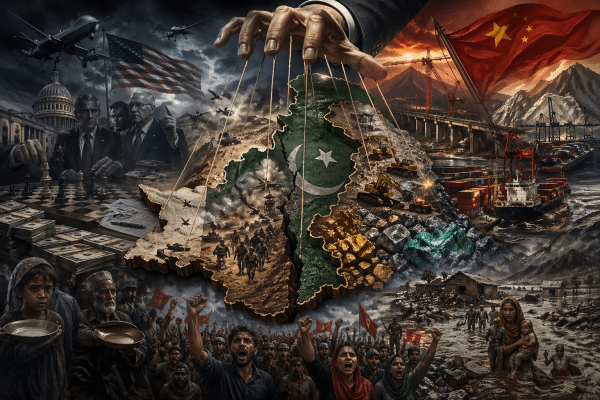
Asia Times frames Pakistan’s instability as a strategic obstacle, obscuring the material and political forces shaping the terrain. The crisis emerges from IMF austerity, elite domination, climate catastrophe, and a deepening political rupture following the coup against Imran Khan. Imperialist recalibration collides with multipolar transition, exposing the struggle between sovereignty and neocolonial extraction. Workers, peasants,... Continue Reading →
Choking to Death on an Empty Stomach: How Empire Turns War into Hunger
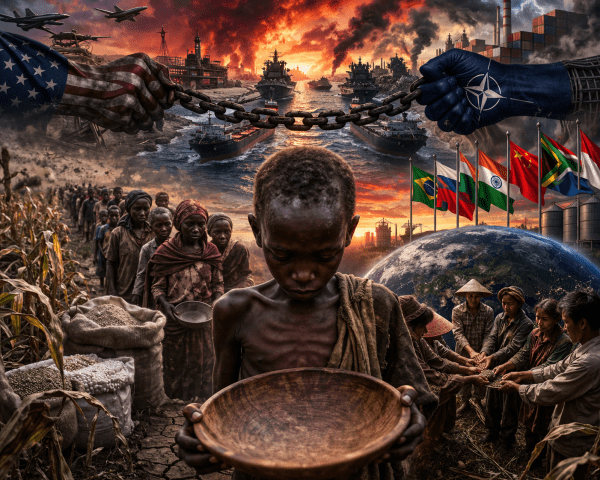
Reuters reports a BRICS food reserve proposal as risk management, but strips away the imperial structure shaping the crisis. The material record shows a world where war, sanctions, and supply chains converge to produce food insecurity at a global scale. Beneath the headlines lies a system that has transformed food, fertilizer, and shipping into weapons... Continue Reading →
The BBC, Zelensky and the Price of Primacy: When Hegemony Calls Itself Defense
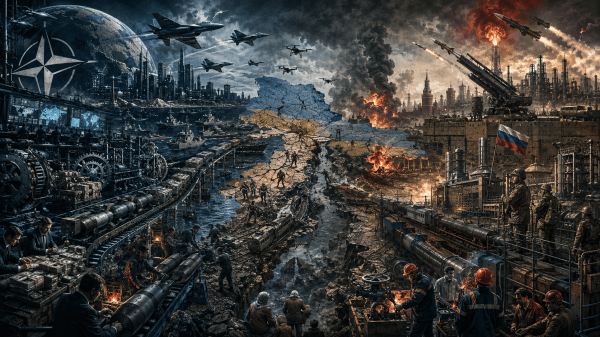
This essay excavates the BBC’s framing of the Ukraine war to reveal how catastrophe rhetoric and moral personalization manufacture consent. It reconstructs the documented record—NATO expansion, U.S. strategic doctrine, Minsk diplomacy, sanctions, and militarization—to widen the frame beyond headline urgency. It then situates the conflict within the deeper contradiction between imperial hegemony and national sovereignty,... Continue Reading →
Berlin’s Boardrooms, NATO’s Generals, and Beijing’s Factories: Germany’s Trade Deficit and the Crisis of Imperial Supremacy
A romance metaphor conceals structural strain. The trade ledger exposes export contraction and rising militarization. Industrial rivalry is recoded as security doctrine. Workers and colonized nations confront the costs—and the opening.By Prince Kapone | Weaponized Information | February 19, 2026When the Empire Calls It Heartbreak Our excavation begins with a February 19, 2026 piece from... Continue Reading →
Influence Without Empire: How China’s Infrastructure Exposes the Crisis of Imperial Narratives in Central Asia
A wire story turns development into suspicion by replacing politics with the language of “influence.”The facts reveal a region actively recalibrating after decades of imposed dependency and underdevelopment.Beneath the headlines lies a global shift where infrastructure collides with imperial decline and class struggle.The task ahead is to organize solidarity so this opening leads to sovereignty,... Continue Reading →
From Flank to Fulcrum: Türkiye, the Crisis of Atlanticism, and the Socialist Tendency of Multipolarity
How Türkiye’s break with the West signals not merely a geopolitical realignment but a civilizational reorientation — one that exposes the contradictions of global capitalism and opens the path toward a new socialist world order. By Prince Kapone | Weaponized Information | October 12, 2025 The Cracks in the Atlantic Wall For seventy years, Türkiye... Continue Reading →
Poland, NATO, and China: Freight Trains Through the Contradictions of Empire
A Warsaw–China rail link exposes the cracks of unipolar order: a NATO frontline state hedging into Belt and Road corridors, caught between Atlanticist loyalty and the pull of multipolar recalibration.By Prince Kapone | Weaponized Information | September 9, 2025The Story They Want You to HearAlicja Ptak, writing for Notes from Poland, presents the new freight... Continue Reading →