The Golden Age Needs a Gunboat: Trump’s UN Speech and the Rising Cost of American Command
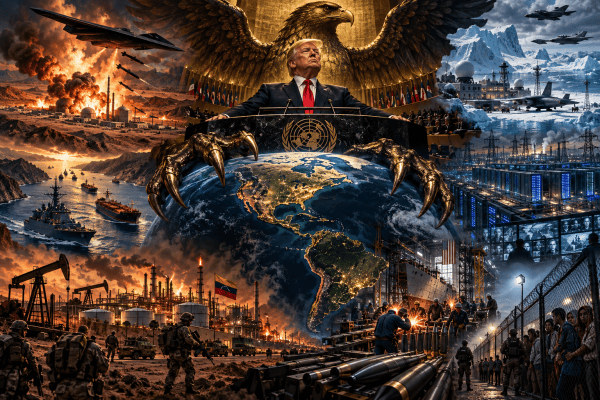
Trump's United Nations address declares America’s resurgence, yet it reveals an empire grappling with an escalating need for military force and economic coercion to maintain supremacy. His speech elevates military spending, sanctions, and immigration enforcement as signs of strength while ignoring the underlying contradictions—an empire that once commanded effortlessly now relies heavily on intimidation. The reality is that the U.S. must work harder to enforce its will both abroad and domestically as competition grows and global power dynamics shift. Instead of showcasing dominance, Trump's rhetoric underscores a declining ability to produce consent, exposing the fragility of American imperialism. The mask of effortless domination is slipping.

The School Was Put on Trial, the War Wasn’t: How Minab Became the Crime Scene While Washington’s Attack Became Background

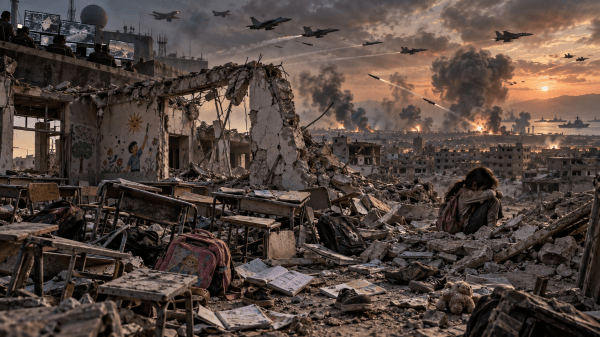
A UN investigation found reasonable grounds to believe U.S. forces committed war crimes in Iran after a primary school in Minab was struck and more than 150 people were killed. But the massacre cannot be understood as an isolated targeting failure inside an otherwise neutral war. The U.S.-Israeli assault began while diplomacy was still active, unfolded through a campaign that publicly celebrated overwhelming force, and repeatedly carried destructive power into civilian space. Minab exposes the larger structure: a war of aggression fragmented into legal incidents, technical explanations and media frames that make the crime scene visible while the war that created it slips into the background.

Primacy Produced the Resistance: How the Atlantic Order Turned Russian Sovereignty Into a Threat

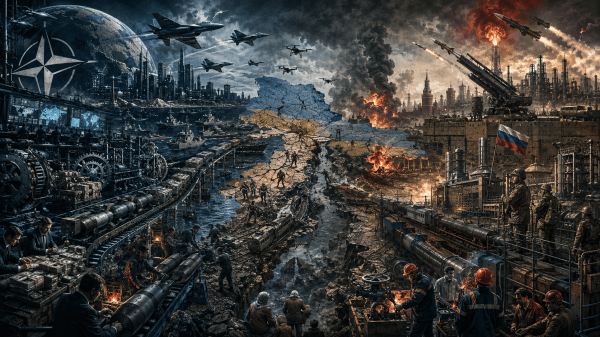
The Economist’s recent piece on Putin frames him as a cornered gangster, obscuring the complex geopolitical history that shapes the current conflict in Ukraine. It reduces a crisis rooted in thirty-five years of U.S.-led strategy, NATO expansion, and Russia's own capitalist evolution to Putin’s psychological profile. This overlooks how pre-existing economic and military pressures prepared the battlefield for escalation. By ignoring this context, the narrative becomes dangerously simplistic, presenting Russia's actions as mere reactions to outside threats, not as part of a larger historical clash of powers. The truth? This war is as much about systemic tensions as individual leaders.

Bombing for Submission, Producing Deterrence: How the War on Iran Manufactures the Threat Washington Claims to Fear

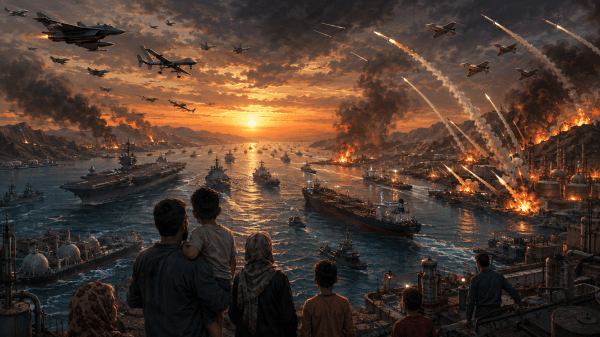
CNN admits that Washington started the war, then quietly moves that fact into the scenery so Iran’s response can reappear as the new source of danger. The chronology tells another story: Iran’s offensive doctrine preceded the August reshuffle and was hardened through war, blockade, a failed reciprocal settlement, and renewed coercion around the Strait of... Continue Reading →

The Revolution Must Keep Making Revolutionaries: Fidel Castro and the Fight Against Becoming a Monument

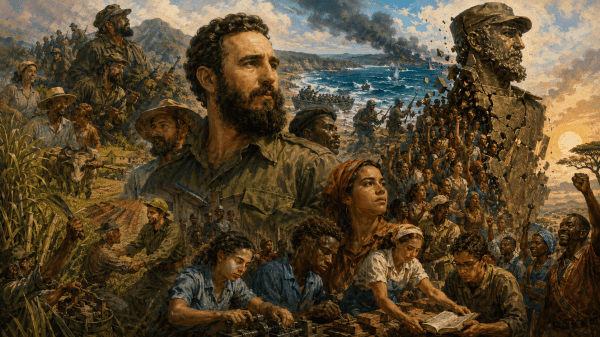
On the centenary of Fidel Castro's birth, his autobiography, My Life, acts as a provocative lens into the complexities of revolution. It dismantles the myth of the born revolutionary, showcasing instead how context, struggle, and learning forge warriors for change. Despite Cuba's successes, deep-rooted issues like racism and inequality persist, with Fidel warning that Cuba's most significant threat may not come from external forces but from within—its own inability to correct mistakes. As the Revolution ages, the pressing query remains: can it continually foster revolutionary consciousness amidst evolving contradictions or will it succumb to the complacency that often follows victory?

The Status Quo Has to Be Manufactured: America’s Pacific Primacy and the Rising Cost of Keeping It Alive

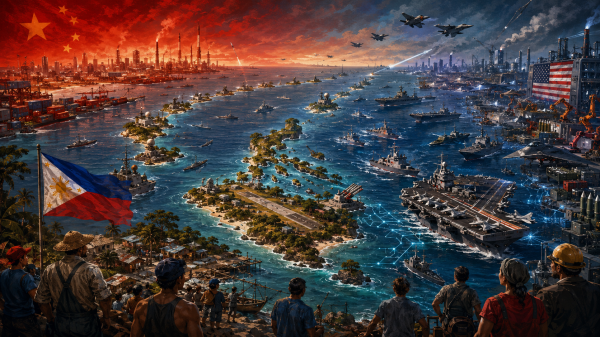
Elbridge Colby's assertion that America is the "apex predator" in military readiness disguises the troubling reality of dwindling U.S. military supremacy against a rising China. The narrative expertly choreographs U.S. responses to China's actions, framing Washington as a stabilizing force while ignoring the material consequences of its expansive military infrastructure and the burdens it places on allies like the Philippines. This contrived status quo sustains American dominance at an ever-increasing cost, presenting imperial ambitions as mere defense. The real struggle lies not in choosing a stronger predator, but in dismantling the systems that perpetuate this militarized hierarchy, exposing the true stakes of U.S. imperialism.

Website Powered by WordPress.com.

Up ↑