The Empire Built the Exit: Canada, Europe, and the Roads Around Fortress America
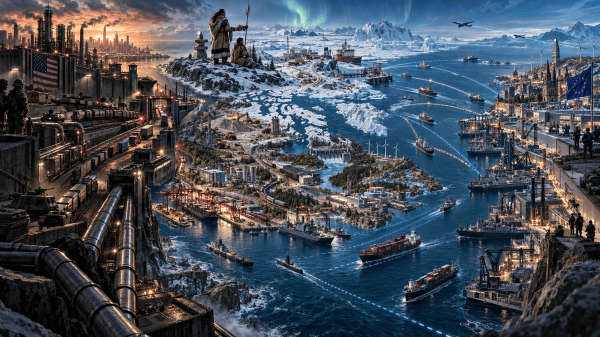
The New York Times' report on Canada's potential "associate membership" in the EU presents a simplistic narrative of geopolitical shifts. Yet, the truth is far more complex and gritty. Canada and Europe have long cultivated ties in defense and industry, reacting to escalating U.S. pressures that threaten their autonomy. As Washington tightens its grip, Canada seeks alternatives—not merely new collaborators but also a platform to reclaim control over its resources and industrial capabilities. The relationship is riddled with contradictions, as Indigenous rights and labor demands challenge who truly holds power in this emerging landscape. The gears of change are in motion, but the question lingers: who will govern this uncharted territory?

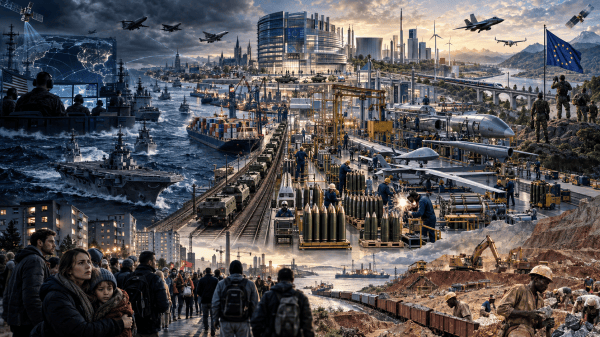
The Rear Grew Teeth: Europe Rearms the Empire and Builds the Means to Defy It

Europe stands at a crossroads, teetering between aspiration and disillusionment. While citizens envision a unified continent brimming with strength, their faith in existing structures crumbles under the weight of slow responses and dependency on America. With rising defense spending and manufacturing capacities, the stakes are high: will this newfound power serve the elite monopolies or empower the working class? The far-right feeds on feelings of decline, masking deeper questions about control and ownership. The real issue isn't a lack of imagination but the dire need for command: who controls Europe’s burgeoning power? The fight for true sovereignty—socially and politically—has only just begun.

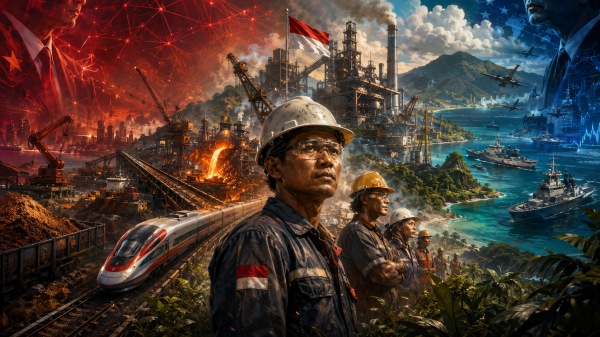
Sovereignty Built on Foreign Steel: Indonesia’s Industrial Rise and the Fight Over Who Commands It

Indonesia is ensnared in a web of foreign capital and corporate power, straddling the interests of Beijing and Washington while striving for autonomy. Its dependency on Chinese investment for industrial growth is creating complex struggles over resource control and worker rights. While the state seeks to regulate foreign involvement in its burgeoning industries, genuine sovereignty hinges on who truly reaps the benefits. Rhetoric about maintaining balance belies a troubling reality: as the nation builds industrial capacity, the power dynamics increasingly favor foreign interests, leaving local workers and communities grappling for their rightful share in this economic transformation.

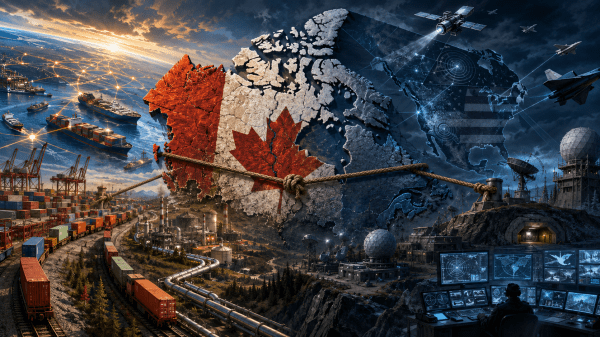
The Freight Is Moving, the Guns Aren’t: Canada Between Multipolar Markets and Atlantic Command

Canada’s century-old continental bargain with the United States built factories, pipelines, profits, and military integration into the same structure that Washington can now turn into leverage. Yet Canada was never merely an American dependency: its banks, mining firms, pension funds, and corporations grew into a secondary imperial power capable of exercising domination abroad even while... Continue Reading →

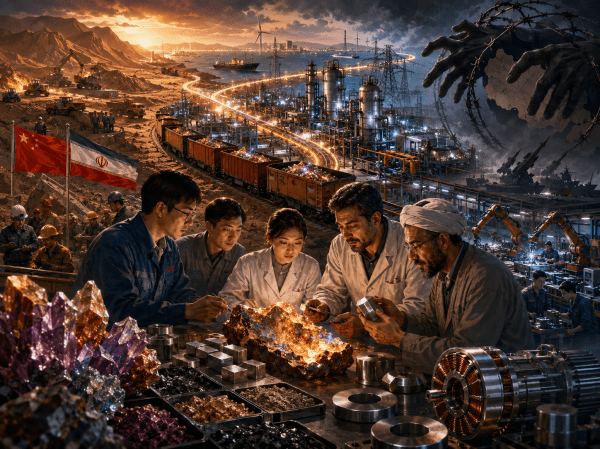
Containment Makes Its Own Escape Routes: China, Iran, and the Rare-Earth Contradiction

The narrative surrounding a modest scientific workshop between China and Iran is sensationalized into a geopolitical crisis, primarily through the lens of U.S. concerns. It's ironic: while Washington frantically condemns this cooperation, the real battle revolves around who controls the rare-earth supply chain. Both countries face sanctions that push them to create independent scientific and industrial pathways. The focus should pivot from mere diplomatic theatrics to whether this partnership enhances Iran's productive capacity or merely perpetuates dependency. Ultimately, this cooperative effort holds the potential to disrupt traditional power dynamics—unless it devolves into another avenue for exploitation under foreign dominance.

The Crime of Making Too Much: China and the Empire’s Monopoly on Abundance

The Economist's recent critique of China's industrial prowess reveals a deeper hypocrisy within Western narratives. While it acknowledges China's efficiency, it vilifies state-driven competition when it disrupts Western hegemony. The real issue is not overproduction but an imbalance of purchasing power, presenting an ugly tableau of warehouses filled with goods while people lack access. As China strives for self-reliance, the West's response is to impose tariffs and sanctions, prioritizing monopoly over equitable distribution. This conflict isn’t a mere economic dispute; it’s a struggle for who controls productive capacity. The question is whether to align production with human need or maintain the status quo of inequality.

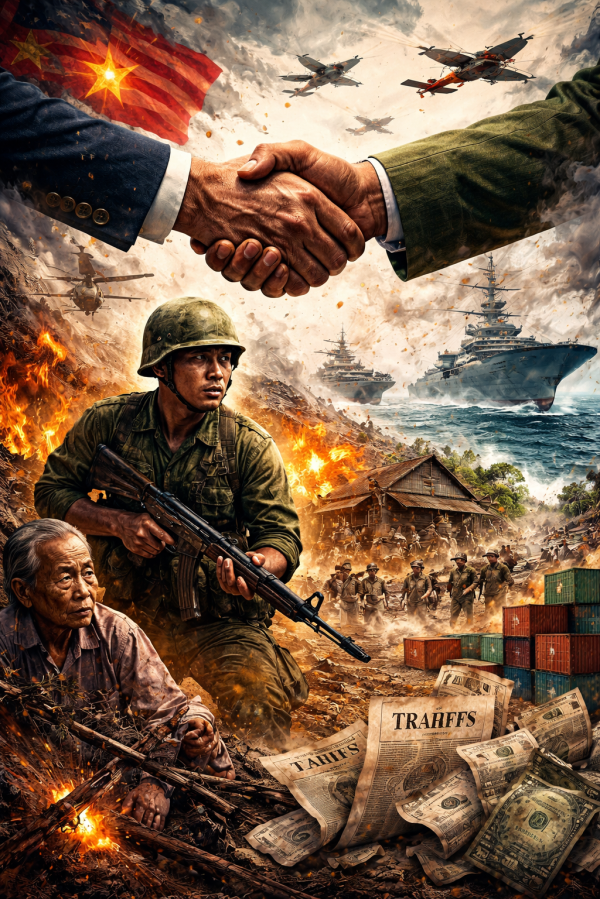
Washington Calls It “Partnership” While Vietnam Calls It Survival: How Empire Pathologizes the Memory of War

Corporate media reframes a nation’s hard-earned vigilance as psychological insecurity, quietly teaching readers to distrust the survival instincts of a people who have already endured invasion and annihilation. The buried history of bombardment, chemical warfare, and economic leverage resurfaces to show that Hanoi’s caution grows from lived material reality, not ideological stubbornness. Behind the language... Continue Reading →

Website Powered by WordPress.com.

Up ↑