The Empire Lost Its Monopoly: Multipolarity, Class War, and the Fight to Own the Future
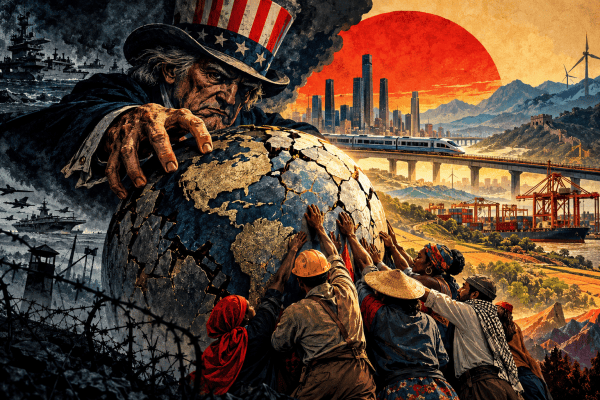
The imperialist façade is cracking as formerly colonized nations wield newfound agency, emboldened by China's socialist rise and BRICS collaboration. However, the narrative masks a grim reality: national sovereignty does not guarantee liberation from domestic exploiters. The struggle continues within, where local elites may replace imperial masters but retain the chains of economic subordination. This interplay reveals that power dynamics hinge on who decisively controls production and profits. As multipolarity expands possibilities, the essential question looms—will the working class finally seize genuine control over the fruits of their labor, or remain spectators in their own liberation? The era demands they reclaim agency—no more invitations.

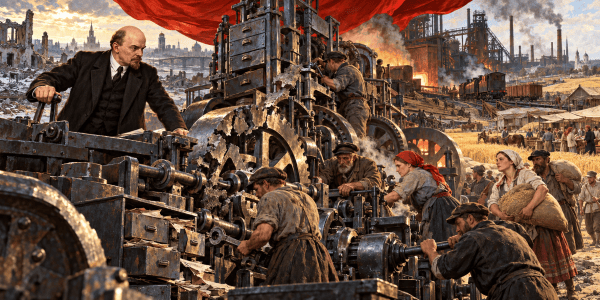
The Revolution Held Power. Who Held the Machine?: Lenin’s Battle to Make the State Serve Its Makers

On March 27, 1922, Lenin laid bare the haunting reality: the very Communists who seized power found themselves ensnared by its apparatus. This stark confession at the Eleventh Party Congress revealed a party entangled in bureaucratic paralysis while popular hunger and dissatisfaction grew. Lenin's urgent demand for practical economic leadership served as a clarion call to reconnect with the peasant workforce crucial for reconstruction. He confronted the failure to actualize revolutionary ideals, asserting that maintaining authority required genuine engagement with people’s needs. In essence, he challenged the Bolshevik leadership: Could they transform power into effectiveness before disillusionment turned into revolt? The stakes were sky-high, a failure to adapt would be their undoing.

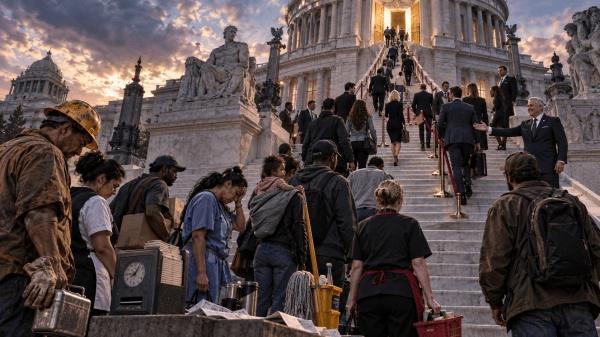
The Door Is Open, the Staircase Narrows: How Democracy Filters Out the Working Class

Bloomberg uncovered a brutal democratic fact: working people make up most of the labor force, yet barely appear in legislatures. This essay follows the worker beyond that statistic and shows how the disappearance happens—through inflexible work schedules, lost wages, primary elections, party recruitment, professional political careers, and repeated institutional filtering before voters ever reach the ballot. The problem isn’t that workers lack ambition or governing ability. It’s that formal political equality rests on a social order that distributes time, money, networks, and political experience by class. If workers are to enter politics in force, organization has to change who gets produced as a political leader.

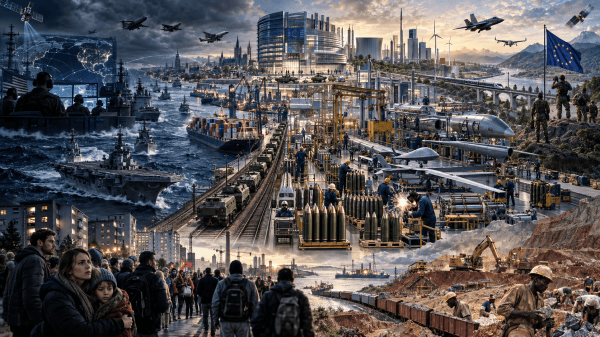
The Rear Grew Teeth: Europe Rearms the Empire and Builds the Means to Defy It

Europe stands at a crossroads, teetering between aspiration and disillusionment. While citizens envision a unified continent brimming with strength, their faith in existing structures crumbles under the weight of slow responses and dependency on America. With rising defense spending and manufacturing capacities, the stakes are high: will this newfound power serve the elite monopolies or empower the working class? The far-right feeds on feelings of decline, masking deeper questions about control and ownership. The real issue isn't a lack of imagination but the dire need for command: who controls Europe’s burgeoning power? The fight for true sovereignty—socially and politically—has only just begun.

Peggy Noonan Calls Capitalism Organic: The Wall Street Journal Buries the Violence That Built It

Peggy Noonan's alarm over socialism's surge reveals her flawed analysis: she blames the consciousness of the wounded instead of capitalism, which thrives on historical injustices like dispossession and slavery. As the capitalist structure crumbles under its contradictions—where collective production is shackled by private ownership—Noonan dismisses the urgency of socialism, painting it as a radical force aimed at destruction. Yet, socialism is rising not from whimsical ideology but out of necessity, as younger generations face economic precarity and disillusionment. The question isn’t whether capitalism is natural or just; it’s who truly controls the wealth and future built by the collective.

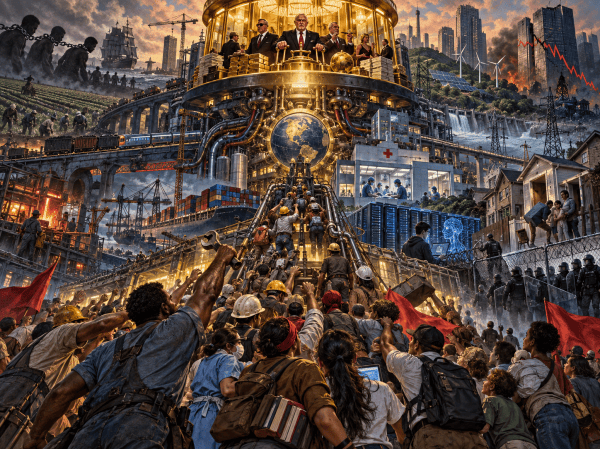
The Worker Becomes Optional: The Wage Still Demands Your Life

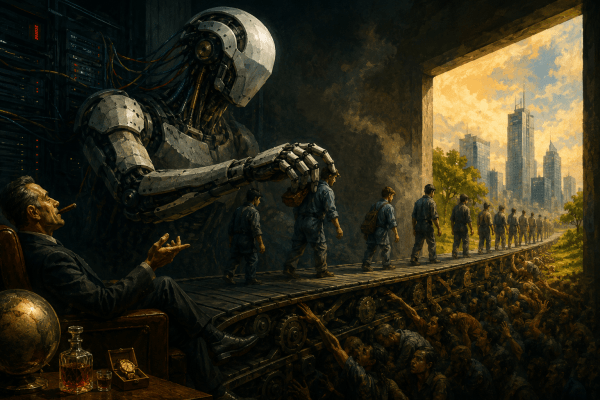
Bill Gates has finally acknowledged a truth that capitalists prefer to ignore: as AI and automation advance, corporations can reduce their reliance on human workers, yet those workers still need jobs to survive. This dystopian paradox manifests as corporations accumulate vast fixed capital while employing fewer people, leading to increasing labor insecurities. The state, ostensibly aiding automation's growth, is simultaneously crafting systems to manage this emerging class of excess workers. Gates proposes measures to protect jobs, but under capitalism, preserving employment becomes essential simply for survival, distorting the very essence of technological progress into a means of perpetuating exploitation rather than liberating humanity from labor.

Website Powered by WordPress.com.

Up ↑