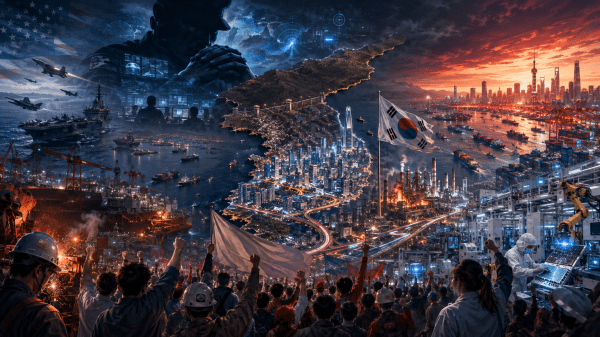
The Miracle Was Supposed to Take Orders: South Korea and the Contradiction of American Power

South Korea’s “miracle” didn’t fall from the fucking sky. It was built through war, U.S. occupation, anti-communist repression, Japanese capital, state-directed development, disciplined labor and a regional imperial order designed to make capitalism look victorious against socialism. But the contradiction is vicious: the same system built Korean industry strong enough to become indispensable, produced workers powerful enough to break dictatorship, and tied Korean accumulation into an Asian economy increasingly centered on China. Now Washington wants the miracle to keep taking orders—more weapons, more shipyards, more investment, more war preparation. The problem is South Korea ain’t the weak frontier state it used to be.

When the Shield Became the Target: The Iran War and the Mecca Pact Beyond Washington

The Times of India packages Saudi money, Turkish military power and Pakistan’s nuclear arsenal into the spectacle of an emerging “Islamic NATO,” while burying the war and contradictions that made the agreement intelligible. Beneath the headline lies an older architecture of military cooperation, energy dependence and regional hedging accelerated by a U.S.-Israeli war that devastated... Continue Reading →

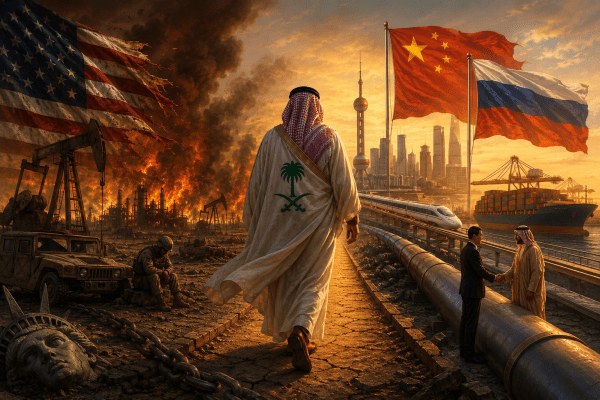
The Master Brings Fire: Why Saudi Arabia Is Looking East as the American Oil Order Burns

The narrative on Saudi Arabia's pivot to China disguises a deeper crisis in the U.S. imperial order. This is not a simple geopolitical romance; rather, it's a monarchy hedging its bets amid a shaky alliance once thought stable. With U.S. militarism fueling vulnerability in the Gulf, Riyadh seeks alternatives to the failing American security blanket, signaling an alarming shift. Yet, this recalibration is not liberation; it reveals the fragility of U.S. dominance as clients explore exits from a system that thrives on exploitation and chaos. As empires decay, the task is clear: galvanize working-class resistance against the war machinery that perpetuates this chaos.

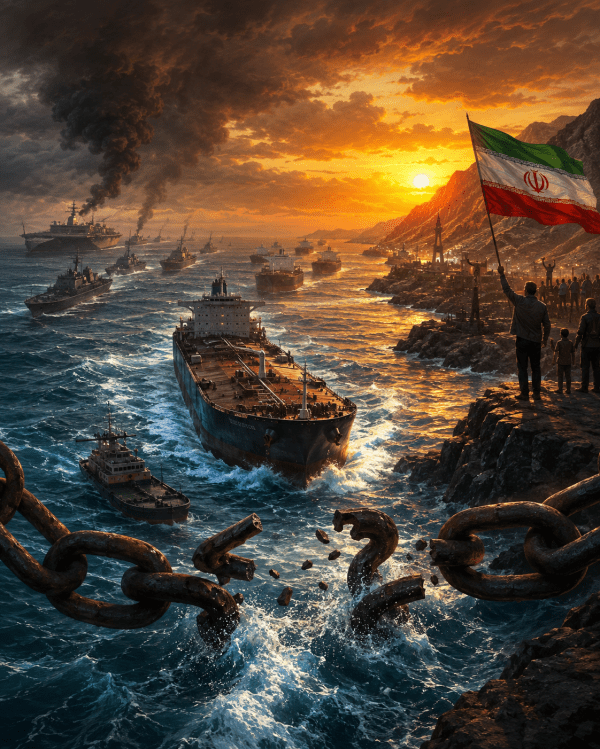
The Empire Signed Iran’s Terms: How Trump Rebranded Defeat as Victory

The Politico narrative transforms Trump's announcement of a U.S.-Iran peace deal into a self-aggrandizing spectacle, obscuring Iran's pivotal role and demands within a fourteen-point memorandum that Washington reluctantly conceded. This agreement signifies a profound U.S. failure to achieve its war aims, as it articulates a retreat framed as victory. The piece highlights how America’s empire is still threatening, renegotiating the terms, and imposing conditions, while Iran emerges fortified. Workers and activists must mobilize to hold Washington accountable, ensuring this retreat doesn't morph into renewed aggression. The reality is stark: the U.S. sought to dominate Iran but ended up conceding to its terms.

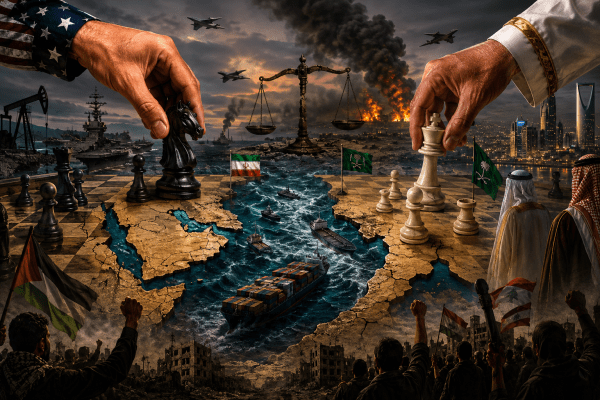
Good Guys, Bad Guys, and Useful Monsters: America’s Middle East Script Is Falling Apart

In a region beset by chaos, the Financial Times outlines Saudi Arabia's push for a non-aggression pact with Iran amidst the disarray following the U.S.-Israeli war. This article masquerades as diplomatic insight while delicately sidestepping the imperial roots of the conflict. By framing Iran as the looming threat and sidelining the U.S.'s destabilizing role, it fosters a narrative that propels imperial interests instead of addressing the reality of a fractured Gulf. The urgency is not peace but control, as Gulf states strive to reclaim agency from a suffocating imperial order, revealing that their fate hinges on navigating a treacherously militarized landscape.

Website Powered by WordPress.com.

Up ↑