The Empire Signed Iran’s Terms: How Trump Rebranded Defeat as Victory

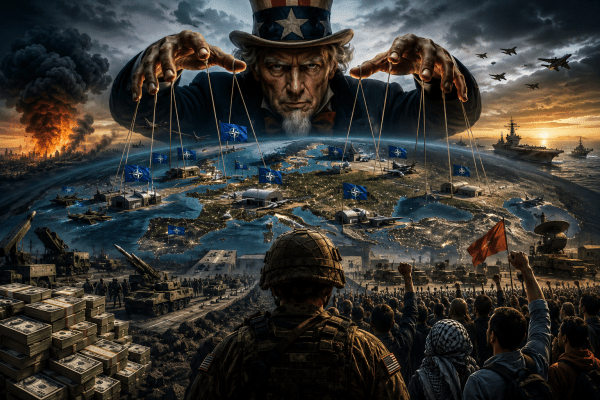
The Politico narrative transforms Trump's announcement of a U.S.-Iran peace deal into a self-aggrandizing spectacle, obscuring Iran's pivotal role and demands within a fourteen-point memorandum that Washington reluctantly conceded. This agreement signifies a profound U.S. failure to achieve its war aims, as it articulates a retreat framed as victory. The piece highlights how America’s empire is still threatening, renegotiating the terms, and imposing conditions, while Iran emerges fortified. Workers and activists must mobilize to hold Washington accountable, ensuring this retreat doesn't morph into renewed aggression. The reality is stark: the U.S. sought to dominate Iran but ended up conceding to its terms.

All Will Be Forgiven: Pakistan, Iran, and the Empire’s Crisis of Obedience

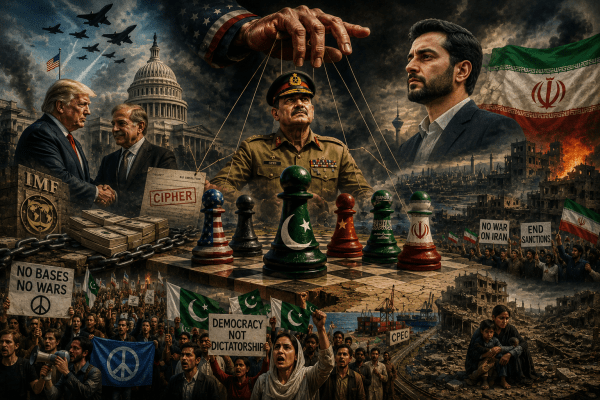
Pakistan’s emergence as a mediator in the U.S.-Iran war is a masquerade, showcasing a military regime, led by Prime Minister Shehbaz Sharif, seeking legitimacy through compliance with U.S. agendas. The facade of diplomacy hides a deeper reality: military-managed governance, manipulative partnerships, and economic subjugation sustained by Western powers. As global dynamics shift, Pakistan's balancing act among rival powers reveals an opportunistic survival strategy rather than genuine sovereignty. This troubling scenario underscores an essential truth: imperialism thrives not through outright violence but via coercive control, shaping a world where authentic peace remains a distant, arguably unattainable ideal.

Good Guys, Bad Guys, and Useful Monsters: America’s Middle East Script Is Falling Apart

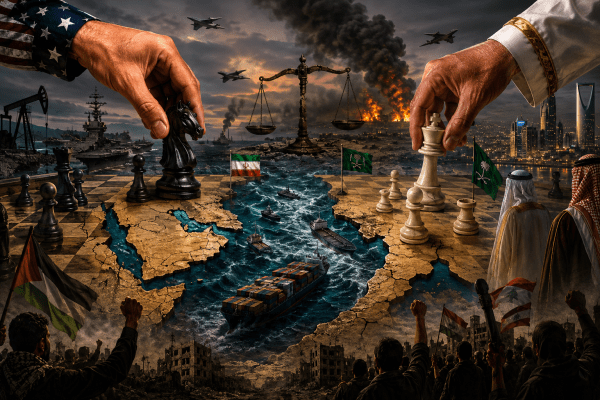
In a region beset by chaos, the Financial Times outlines Saudi Arabia's push for a non-aggression pact with Iran amidst the disarray following the U.S.-Israeli war. This article masquerades as diplomatic insight while delicately sidestepping the imperial roots of the conflict. By framing Iran as the looming threat and sidelining the U.S.'s destabilizing role, it fosters a narrative that propels imperial interests instead of addressing the reality of a fractured Gulf. The urgency is not peace but control, as Gulf states strive to reclaim agency from a suffocating imperial order, revealing that their fate hinges on navigating a treacherously militarized landscape.

Empire at the Table: Trump, Xi, and the Crisis of Unipolar Power

The Beijing summit is not merely a high-stakes poker game between Trump and Xi; it’s a façade hiding an imperial crisis where U.S. dominance falters amid technological decay and geopolitical strife. France 24’s framing turns complex geopolitical tensions into trivial personal confrontations, ignoring the deeper struggles over resources and sovereignty that threaten global order. As globalization erodes, emerging anti-imperialist movements ripple through nations, rejecting the casino logic of empire. The real question isn’t who holds the cards, but whether an imperial system so reliant on exploitation and coercion can adapt to a world increasingly seeking self-determination and resistance.

Great Satan at the Strait: Iran, International Law, and the Collapse of the “Rules-Based Order”

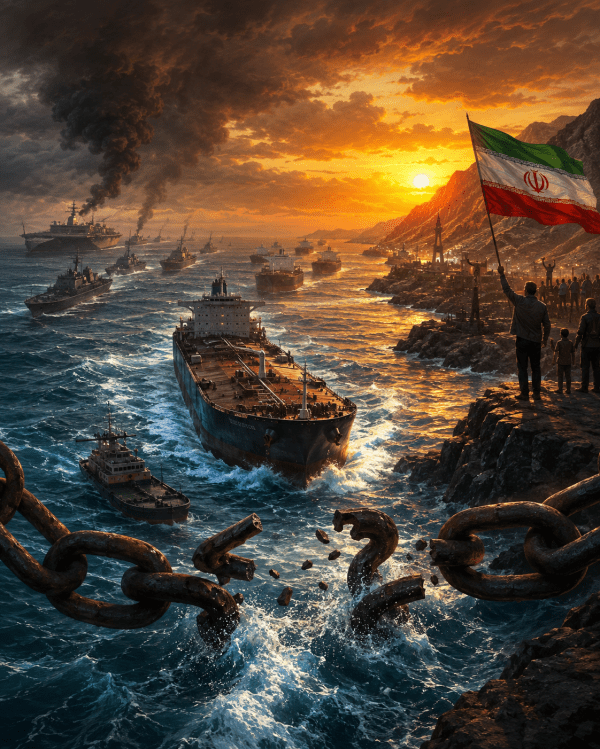
In a tale of diplomacy that sounds more like a sitcom plot, the Associated Press managed to frame U.S.-Israeli power plays as polite conversation while depicting Iran’s resistance as a chaotic tantrum. Imagine a landlord demanding rent while simultaneously hammering a "peace" sign into the wall—classic! The article promotes a narrative where blocking a nation is just “maritime security,” leaving readers to wonder if the actual level of aggression got lost in translation. Amid drones and oil price panic, the main issue lurking around like an unwelcome relative is whether nations can truly be sovereign or if they must politely obey the empire’s whims. It's a comedy of imperial contradictions, where legality bends more than a yoga instructor under pressure!

The Corridors of Defiance: How the War on Iran Accelerated the Multipolar Reorganization of Western Asia

The 2026 U.S.-Israeli assault on Iran was a strategic miscalculation, intended to reassert imperial dominance in Western Asia but instead revealing the fragility of Atlantic hegemony. As the old security architecture eroded, alternative infrastructures and regional alliances emerged, facilitating trade and cooperation beyond Western control. The ongoing crises connected Gaza, Yemen, and the vital sea lanes, illustrating that military aggression has backfired, prompting regional states to recalibrate and seek resilience against imperialism. This war exposed a transformative geopolitical landscape, where logistics and diplomatic maneuvers are increasingly driven by necessity, carving out a multipolar future and undermining the sheer authority once held by the empire.

From Ceasefire Spectacle to Open Threat: How U.S. Power Reveals Its Limits in Iran and the Emerging Multipolar Order

The media narrative frames the war through the language of objectives and outcomes, masking how imperial violence is normalized and depoliticized. A reconstruction of the facts reveals a deeper reality: sanctions, covert operations, chokepoint control, and historical intervention form the material architecture of this conflict. What emerges is not policy failure but a system in... Continue Reading →

Website Powered by WordPress.com.

Up ↑