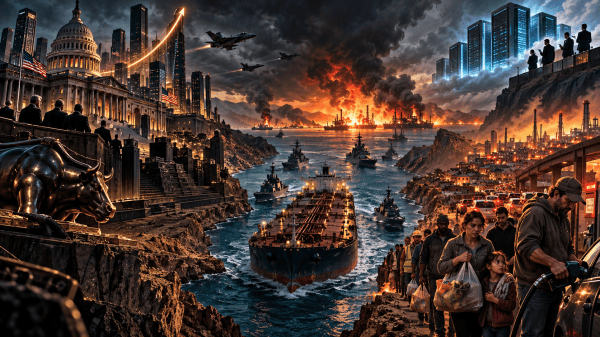
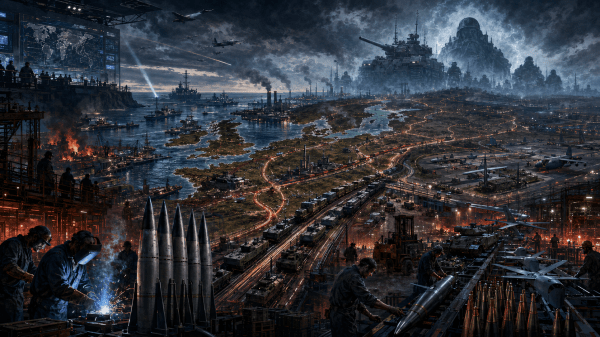
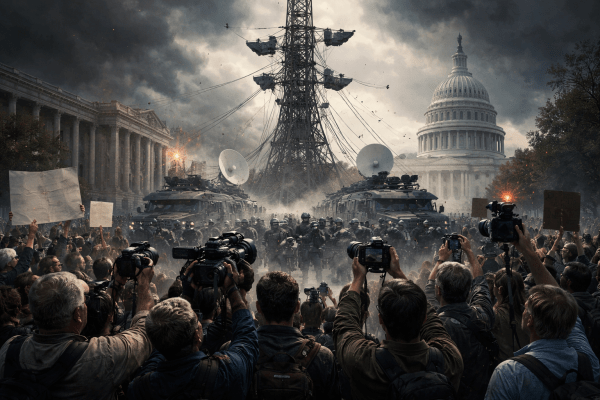
NBC presents falling stocks, rising Treasury yields and volatile oil as separate market reactions to war. Put the pieces back together and a deeper political economy appears. The struggle over Hormuz is raising the cost of energy and global circulation while Washington is already refinancing enormous debts under sharply higher real yields. Those pressures don’t fall evenly: workers, indebted households and vulnerable importing countries absorb higher costs while energy producers and concentrated technology capital occupy very different positions. What looks like market turbulence is really a struggle over the rising material and financial cost of American command—and who gets forced to pay the bill.
The School Was Put on Trial, the War Wasn’t: How Minab Became the Crime Scene While Washington’s Attack Became Background
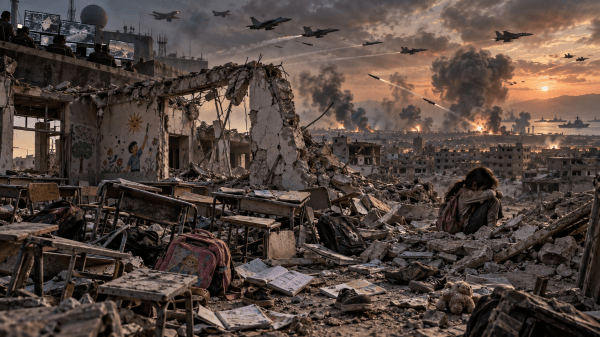
A UN investigation found reasonable grounds to believe U.S. forces committed war crimes in Iran after a primary school in Minab was struck and more than 150 people were killed. But the massacre cannot be understood as an isolated targeting failure inside an otherwise neutral war. The U.S.-Israeli assault began while diplomacy was still active, unfolded through a campaign that publicly celebrated overwhelming force, and repeatedly carried destructive power into civilian space. Minab exposes the larger structure: a war of aggression fragmented into legal incidents, technical explanations and media frames that make the crime scene visible while the war that created it slips into the background.
Japan Can Shake the Dollar, but It Can’t Set the Rules: The Yen Inside the Dollar Machine
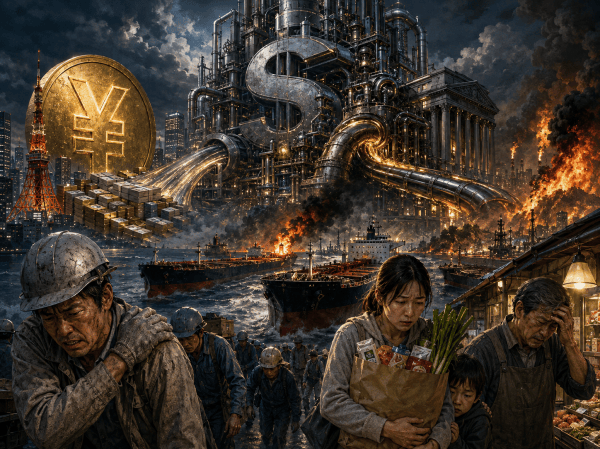
Reuters treats the yen’s violent swings as a market mystery, but the real story runs through the machinery of dollar-centered finance. Japan is a wealthy imperial-core creditor with enormous reserves and U.S. assets, yet its monetary choices remain constrained by U.S. rates, Treasury markets, imported energy, public debt, and capital flows. That dependence is reciprocal but unequal: Japanese instability can hurt Washington even as Tokyo adjusts inside a system it doesn’t command. And the costs travel downward. Workers win raises, then war-driven oil shocks, currency weakness, and inflation threaten to eat them away—turning monetary sovereignty into a class struggle over who pays.
Bombing for Submission, Producing Deterrence: How the War on Iran Manufactures the Threat Washington Claims to Fear
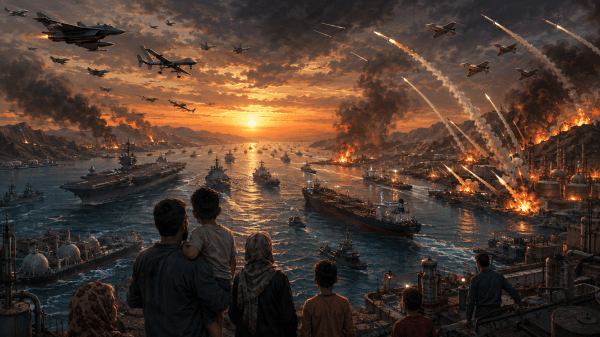
CNN admits that Washington started the war, then quietly moves that fact into the scenery so Iran’s response can reappear as the new source of danger. The chronology tells another story: Iran’s offensive doctrine preceded the August reshuffle and was hardened through war, blockade, a failed reciprocal settlement, and renewed coercion around the Strait of... Continue Reading →
Tomorrow’s Russian Tank: How a Hypothetical War Rearms Europe Today
CNN warns that Russia could someday “test” NATO, but the military transformation supposedly justified by that future threat is already underway. Europe is being rearmed, civilian infrastructure reorganized for military mobility, and productive capacity redirected toward an expanding war economy as U.S. weapons stocks strain under commitments spanning Ukraine, Iran, Russia, and China. The deeper story is not a proven Russian timetable for invasion, but an American-centered imperial bloc confronting the rising cost of reproducing its military reach and hardening Europe as a Western Rear. What Russia could do tomorrow becomes the argument for what Europe must militarize today.
The Revolution Will Not Be Managed: Glen Ford, the Black Agenda, and the Missing Vehicle
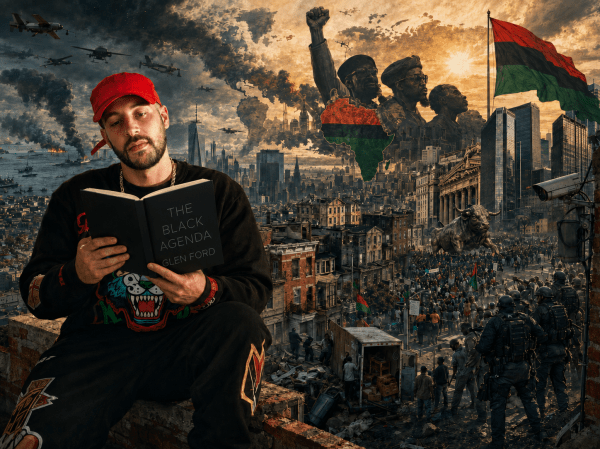
Glen Ford's incisive critique shatters the myth of American progress, revealing how conquest and exploitation are cloaked as success. He dissects the deceptive practices of the Black misleadership class and the Democratic Party, showing how they perpetuate capitalist interests while masquerading as champions of Black liberation. Ford demands a radical rethinking of power and accountability, advocating for community control and reparations, emphasizing that true self-determination lies in empowering marginalized voices. Amidst the pandemic and civil unrest, Ford’s legacy calls for a revolutionary movement capable of dismantling systemic oppression rather than settling for token representation. The fight is not just for visibility; it’s for genuine power.
The Red Scare Has a Filing Cabinet: CNN, Communism, and the Policing of American Thought
CNN turns deleted tweets into an anti-communist dossier while burying the housing, healthcare, immigration, education, and antiwar demands that made Darializa Avila Chevalier’s campaign matter. The article inherits a long U.S. tradition where communism is treated not as a political position but as contamination. The real story is capitalism’s fear that workers might learn the... Continue Reading →
The Arsenal Is Late: Europe’s Ruling Class Discovers There Is Always Money for War
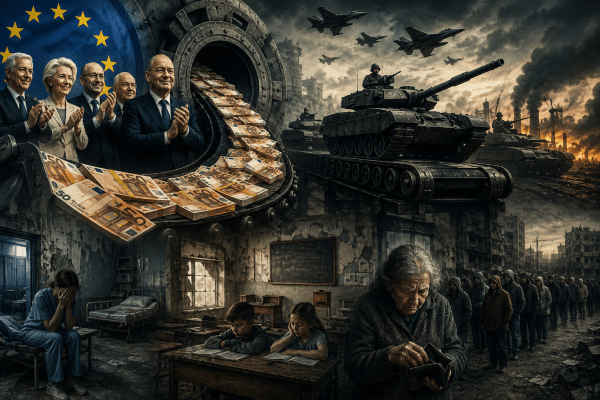
Deutsche Welle cleverly disguises Europe's urgent rearmament as a procurement issue, distracting from the stark reality of militarization overtaking public life. The article's real message isn't about the delays in weapon delivery, but rather the easing of governmental budgets for defense while essential services wither under austerity. It reveals an empire tightening its grip under NATO's command, where social welfare takes a back seat to military expenditure. This narrative won't invite questions about people's needs, but rather about how to improve efficiency in arms production. The specter looms: the increasing normalization of a military-first economy must be resisted, as it's not merely about security, but the reorganization of society around war.
Inside the House of Cards: How Empire Manages Crisis Through Memory, Civility, and Myth
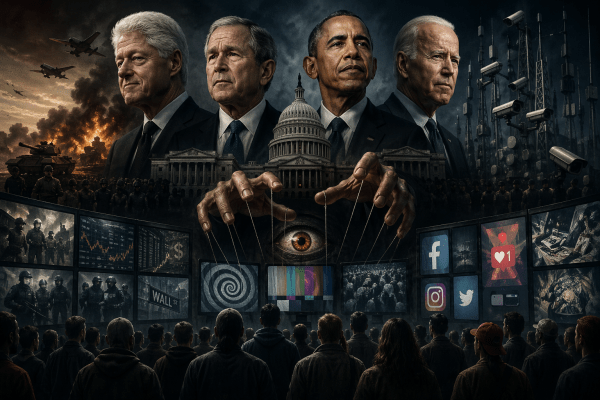
Four former presidents gather under corporate media lights to present democracy as a shared moral inheritance, grounded in unity, civility, and participation. Beneath that performance lies a material history of deregulation, war, surveillance, and repression that produced the very crisis now being discussed. The interview reveals not reflection, but a ruling-class effort to manage legitimacy... Continue Reading →
When the Signal Becomes the Weapon: Empire, Media, and the New Discipline of Narrative
As the United States loses its monopoly over global storytelling, regulatory power, media concentration, and wartime pressure converge to manage a fractured information order—and reveal how narrative control adapts under imperial strain. By Prince Kapone | Weaponized Information | March 17, 2026 When Power Clears Its Throat and Calls It a Debate In Dominick Mastrangelo’s... Continue Reading →