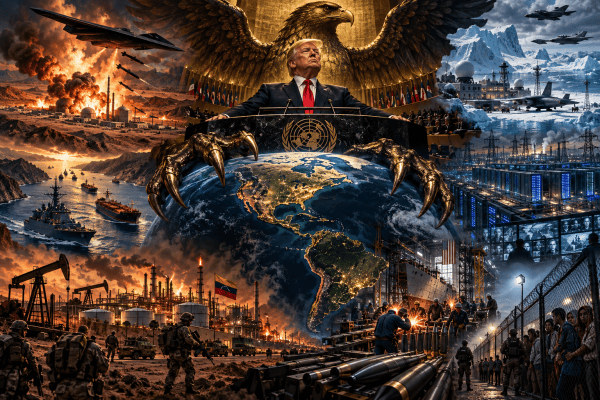
Trump's United Nations address declares America’s resurgence, yet it reveals an empire grappling with an escalating need for military force and economic coercion to maintain supremacy. His speech elevates military spending, sanctions, and immigration enforcement as signs of strength while ignoring the underlying contradictions—an empire that once commanded effortlessly now relies heavily on intimidation. The reality is that the U.S. must work harder to enforce its will both abroad and domestically as competition grows and global power dynamics shift. Instead of showcasing dominance, Trump's rhetoric underscores a declining ability to produce consent, exposing the fragility of American imperialism. The mask of effortless domination is slipping.
No Annexation Required: Greenland Gets a Seat Inside Washington’s Arctic Wall
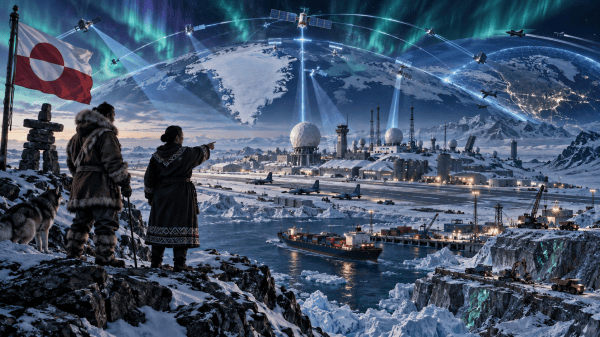
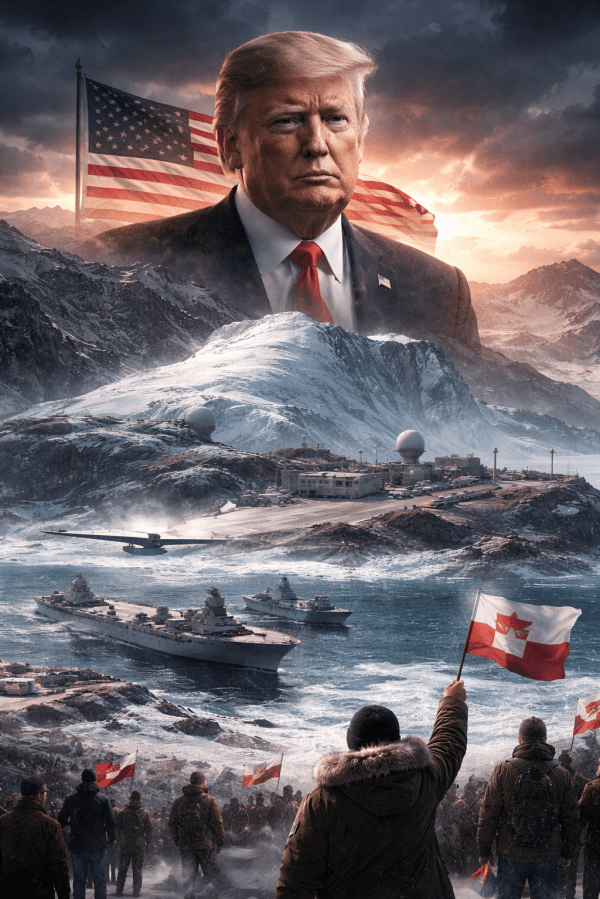
Forget the surface-level headlines; the Greenland agreement is a complex chess game, far beyond Trump's land-grab fantasies. The U.S. and Denmark superficially box Greenland into negotiations, overshadowing its own quest for agency and self-determination in the face of imperial maneuvering. As the Arctic transforms into a geopolitical battleground against rising powers like China and Russia, Greenland finds itself asserting its rights while navigating the treacherous waters of dependency. The true question isn't merely who controls the territory but whether Greenland can leverage its newfound strategic significance into genuine autonomy and prosperity over its resources, contracts, and future.
The Empire Built the Exit: Canada, Europe, and the Roads Around Fortress America
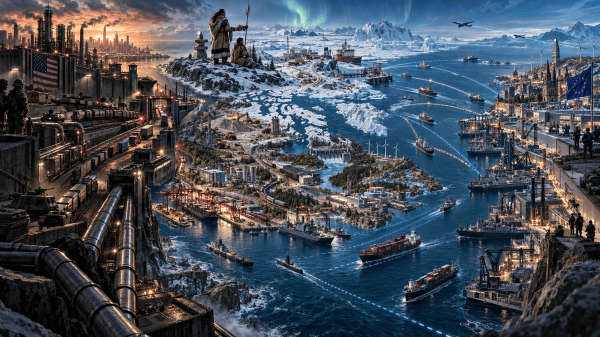
The New York Times' report on Canada's potential "associate membership" in the EU presents a simplistic narrative of geopolitical shifts. Yet, the truth is far more complex and gritty. Canada and Europe have long cultivated ties in defense and industry, reacting to escalating U.S. pressures that threaten their autonomy. As Washington tightens its grip, Canada seeks alternatives—not merely new collaborators but also a platform to reclaim control over its resources and industrial capabilities. The relationship is riddled with contradictions, as Indigenous rights and labor demands challenge who truly holds power in this emerging landscape. The gears of change are in motion, but the question lingers: who will govern this uncharted territory?
The Freight Is Moving, the Guns Aren’t: Canada Between Multipolar Markets and Atlantic Command
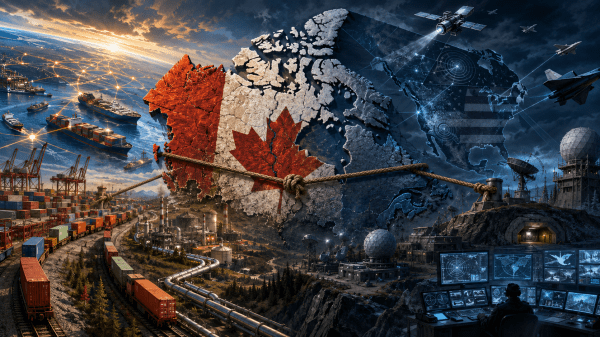
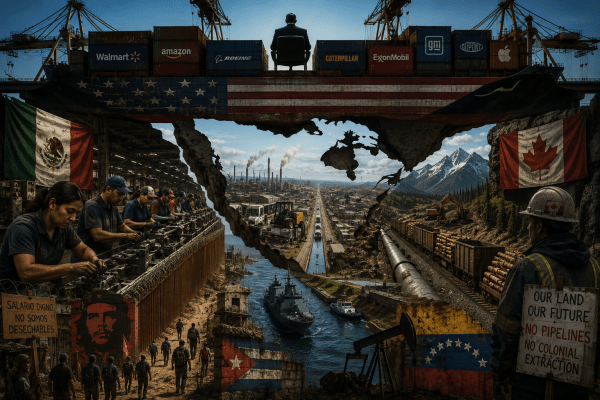
Canada’s century-old continental bargain with the United States built factories, pipelines, profits, and military integration into the same structure that Washington can now turn into leverage. Yet Canada was never merely an American dependency: its banks, mining firms, pension funds, and corporations grew into a secondary imperial power capable of exercising domination abroad even while... Continue Reading →
The Chokepoint Is Melting: China, Russia and the Battle for the Arctic Arteries
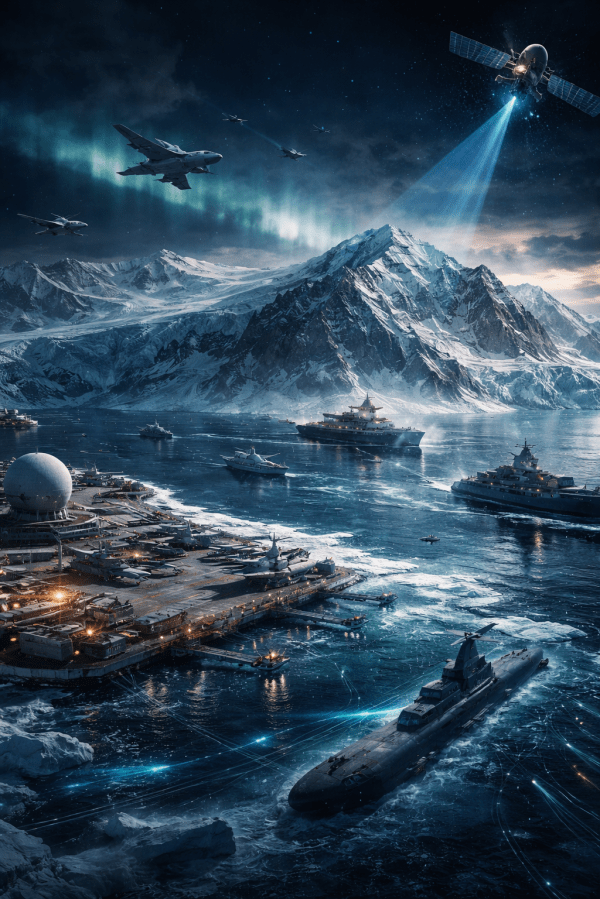
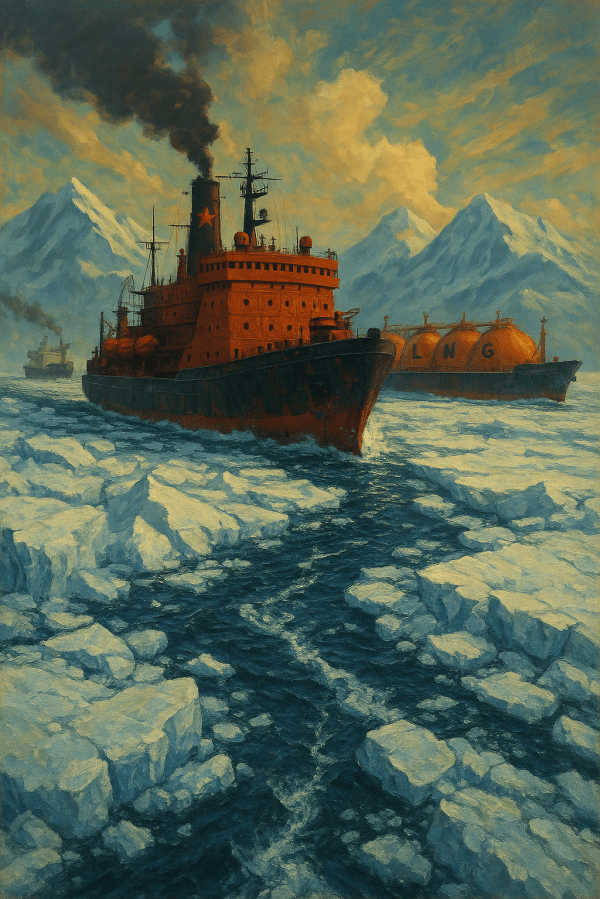
China’s new “Ice Silk Road” is more than a faster shipping route through the Arctic. Behind the twenty-day voyages lies a deeper struggle over the chokepoints, sanctions networks, military corridors, and logistics systems through which imperial power disciplines global circulation. Russia and China are building limited but growing Arctic redundancy while the United States, NATO, NORAD, and allied states harden the northern approaches of the American Pole. The melting ice therefore reveals a brutal contradiction: climate catastrophe is opening new commercial arteries just as great-power rivalry militarizes them. The real question is who will control the routes—and whose labor, land, and lives will pay the price.
Same Boss, New Contract: USMCA and the Empire’s Grip on Mexico and Canada
NBC's portrayal of Trump's refusal to renew the USMCA is more than a mere disruption in trade; it’s a calculated move to establish an iron grip over North America. The article frames this as instability, ignoring the deeper narrative of imperial ambition where trade agreements become tools for coercion. The U.S. isn't retreating; it's reconfiguring the continent, tightening control over Mexico and Canada while excluding China from the fold. Workers from all sides suffer under this new order while corporate interests thrive unchallenged. Ultimately, this is not a story of chaos but of empire reshaping subjugation—inviting you to witness the birth of Fortress America instead of its decay.
Greenland and the Architecture of Fortress America
How U.S. Homeland Defense, Arctic Chokepoints, and Critical Minerals Are Converging into a New Territorial Imperial ProjectBy Prince Kapone | Weaponized Information | January 11, 2026Greenland Was Never a Joke — It Was a Map of Empire Speaking Out LoudWhen Trump first floated the idea of the United States “acquiring” Greenland, plenty of people laughed... Continue Reading →
Trump, Greenland, and the Return of Territorial Empire
An empire tries to blame one man for what its strategy requires. The Arctic is revealed as a military node, an extractive frontier, and a colonial question. Beneath alliance etiquette, imperial authority demands control, not cooperation. From Greenland to the Global South, resistance exposes the system speaking plainly. By Prince Kapone | Weaponized Information |... Continue Reading →
Empire on Thin Ice: The Arctic, the Melt, and the Making of a Multipolar North
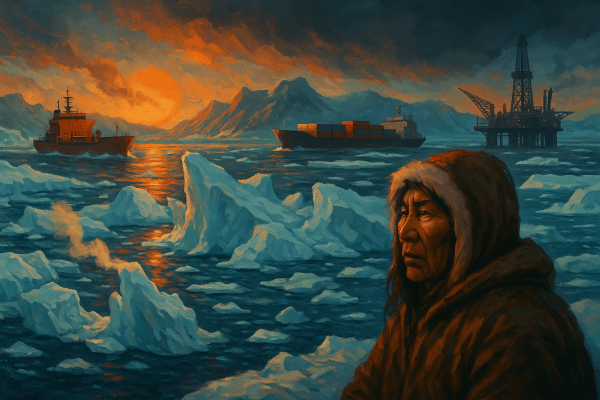
As the ice retreats, The Economist promises “connection.” But beneath the shipping lanes and rare-earth dreams lies a deeper reality: the Arctic is becoming a frontline where empires overreach, Indigenous nations resist, and a multipolar world begins to surface through the cracks. By Prince Kapone | Weaponized Information | November 19, 2025 How an Empire... Continue Reading →
Russia vs. the Shipping Cartel: How Empire Controls the Trade Routes
Russia rerouted its Arctic LNG trade through Murmansk to escape EU sanctions. But behind the headline lies a deeper truth: imperialism still controls the routes, the insurance, and the legal scaffolding of global logistics. By Prince Kapone | Weaponized Information | June 26, 2025 They Own the Boats, the Papers, and the Ports When you... Continue Reading →