Convenience Inherited an Empire: Africa Puts the World Map on Trial
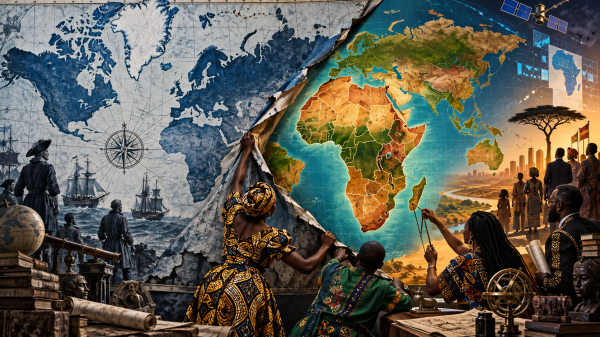
Mercator’s projection began as a useful tool for sailors, not a colonial conspiracy. But publishers, schools, governments, and later digital platforms carried its distorted view of continental scale far beyond navigation, turning a technical choice into inherited common sense. This essay traces how colonial cartography made geographic knowledge part of territorial command, how Web Mercator gave the old projection a new technological life, and how African political organization transformed the issue into a struggle over narrative sovereignty. The UN vote to “correct the map” matters—but a fairer image of Africa is only one front in the larger fight over who gets to define, produce, and control global knowledge.

The Empire Still Holds the Gates: Multipolarity Builds Roads Around Them

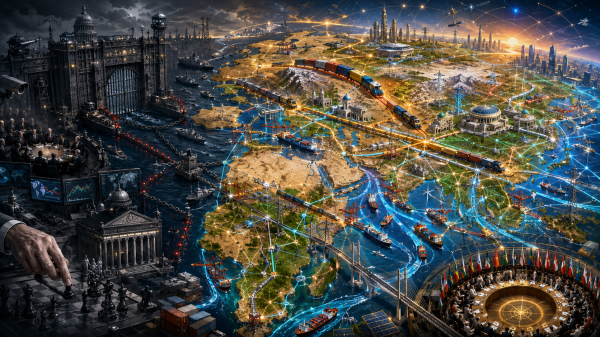
Multipolarity isn't a new empire but a complex web of power dynamics where countries strive for developmental autonomy without severing ties to imperial centers. Though emerging institutions like BRICS and SCO offer alternatives, they reveal a deeper truth: political independence doesn't guarantee economic sovereignty. The geopolitical landscape is increasingly messy; states are interconnected yet vulnerable. For every summits attended and partnerships forged, underlying dependencies remain unchallenged. The real question isn’t where countries sit on a world map; it’s who controls resources and technology within their borders. True liberation from exploitation lies not in diplomatic participation but in addressing internal inequalities and class power.

The Dividend Is Human: Africa’s Population Boom and the Battle Over Production

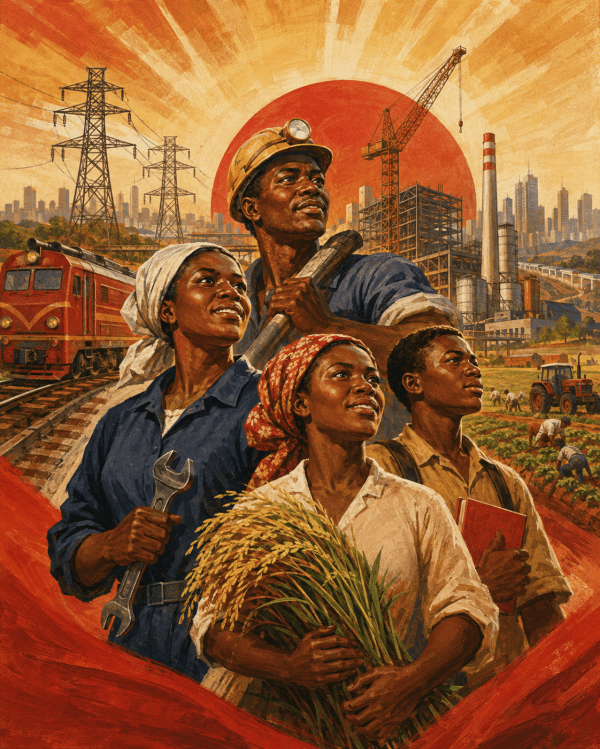
The Financial Times provocatively flips the Malthusian narrative on its head, arguing Africa's plight stems from a historical lack of population rather than excess. This revisionist tale criticizes the colonial legacy that stripped Africa of its labor and infrastructure, while the current swell of population, cities, and markets struggles against debt and underdevelopment. The real challenge isn't merely a growing populace; it's whether Africans can seize control of factories, technology, and continental markets. As density increases, the push for organized labor and investment in industrial capacity becomes crucial—otherwise, Africa risks becoming a mere market for foreign goods, trapped in a cycle of dependency despite its demographic potential.

Website Powered by WordPress.com.

Up ↑