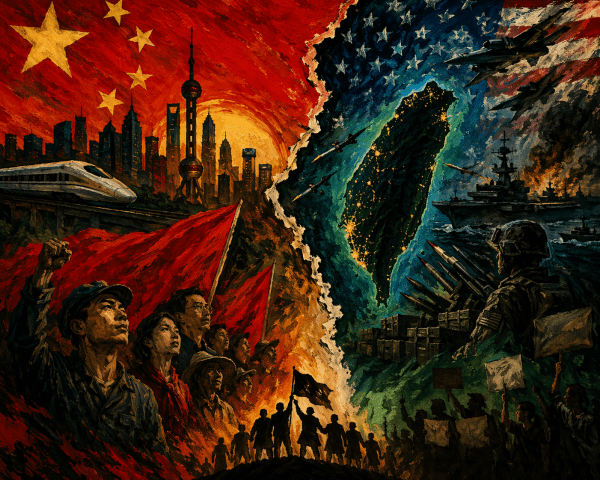
Reuters doesn’t just report events—it organizes reality through an imperial lens that disciplines how China is seen and understood. Beneath the surface, the Taiwan question reveals a dense structure of civil war legacy, U.S. militarization, legal contradictions, and economic interdependence. The truth is not “cross-strait tension,” but an unfinished revolutionary contradiction weaponized by empire to... Continue Reading →
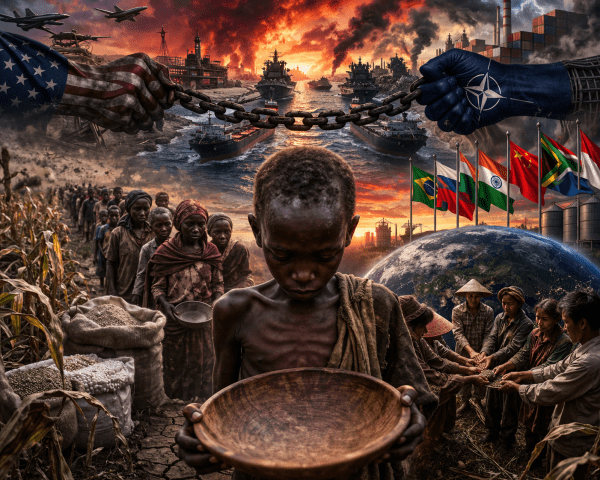
Choking to Death on an Empty Stomach: How Empire Turns War into Hunger
Reuters reports a BRICS food reserve proposal as risk management, but strips away the imperial structure shaping the crisis. The material record shows a world where war, sanctions, and supply chains converge to produce food insecurity at a global scale. Beneath the headlines lies a system that has transformed food, fertilizer, and shipping into weapons... Continue Reading →
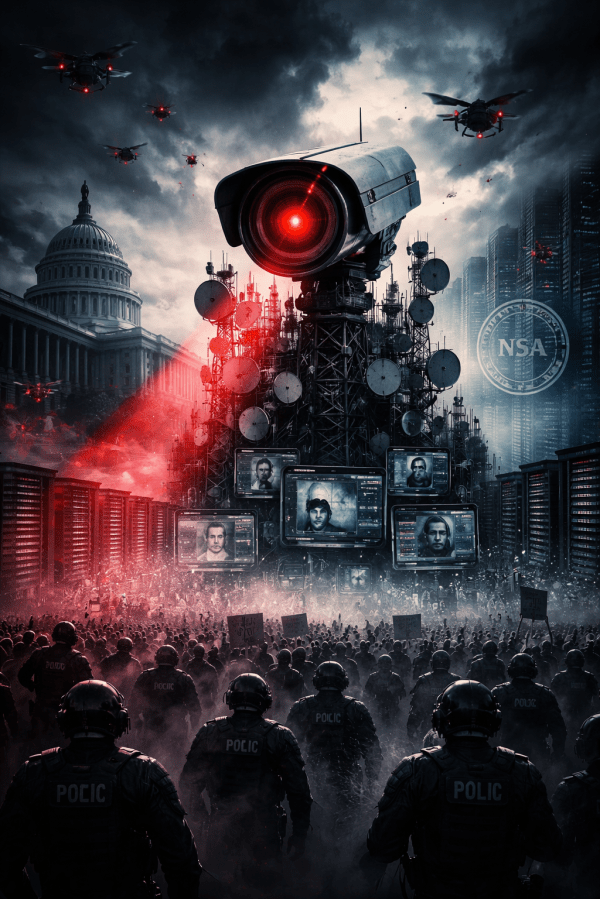
The Machine Was Built to Watch You: How Bipartisan Power Engineered America’s Surveillance State
They tell you this is about Democrats failing to stand up to Trump, but that’s a lie—both parties built the spy machine together. The receipts show a straight line from the Patriot Act to Section 702, signed, funded, and protected by the same politicians now playing concerned. What we’re dealing with isn’t a policy debate—it’s... Continue Reading →
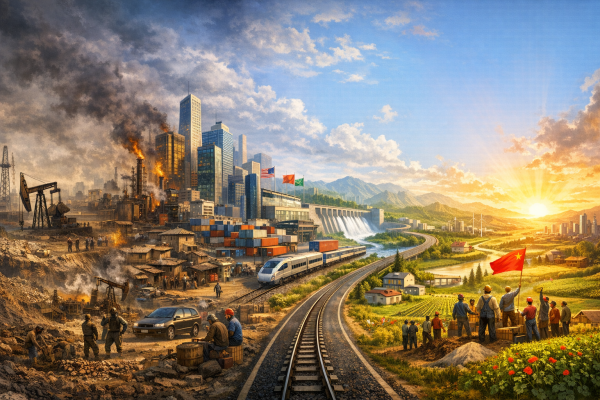
From Imperial Plunder to Socialist Possibility: Capitalism, Dependency, and the Road to Sovereign Development
Development is not a neutral path but a historical process forged through conquest, extraction, and domination. Underdevelopment is not a failure to advance, but the condition produced by integration into a world system structured by imperial power. As the crisis of global capitalism deepens and the space for sovereign maneuver widens yet destabilizes, nations are... Continue Reading →
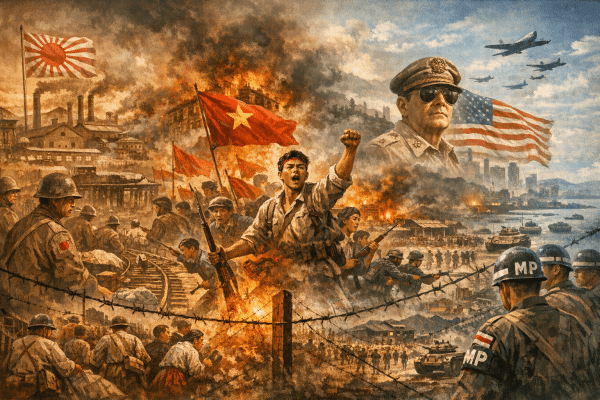
The Origins of the Korean War: From Colonial Rupture to Contained Revolution
This review reconstructs the Korean War not as a sudden conflict in 1950, but as the culmination of colonial transformation, revolutionary struggle, and imperial intervention between 1945 and 1947. Drawing on Bruce Cumings, it reveals how liberation opened a radical possibility that was contained, divided, and ultimately reshaped into two opposing systems—making war not accidental,... Continue Reading →
Song of Ariran: Born in Failure, Forged through War
This Weaponized Intellects Book Review treats Kim San’s life not as biography but as a weapon—tracing how colonial violence, exile, repression, and ideological struggle forged a revolutionary consciousness that rejects liberal illusion, exposes the limits of nationalism and adventurism, and affirms that only disciplined, mass-based anti-imperialist struggle can transform defeat into the foundation for victory.... Continue Reading →
Order in the Rubble: How Empire Calls Coercion Peace in Lebanon
USA TODAY reports the bombs, the bodies, and the diplomatic noise, but leaves the machinery of power in the shadows. Beneath the language of “escalation” lies a longer structure of occupation, ceasefire manipulation, infrastructural warfare, and pressure on Lebanese sovereignty. The strikes on Lebanon are not an interruption of order, but one of the ways... Continue Reading →
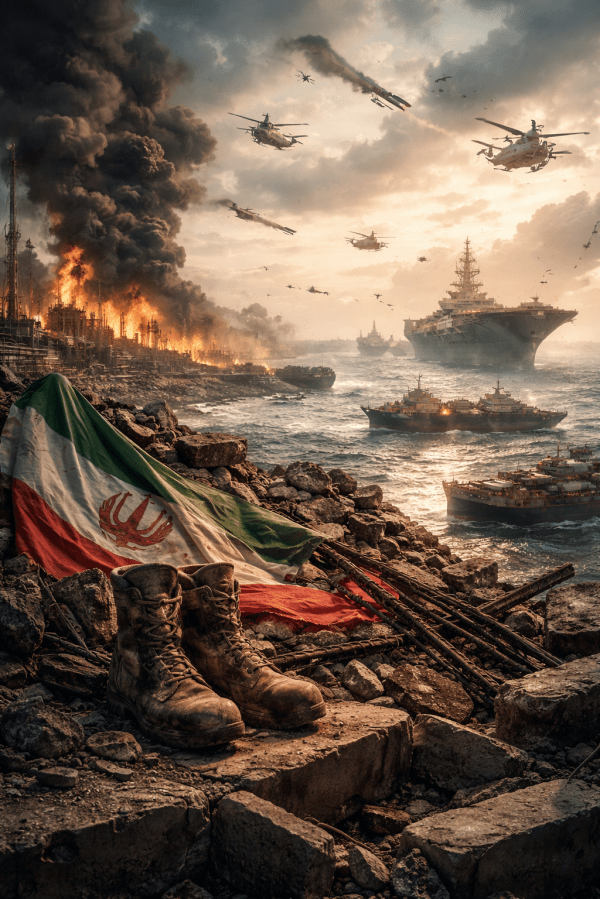
Tripwires of Empire: The Gulf Monarchies, the U.S.-Israel War on Iran, and the Crisis of Imperial Security
This essay begins by excavating how The Guardian recasts a U.S.-Israeli war and its aftermath into a fear narrative centered on Iran while muting the imperial structure behind the violence. It then reconstructs the real terrain: Gulf militarization, sanctions on Iran, strategic chokepoints, regional recalibration, and the diplomatic and economic relations the article leaves in... Continue Reading →
From Ceasefire Spectacle to Open Threat: How U.S. Power Reveals Its Limits in Iran and the Emerging Multipolar Order
The media narrative frames the war through the language of objectives and outcomes, masking how imperial violence is normalized and depoliticized. A reconstruction of the facts reveals a deeper reality: sanctions, covert operations, chokepoint control, and historical intervention form the material architecture of this conflict. What emerges is not policy failure but a system in... Continue Reading →
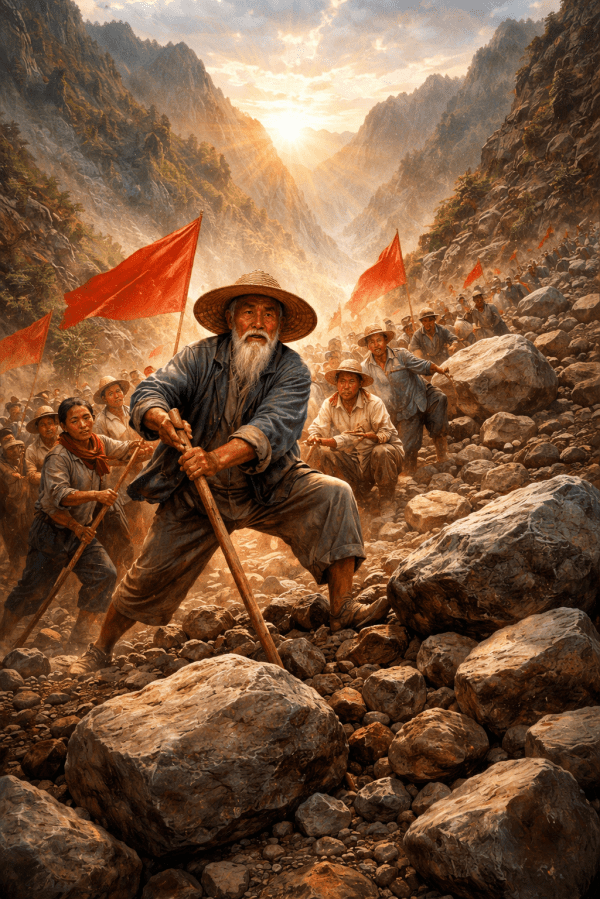
The Fool Who Moved the Mountains Still Walks Among Us: China’s Long March to Socialism and the Emergence of the Multipolar World Order
From Mao’s seizure of sovereignty to Xi’s effort to discipline capital, China’s modern history is neither a fall from revolutionary purity nor a smooth ascent into capitalism, but a protracted socialist struggle through contradiction. Each phase of development generated new class forces, new dangers, and new strategic adjustments, as the Party-state sought to preserve political... Continue Reading →