The Status Quo Has to Be Manufactured: America’s Pacific Primacy and the Rising Cost of Keeping It Alive
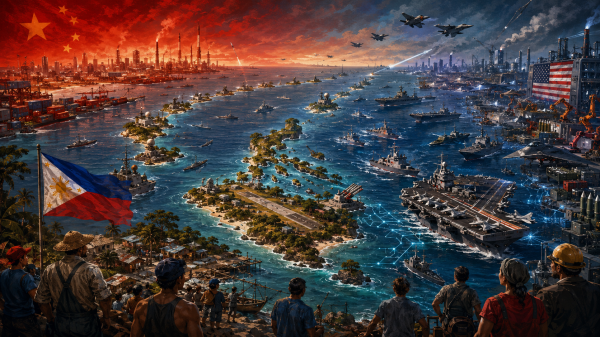
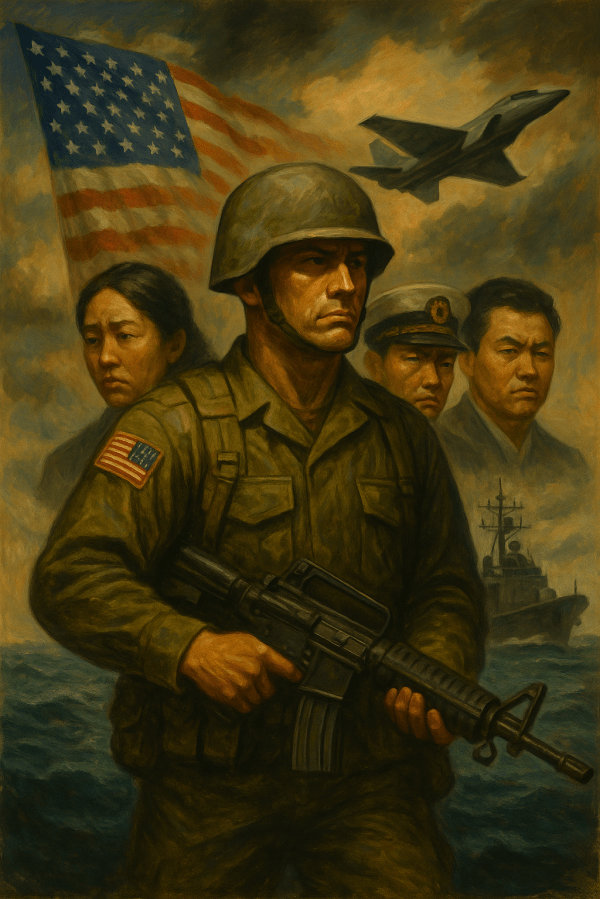
Elbridge Colby's assertion that America is the "apex predator" in military readiness disguises the troubling reality of dwindling U.S. military supremacy against a rising China. The narrative expertly choreographs U.S. responses to China's actions, framing Washington as a stabilizing force while ignoring the material consequences of its expansive military infrastructure and the burdens it places on allies like the Philippines. This contrived status quo sustains American dominance at an ever-increasing cost, presenting imperial ambitions as mere defense. The real struggle lies not in choosing a stronger predator, but in dismantling the systems that perpetuate this militarized hierarchy, exposing the true stakes of U.S. imperialism.

The Axis Washington Built: How the War Against Multipolarity Is Pushing the World Toward World War III

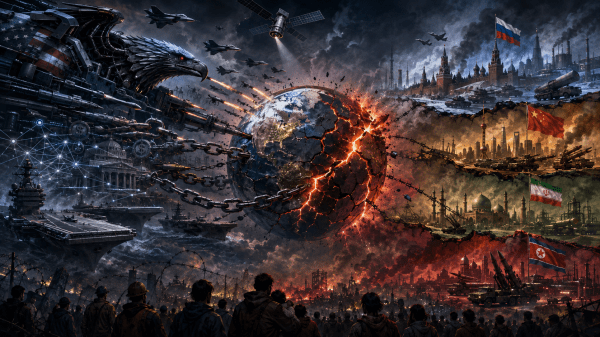
The rhetoric around a so-called "authoritarian axis" of Russia, China, Iran, and North Korea is dangerously misleading. This narrative stems from a long history of U.S. military expansion and interventionism that has fostered the very hostilities it claims to combat. Instead of viewing these nations as a monolithic threat, we must recognize that their alliances are responses to decades of American aggression and coercion. Bosco's portrayal of these entities as simple villains obscures the deeper dynamics at play, namely that U.S. actions have directly contributed to their convergence. To prevent a World War III scenario, we must dismantle the war machinery perpetuating this cycle of escalation and educate the public on these historical nuances.

Strategic Stability or Strategic Pause: The Trump–Xi Summit and the Fracturing of the American Century

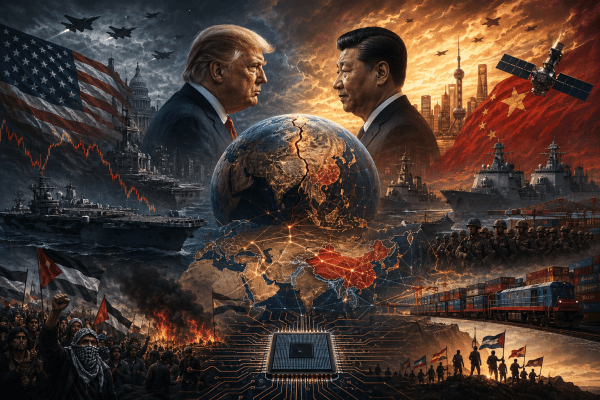
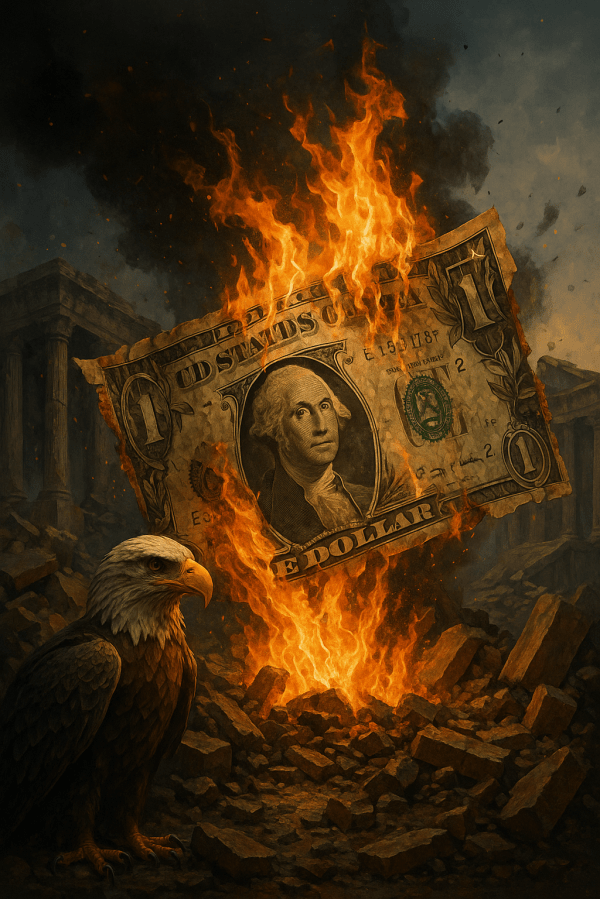
The Beijing summit epitomizes the unraveling of American supremacy, as Donald Trump arrived not merely as a president, but as a messenger of an empire in disarray. The spectacle of diplomatic niceties belied a crumbling global landscape, where the U.S. seeks containment while its capital cravenly craves access to China's vast markets. The summit revealed profound contradictions: America, armed yet impotent, involved in a tech war while reliant on the very infrastructure it seeks to undermine. As the Atlantic order falters, a multipolar era teeters on the edge, with ideological fractures foreshadowing a future fraught with uncertainty—yet, fertile for revolutionary possibilities.

Empire at the Table: Trump, Xi, and the Crisis of Unipolar Power

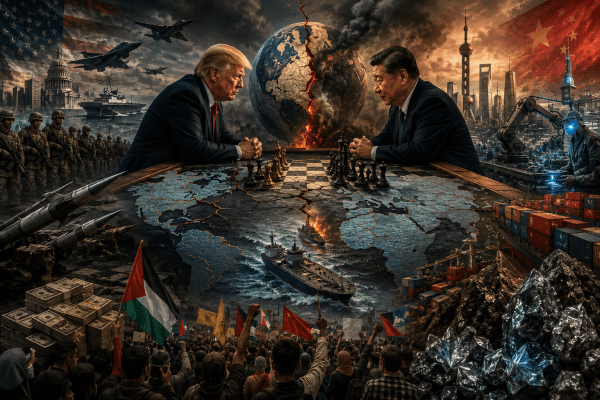
The Beijing summit is not merely a high-stakes poker game between Trump and Xi; it’s a façade hiding an imperial crisis where U.S. dominance falters amid technological decay and geopolitical strife. France 24’s framing turns complex geopolitical tensions into trivial personal confrontations, ignoring the deeper struggles over resources and sovereignty that threaten global order. As globalization erodes, emerging anti-imperialist movements ripple through nations, rejecting the casino logic of empire. The real question isn’t who holds the cards, but whether an imperial system so reliant on exploitation and coercion can adapt to a world increasingly seeking self-determination and resistance.

The Wound They Refuse to Heal: Taiwan, Empire, and the War Against Chinese Sovereignty

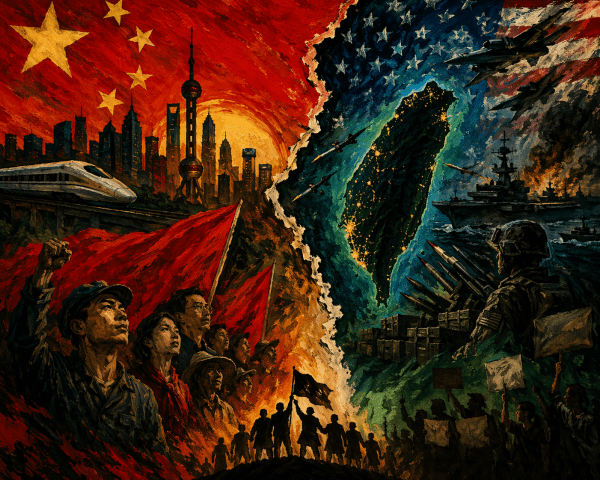
Reuters doesn’t just report events—it organizes reality through an imperial lens that disciplines how China is seen and understood. Beneath the surface, the Taiwan question reveals a dense structure of civil war legacy, U.S. militarization, legal contradictions, and economic interdependence. The truth is not “cross-strait tension,” but an unfinished revolutionary contradiction weaponized by empire to... Continue Reading →

The Occupier’s Script: U.S. Military Empire, Asian Compradors, and the Battle for East Asia’s Future

The Atlantic Council, Asia Times, and U.S.-funded scholars like Hanjin Lew are scripting a future where peace is only possible under American military occupation. This essay dismantles the psychological operation that frames Asian sovereignty as instability and imperial presence as protection. It excavates the buried histories of U.S. war crimes, suppressed diplomacy, and regional movements... Continue Reading →

Empire in a Lab Coat: Nvidia, AI, and the Reindustrialization of American Imperialism

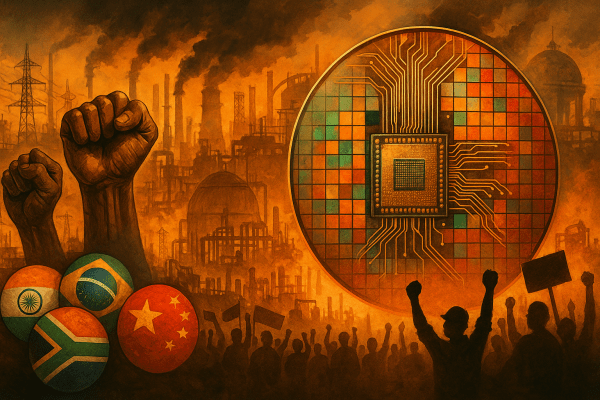
Behind CNN’s techno-optimist veneer lies a blueprint for digital counterinsurgency—where chip factories become fortresses, AI becomes empire’s algorithm, and reindustrialization masks a deeper imperial recalibration.By Prince Kapone | Weaponized Information | July 15, 2025Silicon Nostalgia and the Gospel of Industrial Renewal On July 13, 2025, CNN Business published an article by Auzinea Bacon titled “Nvidia’s... Continue Reading →

Bradsher’s Blindspot: China’s Industrial Logic Defies the Collapse Narrative

U.S. media frames falling Chinese prices as deflationary doom, but behind the headlines lies a deliberate strategy of scaled production, subsidized green tech, and trade rerouting—imperial protectionism can’t keep up.By Prince Kapone | Weaponized Information | July 15, 2025Economy Without Context: The New York Times Performs Statistical OrientalismOn July 14, 2025, The New York Times... Continue Reading →

Redlines: June 6, 2025

Redlines – June 6, 2025Daily Dispatches from the Frontlines of Empire: Exposing Capitalist Crisis, Imperialist Recalibration, and the Global Struggle for LiberationAFRICAAFC Touts “$4 Trillion” in African Capital—but Who Really Holds the Keys?The Africa Finance Corporation is claiming that the continent has over $4 trillion in local capital that could be used to fund infrastructure.... Continue Reading →

Website Powered by WordPress.com.

Up ↑