The Development Racket: How the World Bank Repackages Empire in Burkina Faso

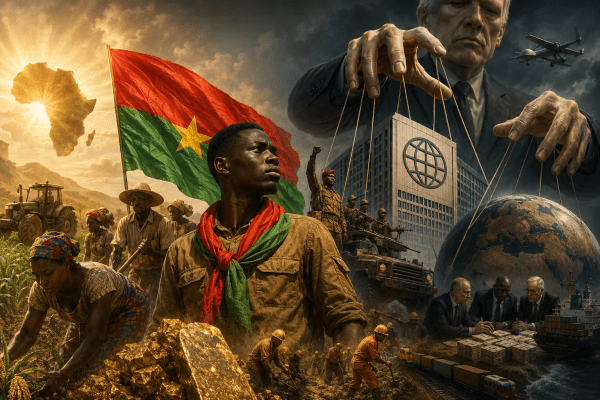
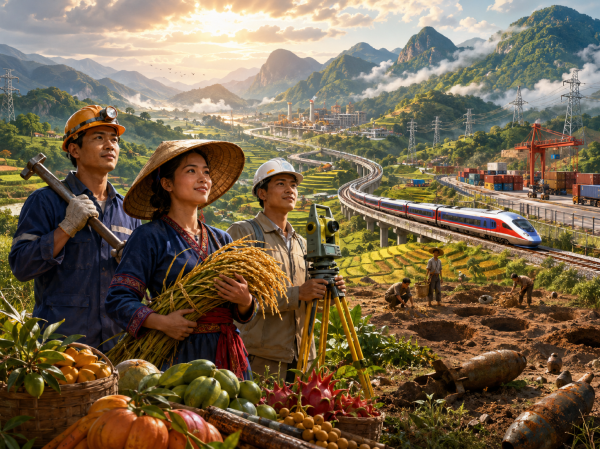
The World Bank's report on Burkina Faso masquerades as a beacon of growth while burying the sinister realities of imperialism and neoliberal domination. Beneath the polished metrics of economic success lies a nation striving for food and resource sovereignty, grappling with the vestiges of colonial exploitation. This report, cloaked in the language of reform, manipulates narratives to maintain control, ignoring the voices of those truly affected. Burkina Faso’s fight against the systems that dictate their development is not a mere economic story; it's a battleground for sovereignty, pitting genuine progress against imperial interests that aim to manage rather than liberate.

The Red Scare Has a Filing Cabinet: CNN, Communism, and the Policing of American Thought

CNN turns deleted tweets into an anti-communist dossier while burying the housing, healthcare, immigration, education, and antiwar demands that made Darializa Avila Chevalier’s campaign matter. The article inherits a long U.S. tradition where communism is treated not as a political position but as contamination. The real story is capitalism’s fear that workers might learn the... Continue Reading →

The Hunger Chain: How Trump Feeds Capital and Disciplines the Hungry

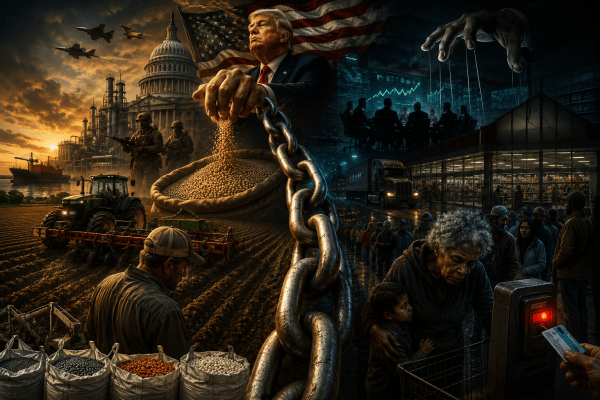
In a striking reveal, Fox celebrates Trump's fertilizer emergency as a boon for farmers, yet this facade obscures the underlying fragility of our food system reliant on state intervention. While fertilizer access gets prioritized, the true cost is hidden: a monopolized market where agribusiness thrives as workers face hunger, suspicion, and administrative punishment. Trump's regime twists food security into a mechanism for capital gain, revealing a stark disparity in state response; when profit is threatened, intervention is swift, but when workers struggle for sustenance, they face scrutiny. The urgent call is for food power—community sovereignty, mutual aid, and a radical rethinking of food as a right, not a commodity.

Keeping to the Socialist Path: Laos, China, and the Machinery of South-South Development

The June 2026 Laos-China state visit unfolded as a significant convergence between two socialist nations navigating their intertwined ambitions amid a capitalist-imperialist world. Rather than surrendering to the narrative of a “debt trap,” Laos and China embraced a collaboration marked by political intent, evidenced in thirty-two agreements across sectors like agriculture and technology. This partnership aims to transform Laos into a self-sufficient state, guided by its revolutionary history. The imperial media, however, conveniently ignored this cooperation, as it undermines their narrative of helpless nations. Laos, now reclaiming agency, is no longer portrayed as a mere victim but as a sovereign actor defining its path to development.

They Called It Ego: Jacobin, Chris Smalls, and the Policing of Black Anti-Imperialist Labor

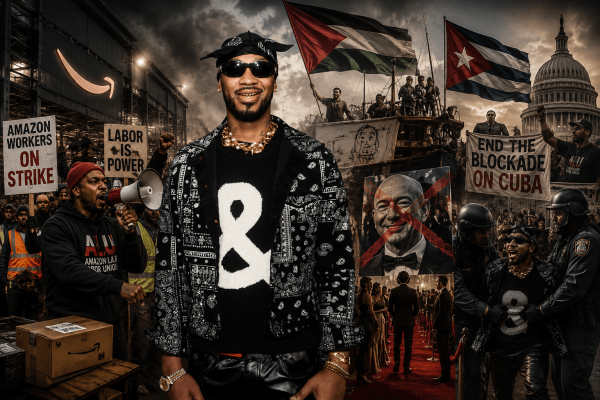
Chris Smalls, once heralded as a labor hero, now finds himself a casualty of overblown ego in the eyes of Jacobin. Yet, this portrayal dangerously obscures a deeper truth: his evolution from solely confronting Amazon to advocating for Palestinian and Cuban solidarity reveals an unsettling fear among the respectable Left. They're comfortable with labor militancy as long as it remains contained and domesticated; once it branches into anti-imperialism, they recoil. Smalls symbolizes a challenge to the status quo, an unfiltered confrontation with empire that threatens to redefine labor politics as an international struggle. In essence, the fear of a Black worker embracing a global perspective exposes the fragile backbone of contemporary Leftist thought.

Inside the House of Cards: How Empire Manages Crisis Through Memory, Civility, and Myth

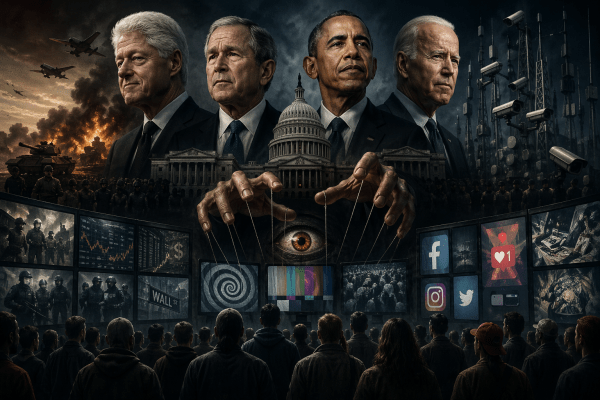
Four former presidents gather under corporate media lights to present democracy as a shared moral inheritance, grounded in unity, civility, and participation. Beneath that performance lies a material history of deregulation, war, surveillance, and repression that produced the very crisis now being discussed. The interview reveals not reflection, but a ruling-class effort to manage legitimacy... Continue Reading →

Politico and the Art of Imperial Whispering: How Narrative Manages Crisis, War, and a Fracturing Western Bloc

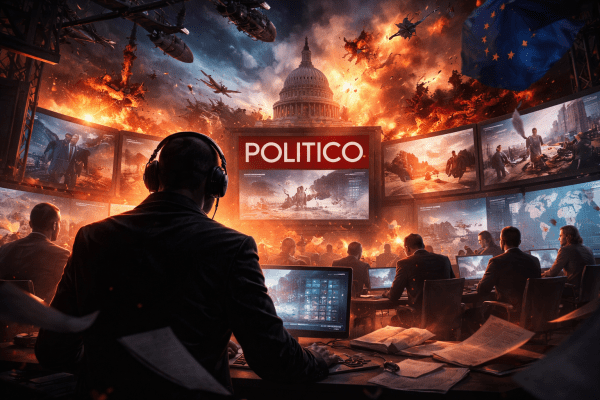
What presents itself as sober reporting reveals, on closer inspection, a carefully arranged narrative that fragments reality into isolated claims while obscuring the material ground beneath them. A close reading exposes the specific devices through which uncertainty is manufactured, alliances are subtly disciplined, and strategic tensions are recast as manageable intrigue. When the missing historical,... Continue Reading →

When the Count Stops, The Coup Begins: Unmasking Honduras’ Managed Election

A close reading of The Guardian’s coverage reveals how liberal reporting turns a live electoral coup into a polite dispute. The fuller record shows a collapsing vote-counting system, withheld tally sheets, biometric inconsistencies, and open foreign pressure. These dynamics expose a deeper pattern in which imperial power and neocolonial compradors shape electoral outcomes across the... Continue Reading →

From “Stay Woke” To American Dreaming: The Liberal Capture of Identity Politics, the Rise of DEI, and the Soft Counterinsurgency That Replaced Revolution With Representation

How a radical method of seeing the empire became a tool for managing it, and why reclaiming “woke” requires breaking with the settler state and realigning with global anti-imperialist struggleBy Prince Kapone | Weaponized Information | December 6, 2025When “Woke” Left Home and Got Jumped by the EmpireOnce upon a time, before cable news discovered... Continue Reading →

Website Powered by WordPress.com.

Up ↑