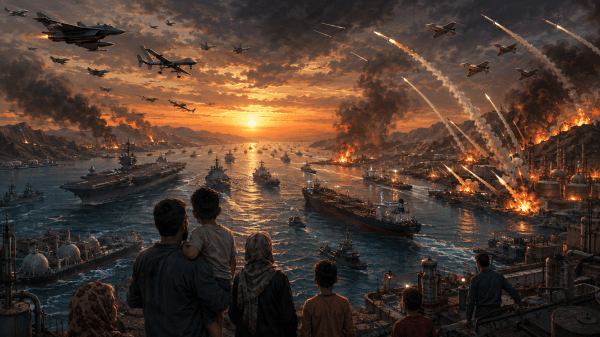
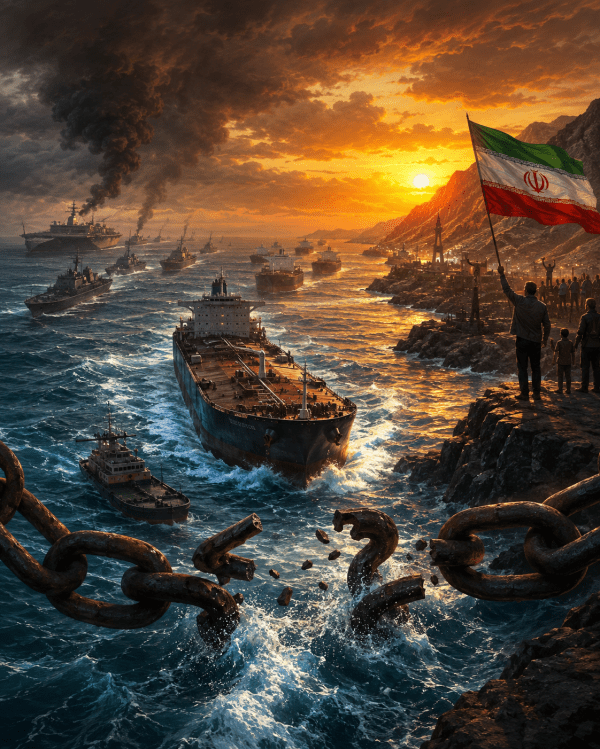
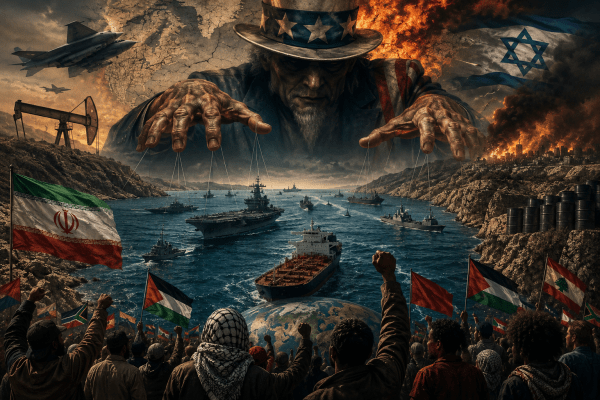
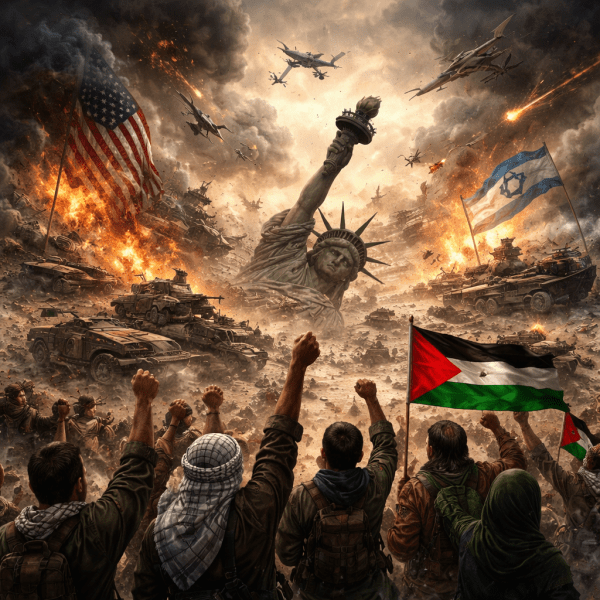
In a tale of diplomacy that sounds more like a sitcom plot, the Associated Press managed to frame U.S.-Israeli power plays as polite conversation while depicting Iran’s resistance as a chaotic tantrum. Imagine a landlord demanding rent while simultaneously hammering a "peace" sign into the wall—classic! The article promotes a narrative where blocking a nation is just “maritime security,” leaving readers to wonder if the actual level of aggression got lost in translation. Amid drones and oil price panic, the main issue lurking around like an unwelcome relative is whether nations can truly be sovereign or if they must politely obey the empire’s whims. It's a comedy of imperial contradictions, where legality bends more than a yoga instructor under pressure!
The Corridors of Defiance: How the War on Iran Accelerated the Multipolar Reorganization of Western Asia
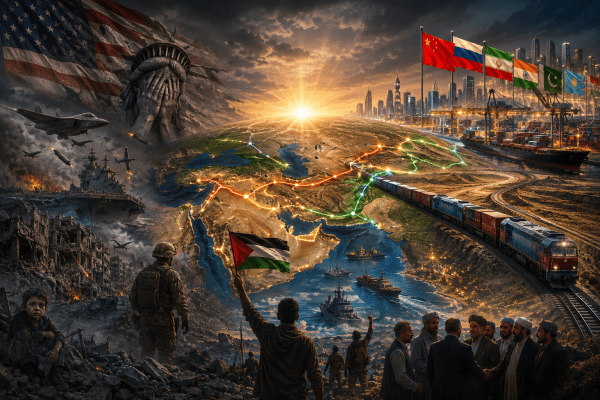
The 2026 U.S.-Israeli assault on Iran was a strategic miscalculation, intended to reassert imperial dominance in Western Asia but instead revealing the fragility of Atlantic hegemony. As the old security architecture eroded, alternative infrastructures and regional alliances emerged, facilitating trade and cooperation beyond Western control. The ongoing crises connected Gaza, Yemen, and the vital sea lanes, illustrating that military aggression has backfired, prompting regional states to recalibrate and seek resilience against imperialism. This war exposed a transformative geopolitical landscape, where logistics and diplomatic maneuvers are increasingly driven by necessity, carving out a multipolar future and undermining the sheer authority once held by the empire.
Starve the Island, Blame the Victim: How Empire Turns Siege into “Defiance”
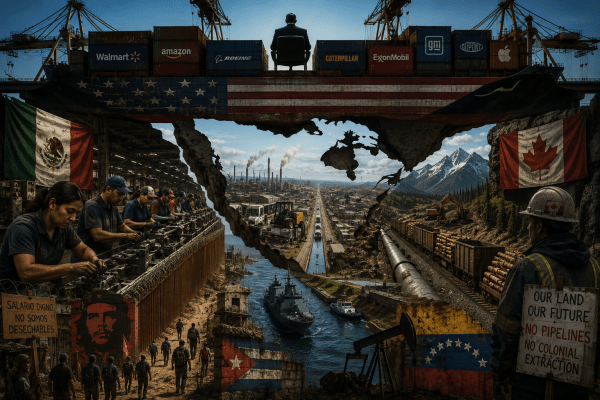
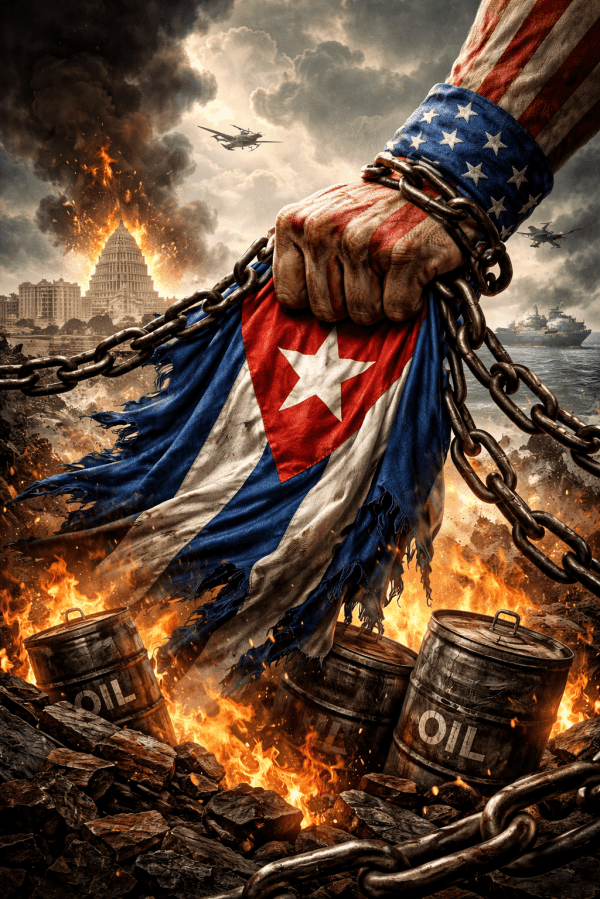
The New York Times repackages economic warfare as diplomatic tension, presenting Cuba’s resistance as irrational defiance rather than a response to material coercion. A reconstruction of the facts reveals a deliberate strategy of energy strangulation, financial restriction, and calibrated pressure designed to destabilize Cuban society from within. When these conditions are placed back at the... Continue Reading →
When Empire Calls Its Own Gamble a Miscalculation
A Weaponized Propaganda Excavation of how the New York Times launders imperial war through the language of strategic error.By Prince Kapone | Weaponized Information | March 12, 2026The Tears of the ArsonistThere is a familiar ritual in the house organs of empire. First the bombs fall, then the panic sets in, and then some respectable... Continue Reading →
Reuters’ “Market Story” and the American Pole: PetroChina, Venezuelan Oil, and the Siege That Calls Itself Trade
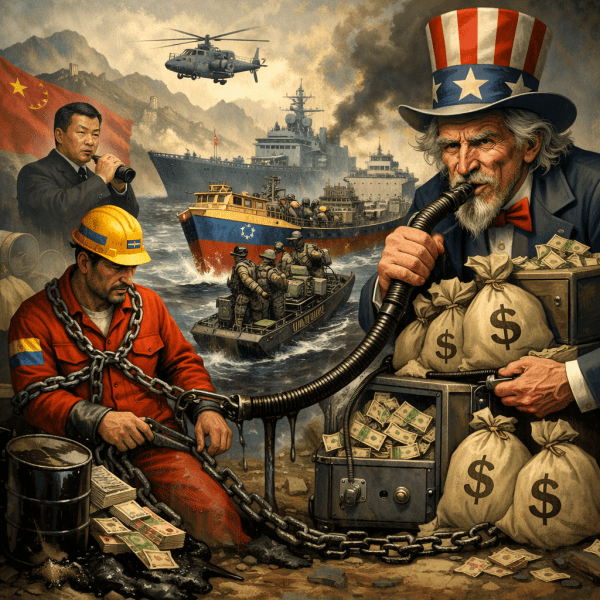
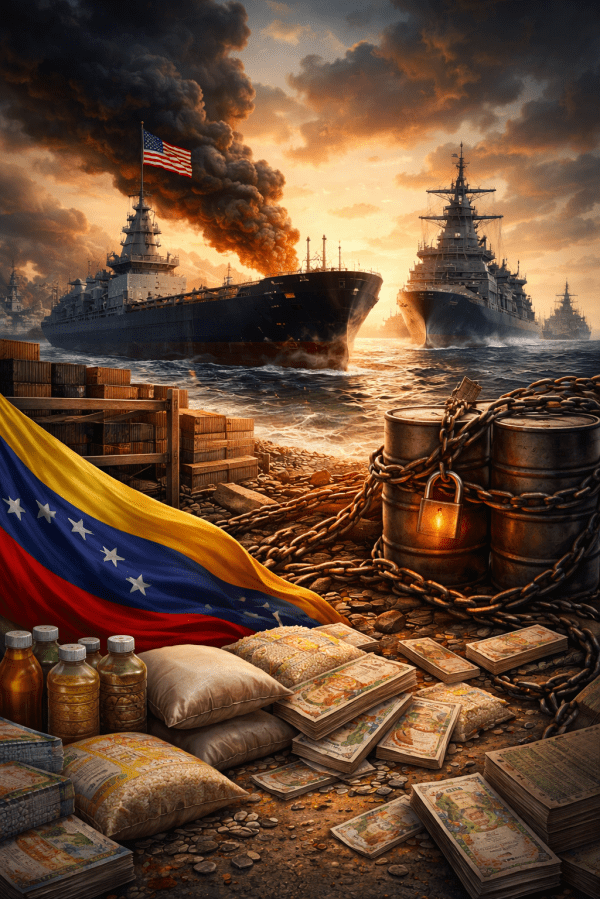
Reuters sells custodial plunder as a pricing issue, turning blockade into “market caution.” We restore the missing record: seizures, supervision, and the re-routing of Venezuelan oil revenue through imperial hands. We reframe the contradiction as doctrine—Fortress America tightening hemispheric command as multipolar escape routes multiply. We close with a call to organize: break the information... Continue Reading →
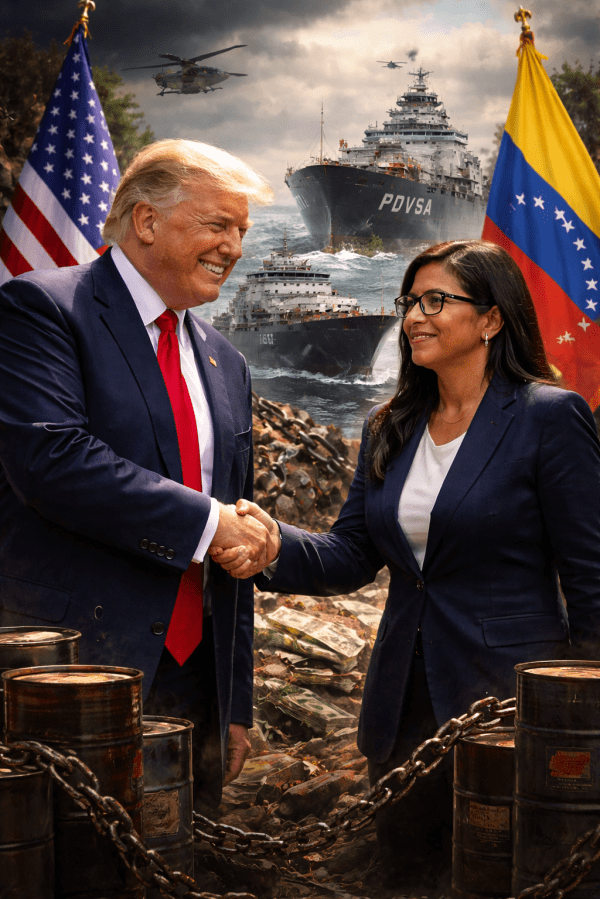
When Empire Smiles, Check Your Pockets: The Myth of a Trump–Rodríguez “Reset”
CNN wants the reader to see a new partnership forming in Caracas: a phone call, oil talk, CIA photo-ops, deportations back on schedule. But under siege, smiles are signals—and “warming relations” often means the empire believes it has found a manager, not a partner. We excavate the story’s framing and then trace the concrete leverage... Continue Reading →
Fortress America and the Oil Ultimatum: Venezuela, Hyper-Imperialism, and the Open Consolidation of the American Pole
This essay argues that Trump 2.0 marks the open phase of U.S. hyper-imperialism, where coercion replaces consent and hemispheric dominance is enforced without disguise. Using Venezuela as the central case, it traces how leader abduction, naval encirclement, oil custodianship, and legal warfare form a consolidated strategy to subordinate sovereign states to the American Pole under... Continue Reading →
Trump, the U.S. Navy, and the BBC’s Gunboat Narrative
How “Narco-Terrorism” Became the Alibi for Blockade, Sanctions, and the Collision Between U.S. Maritime Power and Venezuelan Sovereignty By Prince Kapone | Weaponized Information | December 18, 2025 When Criminality Explains Everything and War Explains Nothing Our target is the BBC News report, “Venezuela denounces Trump’s order for ship blockade as ‘warmongering threats’” The article... Continue Reading →
Ghost Ships, Red Law: Yemen, Empire, and the War at the Chokepoint
A Telegraph panic dispatch frames Yemen’s maritime resistance as “terrorism,” but the real story is imperial unraveling. Beneath the propaganda lies a decade of siege, blockade, and the legal basis for revolutionary reprisal. Ansar Allah isn’t disrupting trade—they’re enforcing the Genocide Convention with rusted ships and militant clarity. From ports to pension funds, the rest... Continue Reading →
Theater of Protection: CNN, Japan, and the Manufacturing of Pacific Militarism
How corporate media scripts war as defense, omits empire from view, and repositions Japan as a frontline state in the U.S. Indo-Pacific war machineBy Prince Kapone | Weaponized InformationJuly 17, 2025🟥 Weaponized Neutrality: How CNN Manufactures Consent for Pacific MilitarizationOn July 16, 2025, CNN published an article by Brad Lendon titled “China, North Korea and... Continue Reading →