The Rear Grew Teeth: Europe Rearms the Empire and Builds the Means to Defy It

Europe stands at a crossroads, teetering between aspiration and disillusionment. While citizens envision a unified continent brimming with strength, their faith in existing structures crumbles under the weight of slow responses and dependency on America. With rising defense spending and manufacturing capacities, the stakes are high: will this newfound power serve the elite monopolies or empower the working class? The far-right feeds on feelings of decline, masking deeper questions about control and ownership. The real issue isn't a lack of imagination but the dire need for command: who controls Europe’s burgeoning power? The fight for true sovereignty—socially and politically—has only just begun.

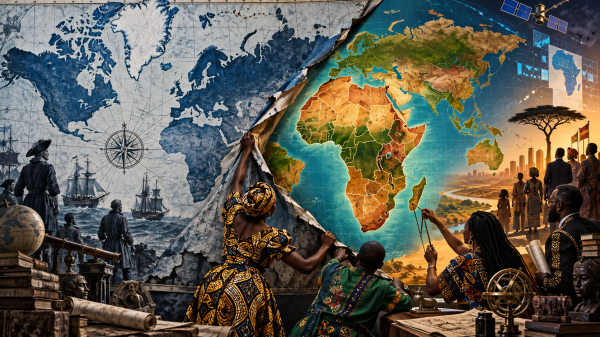
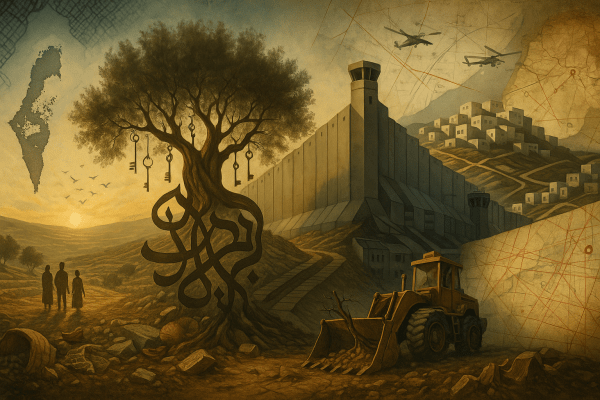
Convenience Inherited an Empire: Africa Puts the World Map on Trial

Mercator’s projection began as a useful tool for sailors, not a colonial conspiracy. But publishers, schools, governments, and later digital platforms carried its distorted view of continental scale far beyond navigation, turning a technical choice into inherited common sense. This essay traces how colonial cartography made geographic knowledge part of territorial command, how Web Mercator gave the old projection a new technological life, and how African political organization transformed the issue into a struggle over narrative sovereignty. The UN vote to “correct the map” matters—but a fairer image of Africa is only one front in the larger fight over who gets to define, produce, and control global knowledge.

Marx and Engels Against Their Own Ghosts: The German Ideology and the Fight to Keep Materialism Inside History

Marx and Engels' The German Ideology brutally uncovers the egregious folly of detaching philosophy from material conditions. They weaponize critiques of German idealists, exposing how revolutionary thought that ignores the tangible, lived experiences of class struggle morphs into mere ideology. Highlighting the perils of alienation, they assert that human powers can unwittingly turn oppressive when subjected to capitalist structures. Moreover, they admonish socialists who, by elevating abstract ideas above real movements, dilute the revolutionary essence of their theories. In a world increasingly interlinked yet profoundly unequal, their insistence on rooting ideas in concrete history remains a clarion call for genuine transformation against ideological hauntings.

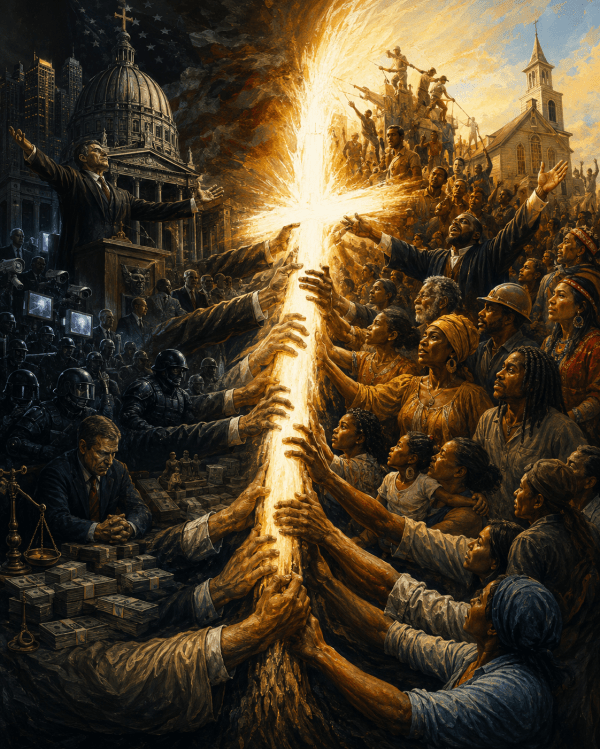
Whose Gospel Is It?: Empire, the Oppressed, and the Battle for Christianity

The profound legacy of American Christianity reveals a striking dichotomy: a faith that has historically upheld domination and one that fervently resists it. From the hidden church of the enslaved to Black abolitionism and Indigenous Christian defiance, oppressed communities have seized the Gospel to construct their liberation narrative. As institutional power consolidated in the hands of reactionary forces, an urgent call emerged for believers to reclaim their spiritual heritage and resist Christian nationalism. The challenge lies in forging an organized Christian movement capable of translating faith into collective action that confronts exploitation and promotes social justice, reinvigorating the powerful tradition of liberation Christianity.

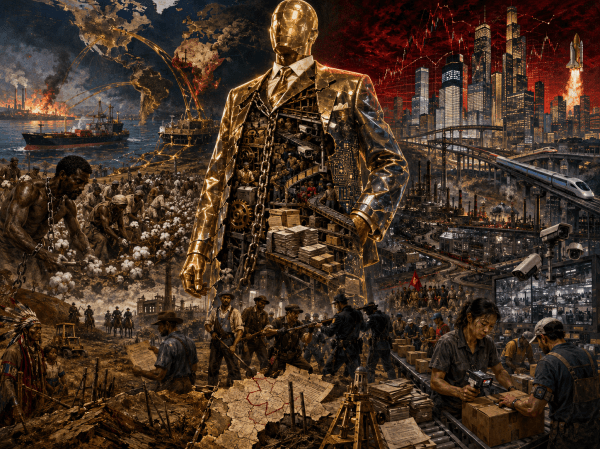
The Billionaire Is a Receipt: America’s Stolen Ledger of Wealth

The Wall Street Journal tells a fairy tale in which billionaires create wealth while workers, enslaved people, Indigenous nations, Black farmers, public institutions, and the Global South disappear from the ledger. This excavation restores the buried history beneath American fortunes: conquest, slavery, land theft, union-breaking, financial extraction, digital surveillance, and unequal exchange. The real divide is not between innovators and envious socialists, but between the masses who collectively produce social wealth and the minority whose property claims grant them command over it. The answer is organization—from the shop floor to the wider struggle for collective control over humanity’s abundance.

Author, Authority, and Empire: How “Authoritarian” Became Political Science’s Favorite Weapon Against Mass Power

This essay is part of Weaponized Information’s larger project to forge a new discipline of political science—one that treats politics as the scientific study of power: how it is accumulated, organized, enforced, and resisted. In “Towards a New Political Science: Politics as the Science of Power”, we broke with procedural political science and its canon... Continue Reading →

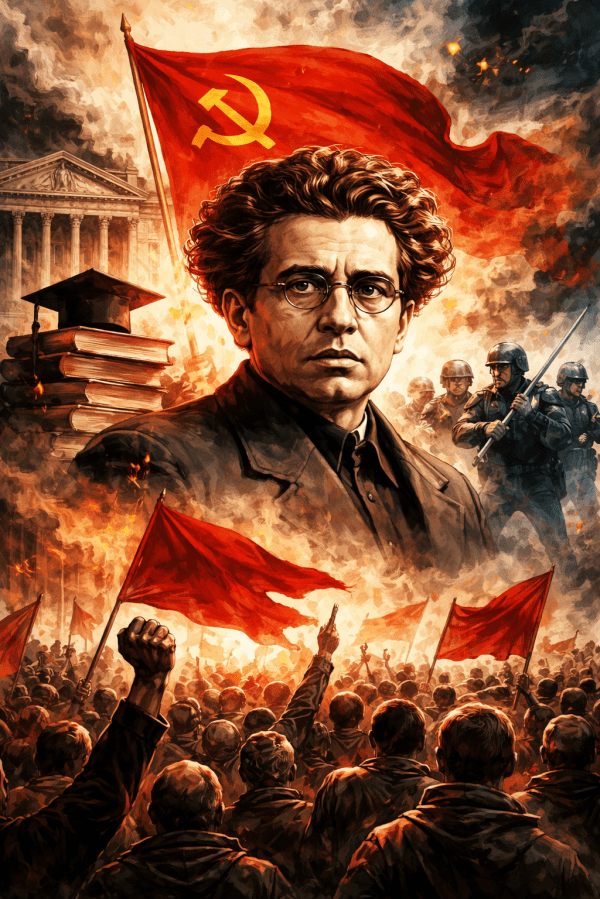
Gramsci Disarmed: How Empire Turned a Communist Strategist into a Cultural Mascot

A polemical reconstruction of Antonio Gramsci as a Leninist revolutionary whose theory of hegemony was forged to solve the problem of power under advanced capitalism—and how imperial academia captured, fragmented, and neutralized that theory to manage dissent rather than overthrow domination.By Prince Kapone | Weaponized Information | December 22, 2025Gramsci in the Imperial Seminar RoomIn... Continue Reading →

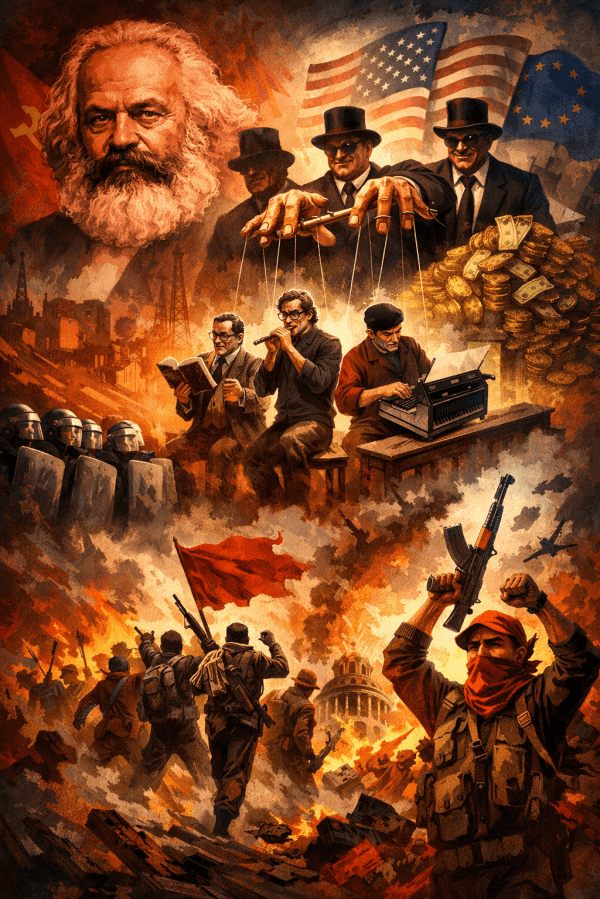
Who Paid the Pipers? Empire’s Safe Marxism and the War on Revolutionary Consciousness

A Weaponized Intellects review of Gabriel Rockhill’s Who Paid the Pipers of Western Marxism? — exposing Western Marxism as an imperial product, tracing the institutional machinery that manufactures “harmless” radicalism, and reclaiming Marxism as an anti-imperialist weapon for the global working class and colonized nations. By Prince Kapone | Weaponized Information — Weaponized Intellects Book... Continue Reading →

Website Powered by WordPress.com.

Up ↑