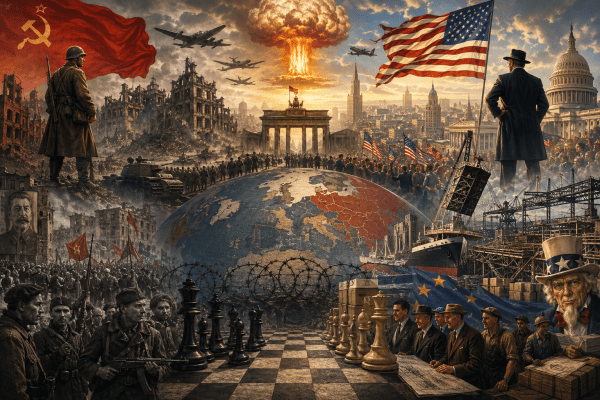
From Alliance to Containment: How Anglo-American Power Engineered the Cold War

The essay provocatively dismantles the myth that the Cold War was merely a reaction to "Soviet aggression." Instead, it reveals it as America's calculated strategy to reinforce a capitalist world order post-World War II, driven by anxieties over rising leftist movements and anti-colonial uprisings. It highlights how the U.S. initiated a campaign of political warfare and economic reconstruction through the Marshall Plan, effectively shaping Europe and other regions under its imperial influence. To Washington, the real danger was not communism but the threat of genuine independence that challenged capitalist dominance. The Cold War was less about ideological battles and more about inter-imperialist struggles to determine global economic control.

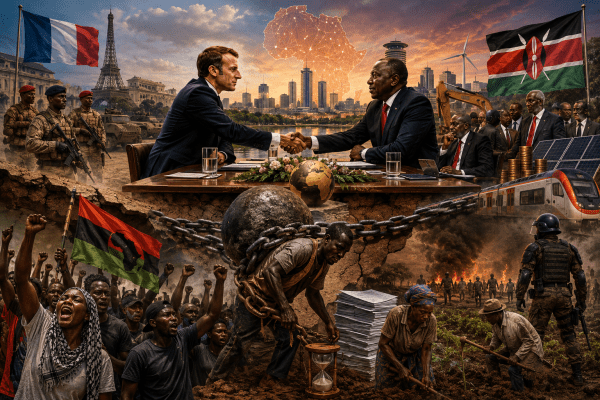
Françafrique Forward: Macron, Ruto, and the Nairobi Trap of Imperial Recalibration

The Africa Forward Summit in Nairobi is nothing more than a polished façade for France's enduring imperial ambitions in Africa, cleverly cloaked in the language of innovation and partnership. While hailed as a diplomatic reset as it moves outside Francophone Africa for the first time, the summit simply signals France’s desperation to regain footholds after being ousted from the Sahel. As Kenya grapples with its own debt crisis, the summit reflects a deeper reality: a struggle for sovereignty masked by corporate rhetoric. Opposing forces are mobilizing against this repackaging of imperialism, unearthing the true narrative of resistance against old empires in new guises.

After the Empire — Before the Collapse

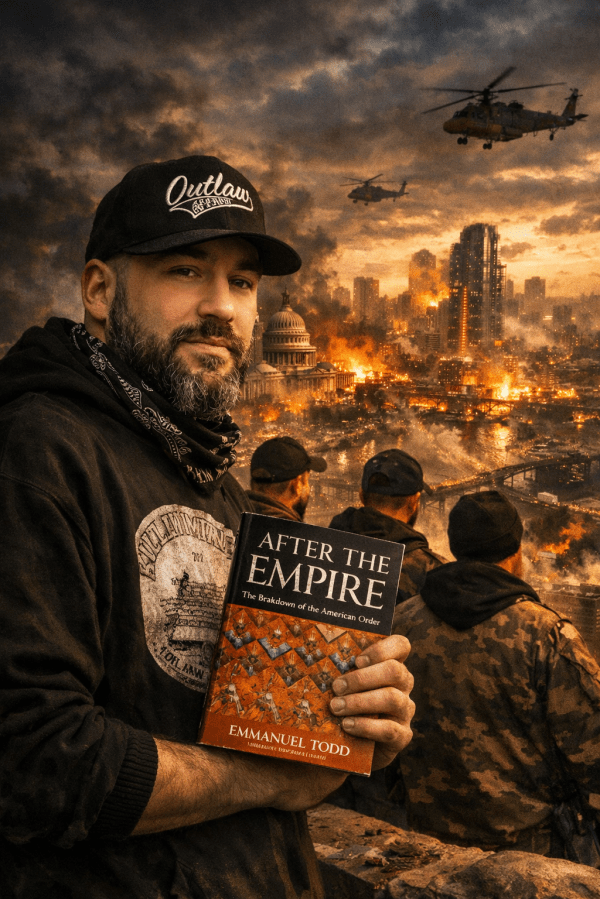
When Emmanuel Todd wrote After the Empire, Washington still believed it ruled a permanent unipolar world. Todd saw something different: an empire sustained less by production than by financial tribute and military spectacle. Two decades later the contradictions he described—economic dependency, micromilitarism, and ideological decay—have matured into the turbulent transition now reshaping global power.By Prince... Continue Reading →

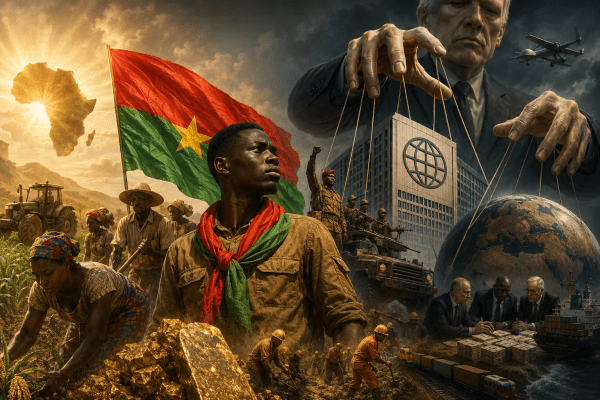
Burkina Faso, Ghana, and Business Insider Africa: Corridor Cooperation in the Shadow of Uneven Sovereignty

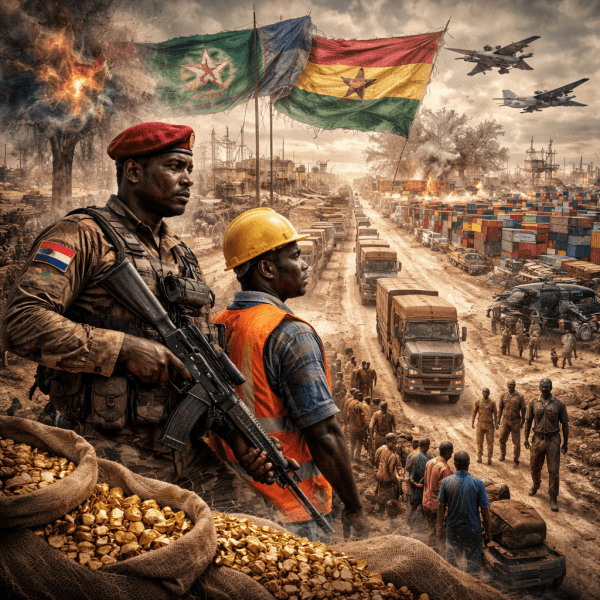
Business Insider Africa frames the Ghana–Burkina agreements as a pragmatic security and trade reset, and we begin by excavating how that cooperation is narrated. We then map the documented terrain beneath the headline: ECOWAS rupture, AES consolidation, French military withdrawal, AFRICOM continuity, gold extraction circuits, CFA monetary tether, IMF discipline, and multipolar infrastructure competition. From... Continue Reading →

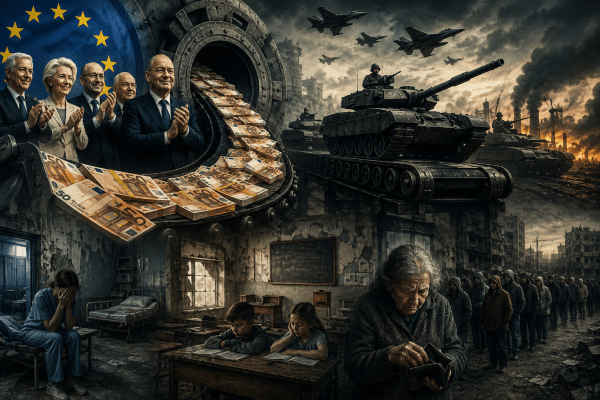
Europe’s Generals and Europe’s People: War Readiness as a Ruling-Class Project

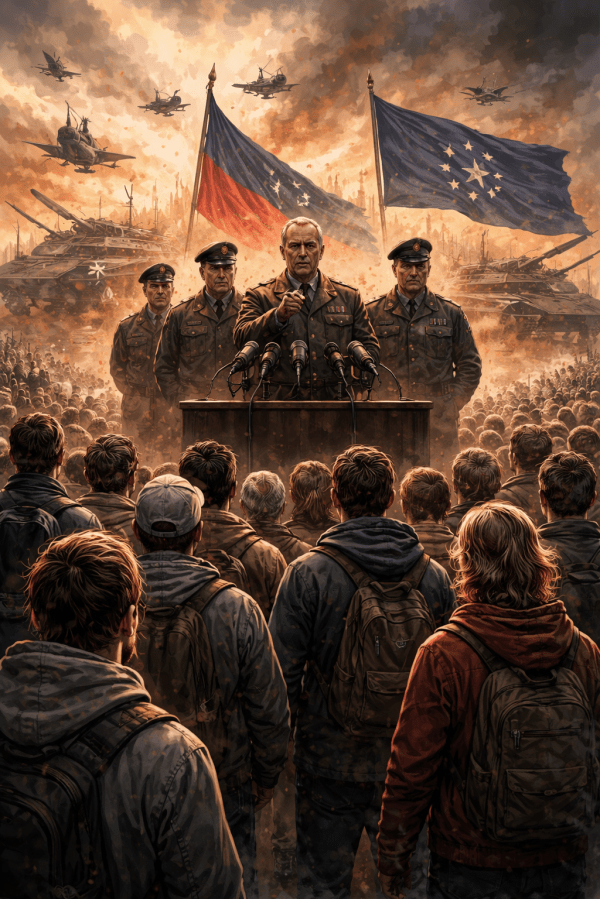
Military elites recast war as an unavoidable condition rather than a political choice. Selective facts and strategic silences transform militarization into common sense. “Preparedness” emerges as a method of social discipline under imperial strain. Working people confront a system demanding sacrifice while offering no future. By Prince Kapone | Weaponized Information | January 1, 2026... Continue Reading →

Dope, Dollars, and Domination: A People’s History of Narco-Imperialism and the Making of the American Empire

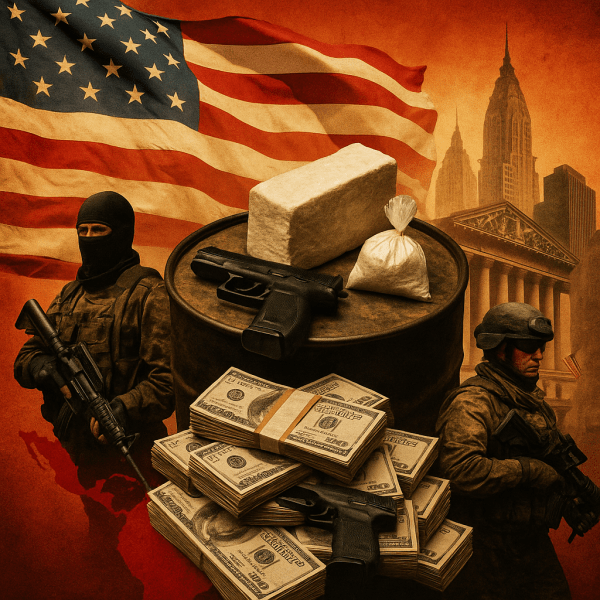
The Drug War Isn’t a War — It’s the Operating System of U.S. Empire. From opium clippers to CIA proxy armies, from Panama’s offshore laundromat to Colombia’s paramilitaries and Mexico’s neoliberal narco-state, narcotics have long served as the financial engine, covert budget, social-control mechanism, and geopolitical scaffolding of the American Pole. By Prince Kapone |... Continue Reading →

Lobito and the Long Arm of Empire: Europe’s Green Transition Runs on African Land, Labor, and Life

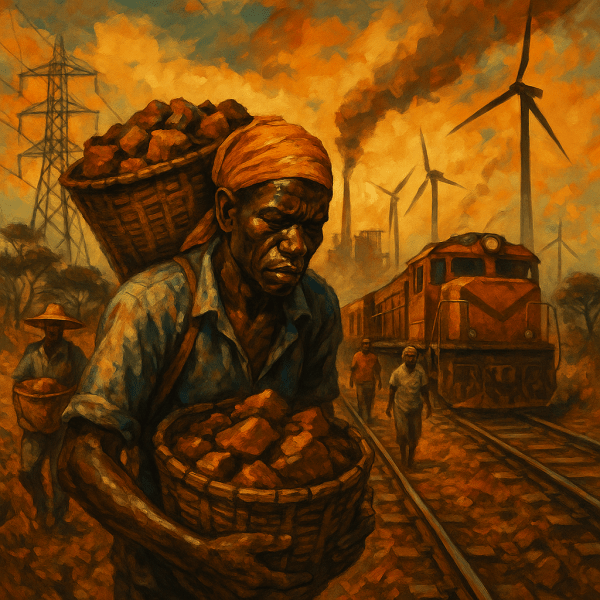
How the EU’s “model corridor” revives the colonial blueprint under the banner of sustainability— and how African workers, communities, and global movements are fighting back. By Prince Kapone | Weaponized Information | November 24, 2025 Europe’s Clean Hands Fantasy in the New Scramble for Africa The article under excavation, “In the new scramble for Africa’s... Continue Reading →

Resilience for Whom? The EU’s 2025 Strategic Foresight Report and the Crisis of Hyper-Imperialism in a Multipolar Transition

Brussels calls it “Resilience 2.0.” In reality it is a manual for managing imperial decline: shifting Europe from Russian pipelines to U.S. LNG, seizing assets through lawfare, codifying dependence on American cloud and chips, militarizing budgets, and policing speech. Across the Global South, a multipolar counter-project points toward another horizon—cooperation, sovereignty, and solidarity. The choice... Continue Reading →

Website Powered by WordPress.com.

Up ↑