The Red Menace Strikes Back: Vietnam, the DPRK, and the Collapse of Imperial Isolation

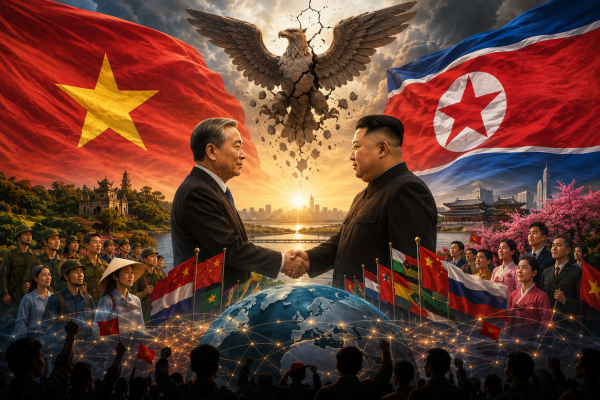
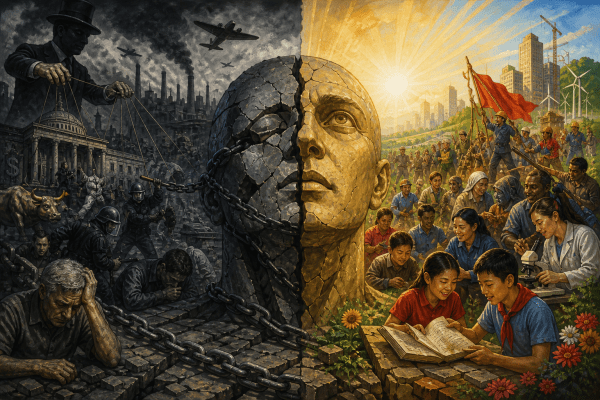
In May 2026, Vietnam's Foreign Minister met with North Korean officials, a significant yet underreported event that challenges the Western narrative of the DPRK as isolated and irrational. This meeting signifies the resurgence of socialist internationalism and the resilience of anti-imperialist relations against a U.S.-dominated order. Vietnam asserts its independence by maintaining ties with a historically aligned state despite pressures to conform to U.S. interests, illustrating a defiance of binary political expectations dictated by Western powers. As these two nations deepen cooperation, they expose cracks in imperial control, revealing that sovereignty endures in the face of sanctions and coercion.

Failure According to Whom?: Rewriting the Metrics of Socialism

The pervasive claim that socialism has "failed" is an ideological construct rather than a factual statement. A closer analysis reveals that socialist systems, from the Soviet Union to China, achieved measurable gains in education, health, and economic development under dire conditions. This narrative of failure is not supported by historical evidence but rather is a product of a century-long ideological war against socialism. Capitalism, meanwhile, perpetuates crises, inequality, and social fragmentation, failing to meet human needs. The real question is not why socialism fails, but how it has transformed societies when confronted with immense challenges, challenging the ruling narrative that defines success so narrowly.

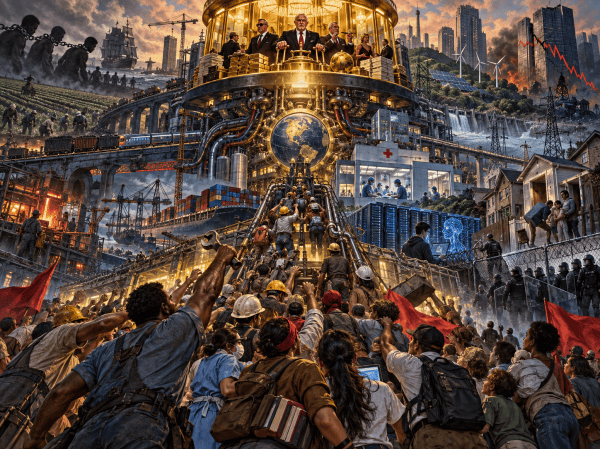
From Imperial Plunder to Socialist Possibility: Capitalism, Dependency, and the Road to Sovereign Development

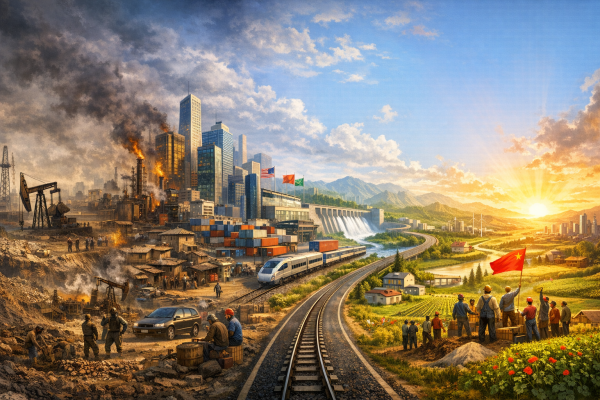
Development is not a neutral path but a historical process forged through conquest, extraction, and domination. Underdevelopment is not a failure to advance, but the condition produced by integration into a world system structured by imperial power. As the crisis of global capitalism deepens and the space for sovereign maneuver widens yet destabilizes, nations are... Continue Reading →

The Origins of the Korean War: From Colonial Rupture to Contained Revolution

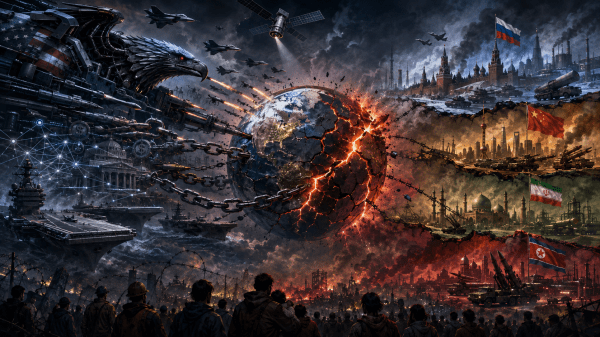
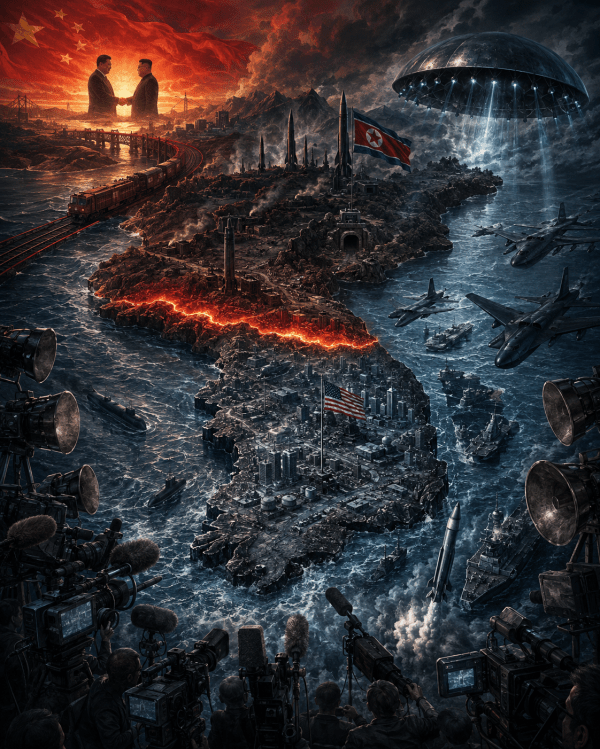
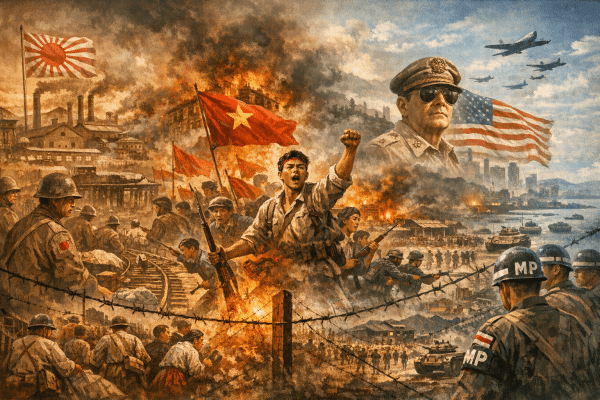
This review reconstructs the Korean War not as a sudden conflict in 1950, but as the culmination of colonial transformation, revolutionary struggle, and imperial intervention between 1945 and 1947. Drawing on Bruce Cumings, it reveals how liberation opened a radical possibility that was contained, divided, and ultimately reshaped into two opposing systems—making war not accidental,... Continue Reading →

Borrowed Flags, Built-In Crisis: South Korea’s Anti-Communist State Cracks Under Its Own Weight

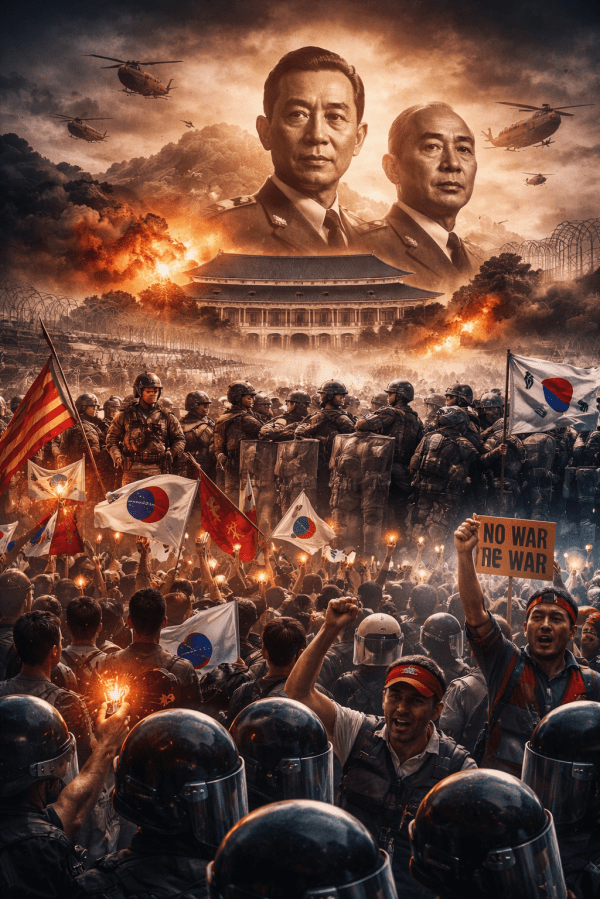
POLITICO turns a deep political rupture into spectacle, masking a crisis rooted in repression, dependency, and anti-communist rule. Beneath that spectacle lies a system shaped by coup attempts, militarized governance, U.S. command integration, and a society strained by inequality and dislocation. What appears as imported MAGA politics is in reality an old state logic speaking... Continue Reading →

The Independent’s Imperial Blindness: How North Korea and Belarus Refuse Isolation and Build Under Siege

The Independent recasts the DPRK–Belarus treaty as suspicious alignment while obscuring sanctions, war, and coercion shaping both states. The actual record shows concrete agreements across food, healthcare, industry, and education built through ongoing diplomatic coordination. These developments emerge from Korea’s imposed partition, Belarus’s post-Soviet Western pressure, and their shared positioning alongside Russia in the Ukraine... Continue Reading →

The Party That Wouldn’t Break: Kim Jong Un and the Dialectic of Socialist Permanence

At the 80th anniversary of the Workers’ Party of Korea, Kim Jong Un reasserts the moral and political grammar of a revolution that endures by self-correction, unity, and defiance—transforming siege into pedagogy, hardship into method, and permanence into proof of socialism’s vitality.By Prince Kapone | Weaponized Information | October 11, 2025Pyongyang, October 10 — The... Continue Reading →

Website Powered by WordPress.com.

Up ↑