Democracy Beyond Washington’s Ballot: Nicaragua Builds a Wall Against Imperial Restoration

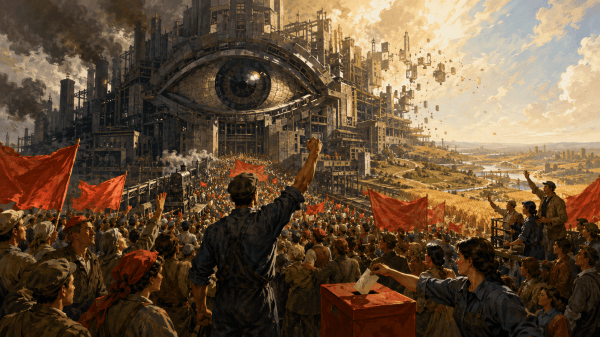
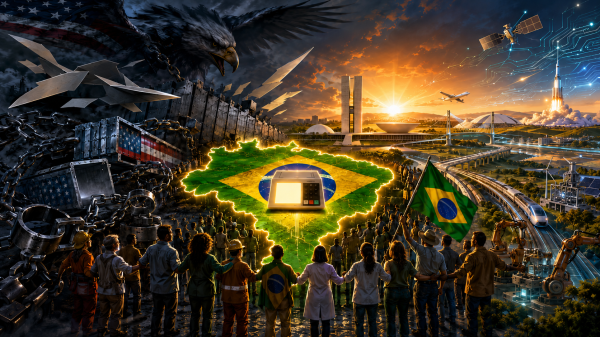
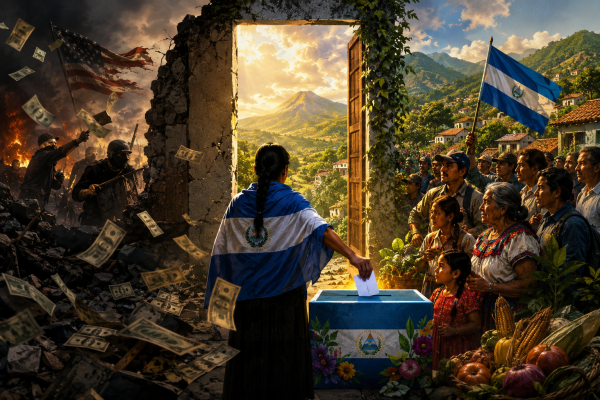
Daniel Ortega’s recent announcement that Nicaragua will cease future elections is portrayed by The Guardian as a blatant rejection of democracy, conveniently ignoring the historical context of imperial influences shaping Nicaraguan electoral politics. The claim that opposition parties are the embodiment of democracy is a façade; previous elections were tainted by U.S. interference, corporate financing, and foreign-imposed sanctions. Ortega's call to defend the Sandinista Revolution against imperial restoration isn’t about tyranny; it’s about reclaiming sovereignty from an electoral process manipulated by outside forces. Instead of clinging to an imperial framework, this moment presents an opportunity for Nicaragua to build a democracy rooted in popular power and authentic participation.

The Foreign Enemy Fraud: From Russiagate’s Thought Police to Chinagate’s Electoral Cage

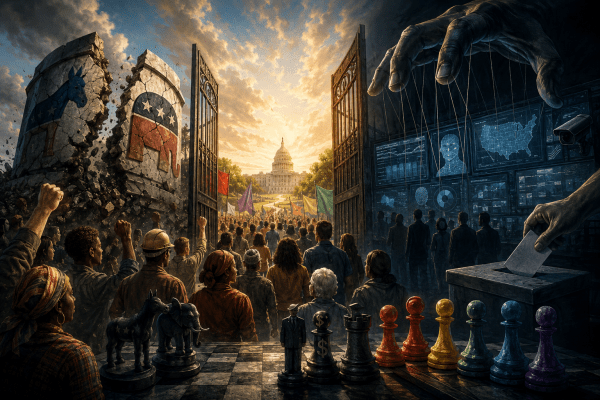
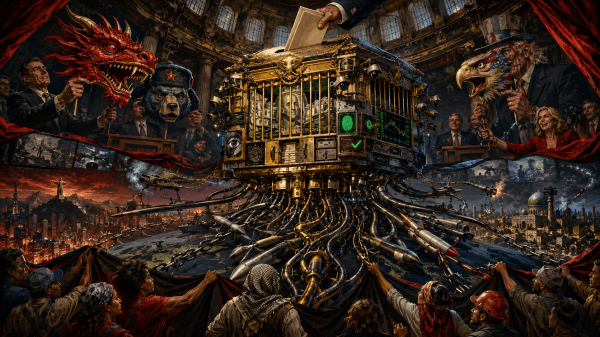
David Corn's resurrection of Russiagate in response to Trump's accusations of Chinagate exposes the absurdity of electoral politics in a billionaire-dominated America. By framing the discourse as a conflict between foreign adversaries—Russia or China—Corn obscures the true culprits: a corrupt ruling class manipulating the political system to protect its interests. Both narratives serve to distract the populace from the reality of a plutocracy masquerading as democracy. The ongoing chaos is but a struggle within the elite, each side reinforcing the structures of oppression while preventing real power from reaching the working class. True resistance demands unity against this imperial façade.

China’s Missing Protests: How Bloomberg Turns Workers’ Grievances into Investor Intelligence

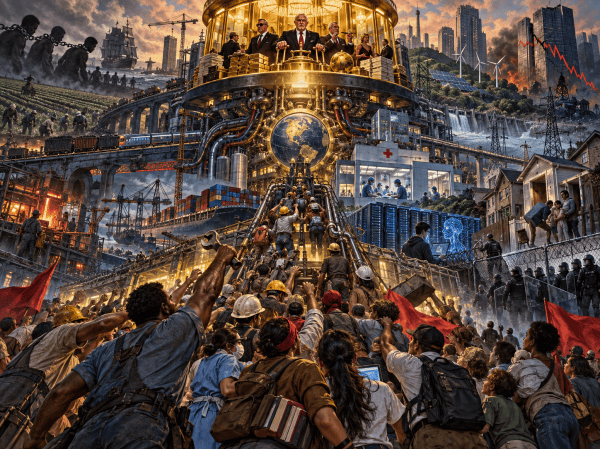
Bloomberg turns a decline in documented protests into evidence of a hidden political crisis, relying on a US-backed monitoring project whose methods cannot support such sweeping conclusions. By collapsing wage disputes, housing conflicts, petitions, and local administrative complaints into the single category of “dissent,” the article strips Chinese grievances of their concrete class content. It also ignores the institutions through which millions of people pursue redress and reduces China’s political system to a Cold War caricature. The result is not a serious account of Chinese society, but investor intelligence: workers appear only as risks to accumulation, while the real struggle over socialism’s direction disappears.

The Political Economy of Imperial Feminism: Iran Beyond the Propaganda

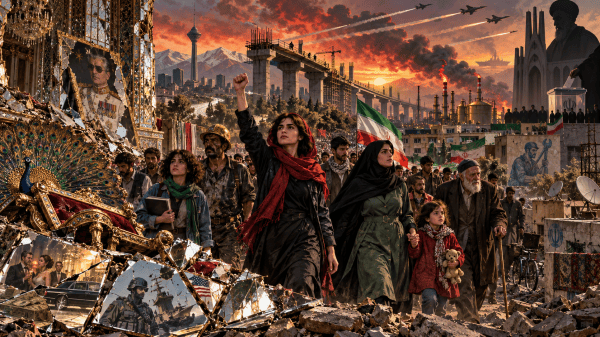
The West does not give a damn about women in West Asia. It cries for Iranian women because Iran is an enemy, then sells bombs to kings, bankrolls apartheid, protects dictators, sanctions civilians, and calls the whole rotten business human rights. Iran has contradictions, but those contradictions belong to Iranian women and Iranian society to struggle over — not to Washington, NATO, or the white ruling class. Real internationalism starts at home, against the empire that turns women’s suffering into ammunition.

Inside the House of Cards: How Empire Manages Crisis Through Memory, Civility, and Myth

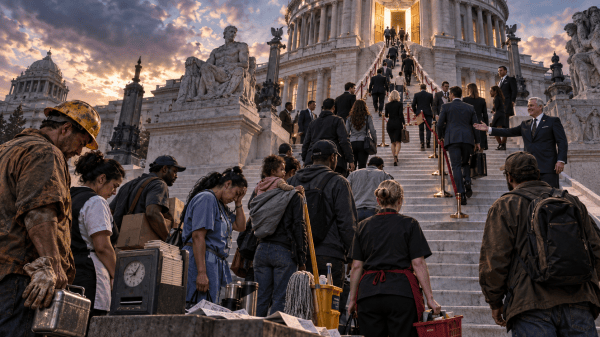
Four former presidents gather under corporate media lights to present democracy as a shared moral inheritance, grounded in unity, civility, and participation. Beneath that performance lies a material history of deregulation, war, surveillance, and repression that produced the very crisis now being discussed. The interview reveals not reflection, but a ruling-class effort to manage legitimacy... Continue Reading →

Author, Authority, and Empire: How “Authoritarian” Became Political Science’s Favorite Weapon Against Mass Power

This essay is part of Weaponized Information’s larger project to forge a new discipline of political science—one that treats politics as the scientific study of power: how it is accumulated, organized, enforced, and resisted. In “Towards a New Political Science: Politics as the Science of Power”, we broke with procedural political science and its canon... Continue Reading →

The Empire of “Peace”: María Corina Machado, the Nobel Prize, and the Long War Against Venezuela

How the Nobel Peace Prize became another front in Washington’s hybrid war — turning coup plotters into saints of “democracy” and laundering regime change through the language of peace. By Prince Kapone | Weaponized Information | October 10, 2025 The Empire’s Peace They called it a victory for peace. Cameras flashed, diplomats smiled, and somewhere... Continue Reading →

Website Powered by WordPress.com.

Up ↑