The Runway Is Lao: Washington Still Thinks It Owns the Sky
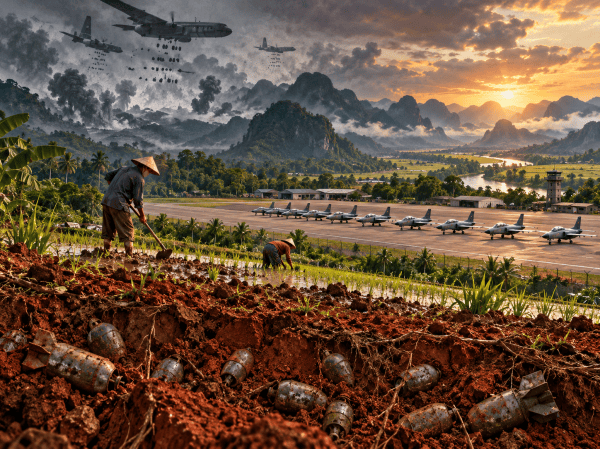
Eight small military jets at a joint Chinese-Lao training facility become a looming threat in The New York Times, while Laos’ sovereignty and revolutionary history disappear behind Washington’s geopolitical anxieties. Beneath the runway lies the legacy of American covert warfare, colonial devastation, and a socialist-rooted state struggling to build its productive and defensive capabilities. China’s cooperation offers genuine opportunities for national development while exposing contradictions involving debt, labor, land, and economic dependence. Weaponized Information excavates the imperial narrative to reveal the deeper struggle over material sovereignty, working-class interests, and the right of oppressed nations to determine their own future.

The Empire Still Holds the Gates: Multipolarity Builds Roads Around Them

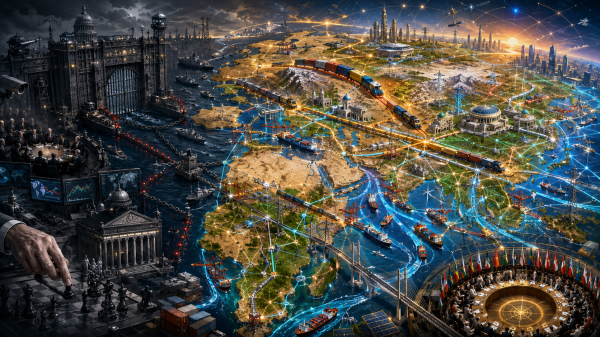
Multipolarity isn't a new empire but a complex web of power dynamics where countries strive for developmental autonomy without severing ties to imperial centers. Though emerging institutions like BRICS and SCO offer alternatives, they reveal a deeper truth: political independence doesn't guarantee economic sovereignty. The geopolitical landscape is increasingly messy; states are interconnected yet vulnerable. For every summits attended and partnerships forged, underlying dependencies remain unchallenged. The real question isn’t where countries sit on a world map; it’s who controls resources and technology within their borders. True liberation from exploitation lies not in diplomatic participation but in addressing internal inequalities and class power.

Keeping to the Socialist Path: Laos, China, and the Machinery of South-South Development

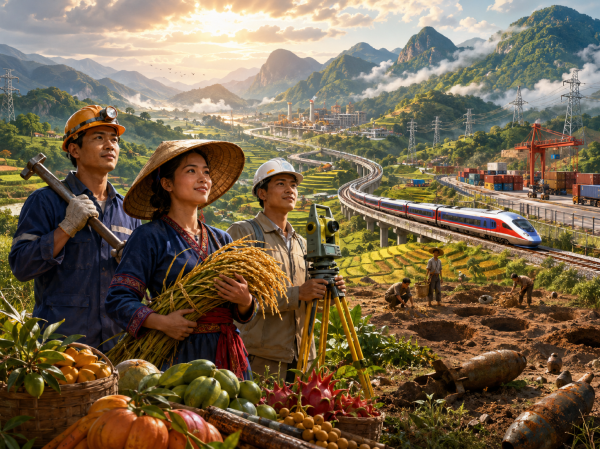
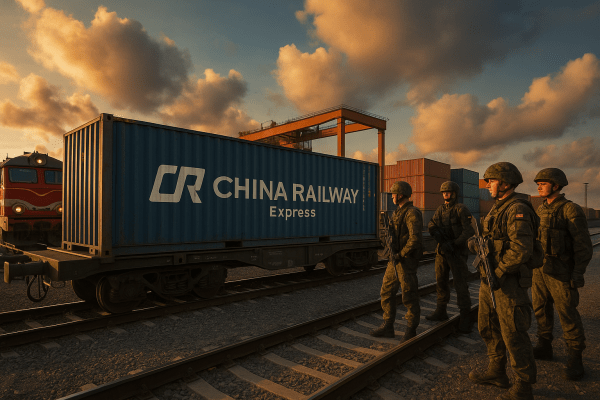
The June 2026 Laos-China state visit unfolded as a significant convergence between two socialist nations navigating their intertwined ambitions amid a capitalist-imperialist world. Rather than surrendering to the narrative of a “debt trap,” Laos and China embraced a collaboration marked by political intent, evidenced in thirty-two agreements across sectors like agriculture and technology. This partnership aims to transform Laos into a self-sufficient state, guided by its revolutionary history. The imperial media, however, conveniently ignored this cooperation, as it undermines their narrative of helpless nations. Laos, now reclaiming agency, is no longer portrayed as a mere victim but as a sovereign actor defining its path to development.

All Will Be Forgiven: Pakistan, Iran, and the Empire’s Crisis of Obedience

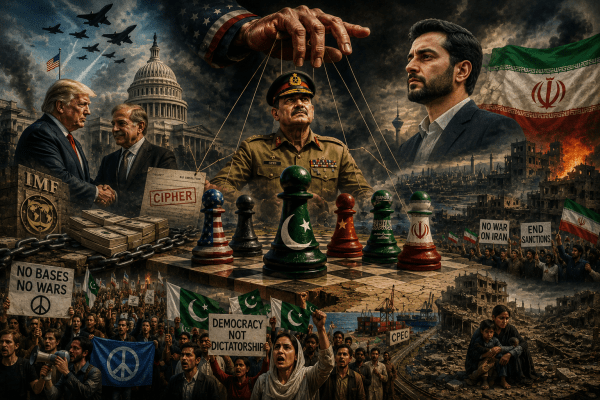
Pakistan’s emergence as a mediator in the U.S.-Iran war is a masquerade, showcasing a military regime, led by Prime Minister Shehbaz Sharif, seeking legitimacy through compliance with U.S. agendas. The facade of diplomacy hides a deeper reality: military-managed governance, manipulative partnerships, and economic subjugation sustained by Western powers. As global dynamics shift, Pakistan's balancing act among rival powers reveals an opportunistic survival strategy rather than genuine sovereignty. This troubling scenario underscores an essential truth: imperialism thrives not through outright violence but via coercive control, shaping a world where authentic peace remains a distant, arguably unattainable ideal.

Influence Without Empire: How China’s Infrastructure Exposes the Crisis of Imperial Narratives in Central Asia

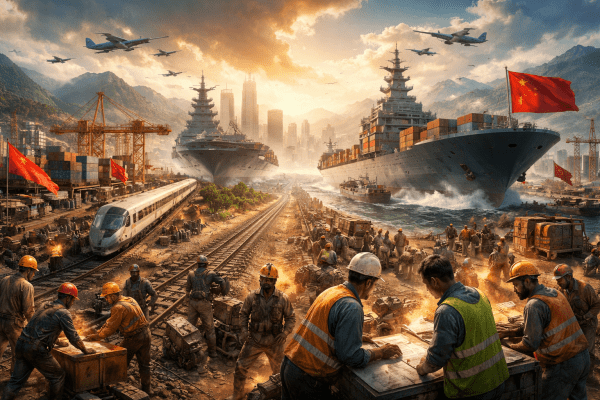
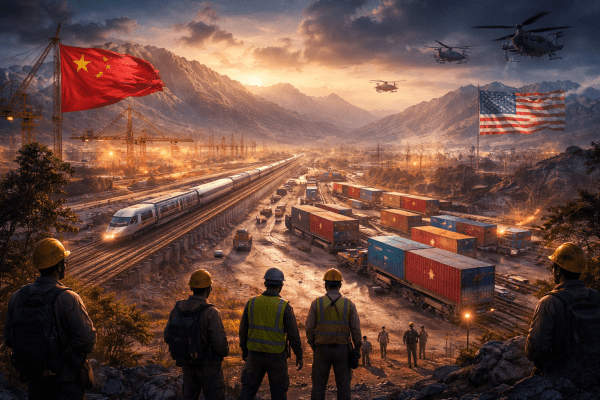
A wire story turns development into suspicion by replacing politics with the language of “influence.”The facts reveal a region actively recalibrating after decades of imposed dependency and underdevelopment.Beneath the headlines lies a global shift where infrastructure collides with imperial decline and class struggle.The task ahead is to organize solidarity so this opening leads to sovereignty,... Continue Reading →

Website Powered by WordPress.com.

Up ↑