The Road, the Rifle and the Rice Field: Ibrahim Traoré’s War Against the Machinery of Dependence
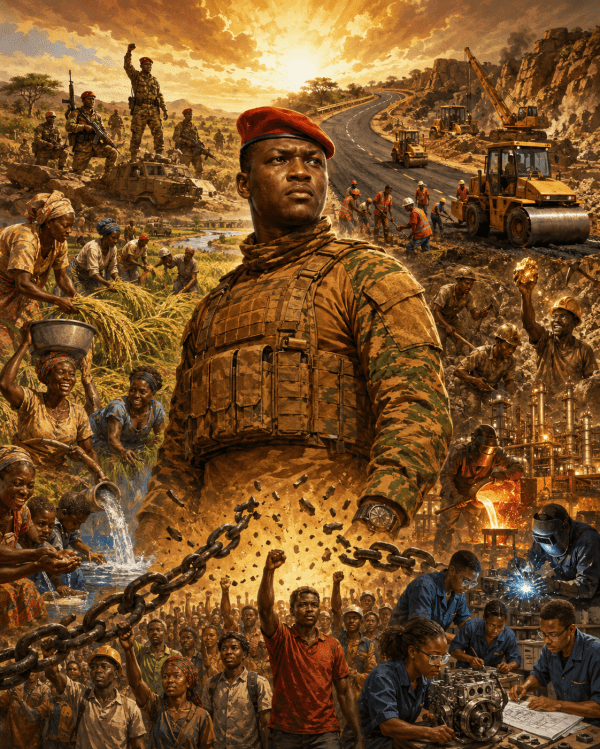
Ibrahim Traoré’s speech is more than a declaration of national resolve. It is a sustained confrontation with the machinery of African dependency: roads promised but never built, minerals exported without transformation, imported goods replacing productive capacity, universities producing credentials instead of machines, and local elites profiting from national weakness. Through the recurring question—“Are we cursed?”—Traoré rejects racial fatalism and insists that Africa’s condition has a history, a structure and beneficiaries. This intervention excavates the speech’s strongest contradictions while asking whether state-led sovereignty can become genuine popular power rather than another project administered above the people.

No Freedom Without Power: Machiavelli, Rome, and the Republic Built on Ruins

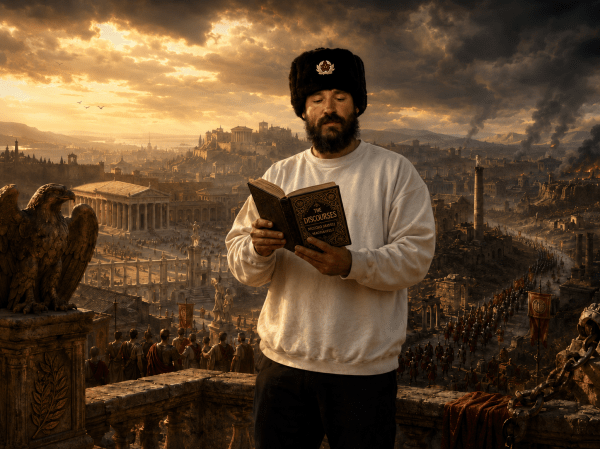
Machiavelli’s The Discourses is not a genteel treatise on republican ideals but a gritty how-to on wielding power from the depths of defeat. This work confronts the myth of liberal innocence, asserting that liberty arises not from consensus but through chaos, violence, and organized resistance against domination. Machiavelli's insights expose the harsh realities of historical conflict and the necessity of institutional discipline, emphasizing that true power is built on struggle, not sentiment. Yet, amidst its rich lessons, The Discourses reveals a troubling contradiction: the same republic that fosters internal liberty thrives through imperial conquest and exclusion. This duality beckons revolutionaries to seize its pragmatic lessons while rejecting its imperial legacy.

The World Was Not Discovered: Genocide, Slavery, and the Birth of Capitalist Empire

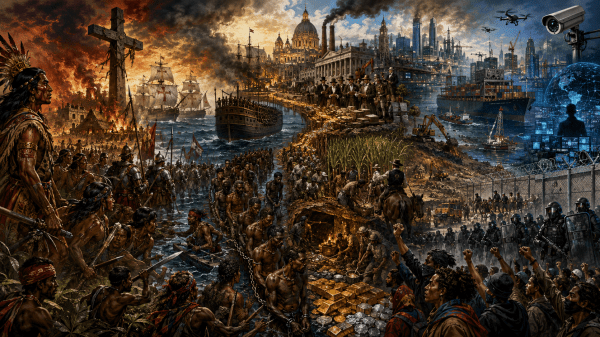
History is often told from the perspective of conquerors, romanticizing imperialism as a noble endeavor of “discovery.” However, this narrative ignores the vibrant, complex societies that existed long before European arrival; civilizations rich in culture and knowledge prepared to resist. The so-called “Age of Discovery” merely facilitated violent conquest, genocide, and exploitation. Colonialism and capitalism are intertwined, with wealth extracted through enslavement and land theft, while underdevelopment in colonized regions resulted from this systematic violence. Today, the consequences of colonialism persist, as neo-colonial strategies manipulate economies and suppress sovereignty. To reclaim the future, societies must confront this history, recognize the pain of oppression, and organize for a just world, free from the chains of empire.

Failure According to Whom?: Rewriting the Metrics of Socialism

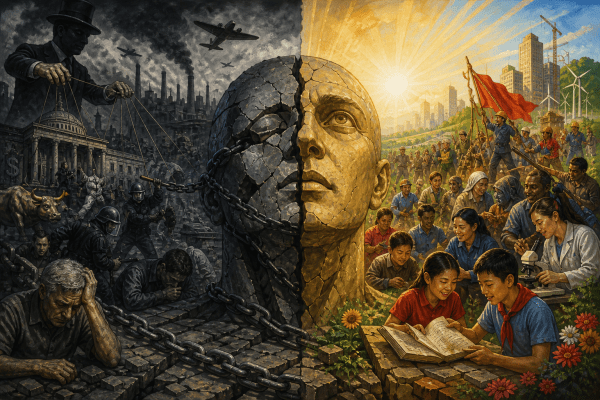
The pervasive claim that socialism has "failed" is an ideological construct rather than a factual statement. A closer analysis reveals that socialist systems, from the Soviet Union to China, achieved measurable gains in education, health, and economic development under dire conditions. This narrative of failure is not supported by historical evidence but rather is a product of a century-long ideological war against socialism. Capitalism, meanwhile, perpetuates crises, inequality, and social fragmentation, failing to meet human needs. The real question is not why socialism fails, but how it has transformed societies when confronted with immense challenges, challenging the ruling narrative that defines success so narrowly.

Author, Authority, and Empire: How “Authoritarian” Became Political Science’s Favorite Weapon Against Mass Power

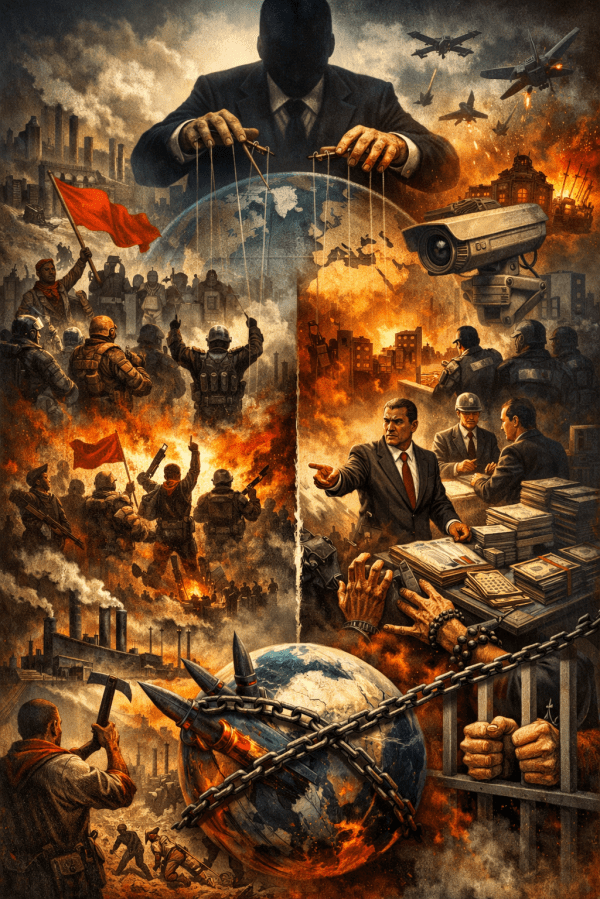
This essay is part of Weaponized Information’s larger project to forge a new discipline of political science—one that treats politics as the scientific study of power: how it is accumulated, organized, enforced, and resisted. In “Towards a New Political Science: Politics as the Science of Power”, we broke with procedural political science and its canon... Continue Reading →

Website Powered by WordPress.com.

Up ↑