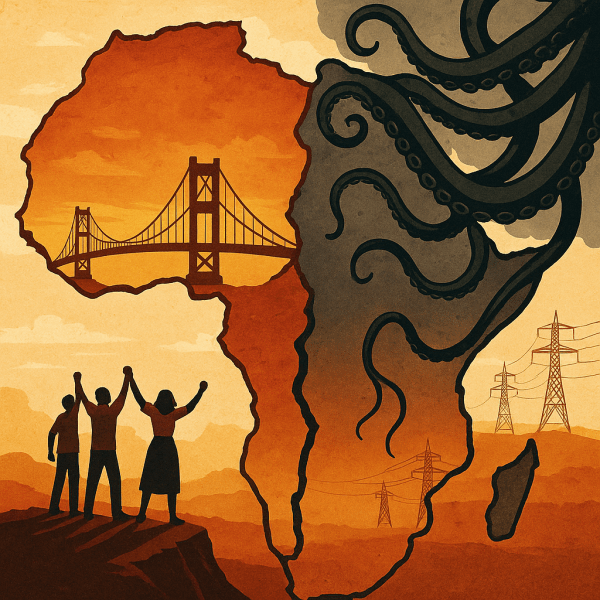
Too Much Freedom, Too Many Factories: Africa’s Gold and the Unfinished Revolution of Economic Liberation
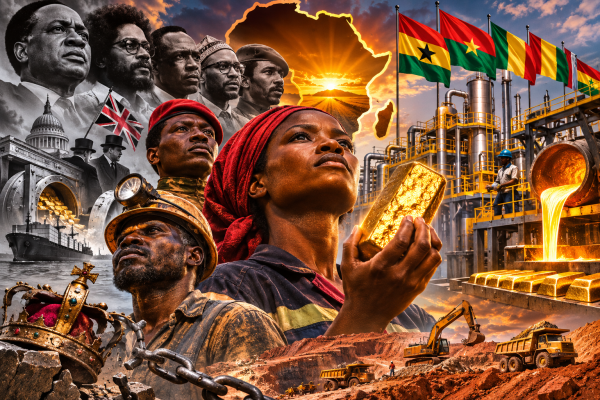
Reuters warns that West Africa's struggle to refine its own gold could produce excessive industrial capacity, but the economic conditions against which it measures African development are themselves products of colonial plunder and neocolonial extraction. From Burkina Faso's refinery and Mali's public mining enterprises to Ghana's reorganization of gold commerce and Guinea's struggle to retain... Continue Reading →

The Empire Wants Tomorrow’s Oil: Mortgaging Venezuela’s Future to Build Fortress America

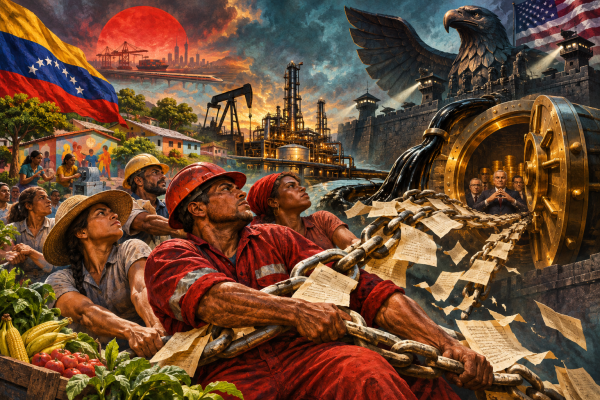
While Reuters celebrates the renewed confidence of international bondholders, the historical relationship between Venezuela's indebtedness and Washington's economic siege goes largely unexplored. From financial sanctions and distressed-debt speculation to petroleum concessions and geopolitical restrictions on debt restructuring, the imperial state is assembling mechanisms through which the coercion of yesterday can become the financial command of... Continue Reading →

The Collector Wants a Halo: Britain’s Debt Rescue and the Labor Behind the Ledger

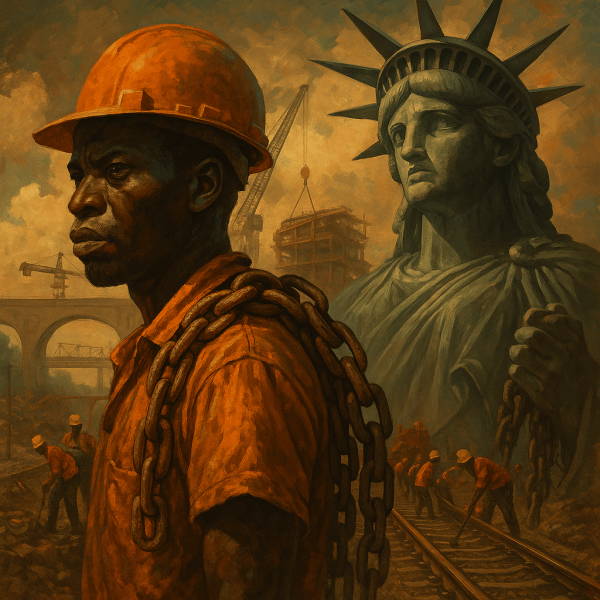
Britain steps forward to rescue indebted countries with the creditor’s authority tucked safely beneath its humanitarian robes. Behind the promises of relief, contracts and lending conditions turn claims on future labor into pressure on wages, hospitals, and household budgets. London invokes slavery while keeping the discussion of justice seated at the repayment table. Breaking that... Continue Reading →

The Miracle Was Supposed to Take Orders: South Korea and the Contradiction of American Power

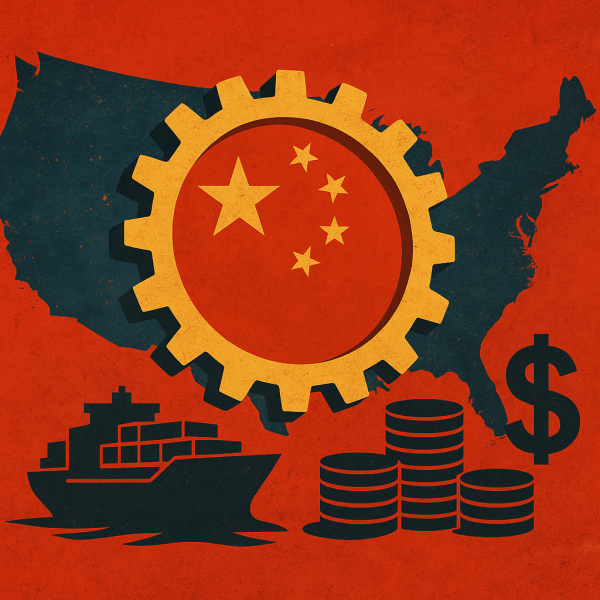
South Korea’s “miracle” didn’t fall from the fucking sky. It was built through war, U.S. occupation, anti-communist repression, Japanese capital, state-directed development, disciplined labor and a regional imperial order designed to make capitalism look victorious against socialism. But the contradiction is vicious: the same system built Korean industry strong enough to become indispensable, produced workers powerful enough to break dictatorship, and tied Korean accumulation into an Asian economy increasingly centered on China. Now Washington wants the miracle to keep taking orders—more weapons, more shipyards, more investment, more war preparation. The problem is South Korea ain’t the weak frontier state it used to be.

Debt Is Not a Tragedy—It’s a Strategy

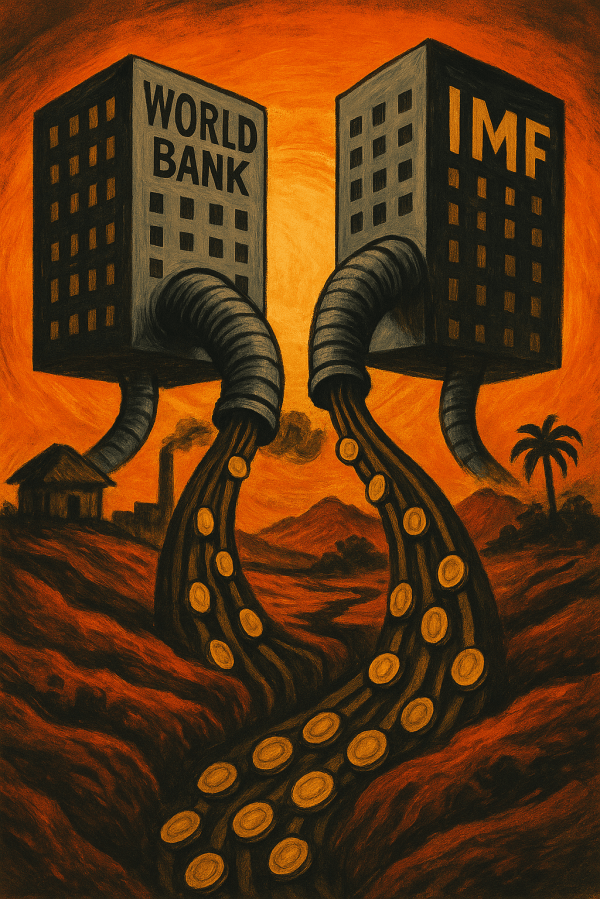
Exposing the Liberal Illusions of “Forgiveness” at the Seville Summit—and the Imperial System They Protect Prince Kapone | Weaponized Information | June 28, 2025 Part I: Counterinsurgency by Comment Section – The Guardian as Empire’s Humanitarian Mouthpiece On June 28, 2025, The Guardian published an op-ed titled “The Global South needs more than tinkering at... Continue Reading →

Website Powered by WordPress.com.

Up ↑