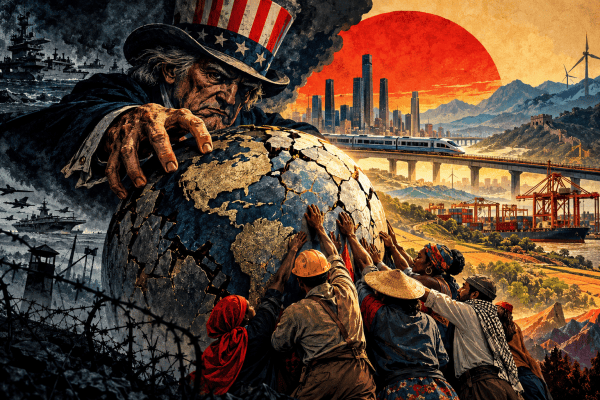
The imperialist façade is cracking as formerly colonized nations wield newfound agency, emboldened by China's socialist rise and BRICS collaboration. However, the narrative masks a grim reality: national sovereignty does not guarantee liberation from domestic exploiters. The struggle continues within, where local elites may replace imperial masters but retain the chains of economic subordination. This interplay reveals that power dynamics hinge on who decisively controls production and profits. As multipolarity expands possibilities, the essential question looms—will the working class finally seize genuine control over the fruits of their labor, or remain spectators in their own liberation? The era demands they reclaim agency—no more invitations.
The Revolution Held Power. Who Held the Machine?: Lenin’s Battle to Make the State Serve Its Makers
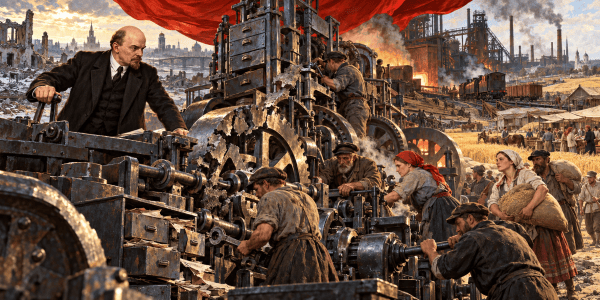
On March 27, 1922, Lenin laid bare the haunting reality: the very Communists who seized power found themselves ensnared by its apparatus. This stark confession at the Eleventh Party Congress revealed a party entangled in bureaucratic paralysis while popular hunger and dissatisfaction grew. Lenin's urgent demand for practical economic leadership served as a clarion call to reconnect with the peasant workforce crucial for reconstruction. He confronted the failure to actualize revolutionary ideals, asserting that maintaining authority required genuine engagement with people’s needs. In essence, he challenged the Bolshevik leadership: Could they transform power into effectiveness before disillusionment turned into revolt? The stakes were sky-high, a failure to adapt would be their undoing.
The Runway Is Lao: Washington Still Thinks It Owns the Sky
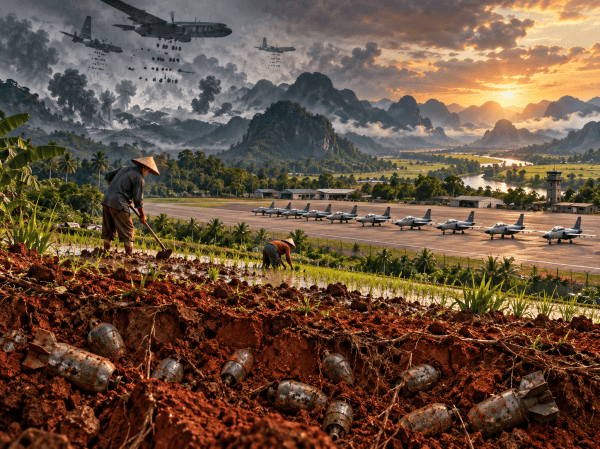
Eight small military jets at a joint Chinese-Lao training facility become a looming threat in The New York Times, while Laos’ sovereignty and revolutionary history disappear behind Washington’s geopolitical anxieties. Beneath the runway lies the legacy of American covert warfare, colonial devastation, and a socialist-rooted state struggling to build its productive and defensive capabilities. China’s cooperation offers genuine opportunities for national development while exposing contradictions involving debt, labor, land, and economic dependence. Weaponized Information excavates the imperial narrative to reveal the deeper struggle over material sovereignty, working-class interests, and the right of oppressed nations to determine their own future.
Peggy Noonan Calls Capitalism Organic: The Wall Street Journal Buries the Violence That Built It
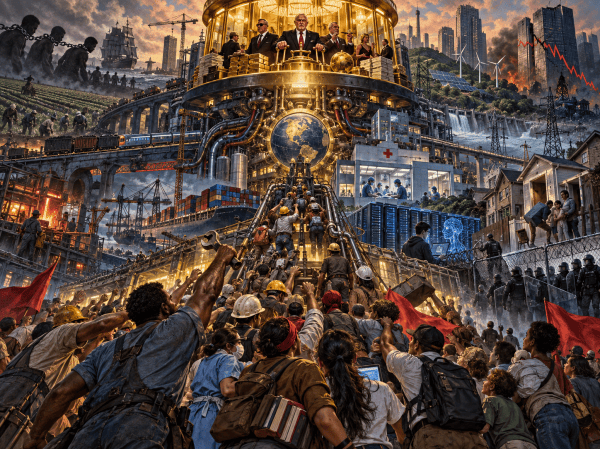
Peggy Noonan's alarm over socialism's surge reveals her flawed analysis: she blames the consciousness of the wounded instead of capitalism, which thrives on historical injustices like dispossession and slavery. As the capitalist structure crumbles under its contradictions—where collective production is shackled by private ownership—Noonan dismisses the urgency of socialism, painting it as a radical force aimed at destruction. Yet, socialism is rising not from whimsical ideology but out of necessity, as younger generations face economic precarity and disillusionment. The question isn’t whether capitalism is natural or just; it’s who truly controls the wealth and future built by the collective.