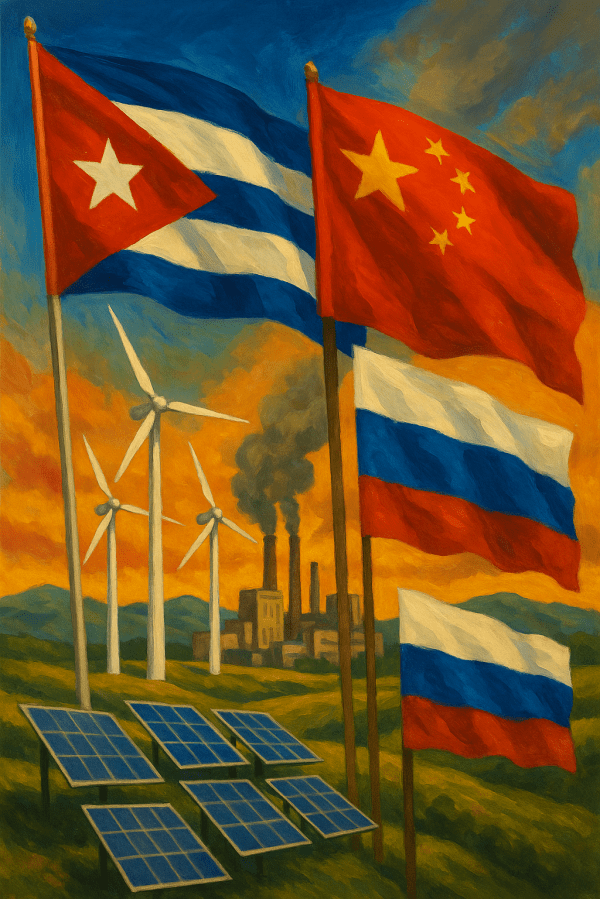
The Deed Stays in Caracas: How Washington Commands Oil It Doesn’t Own
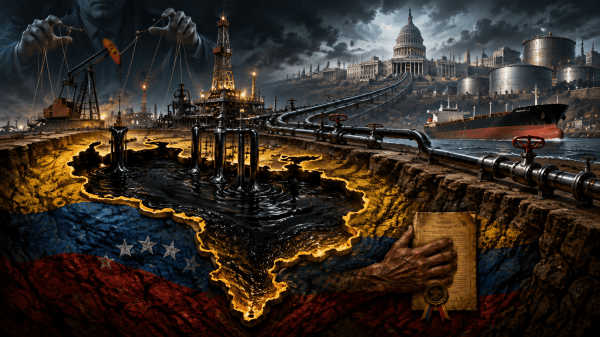
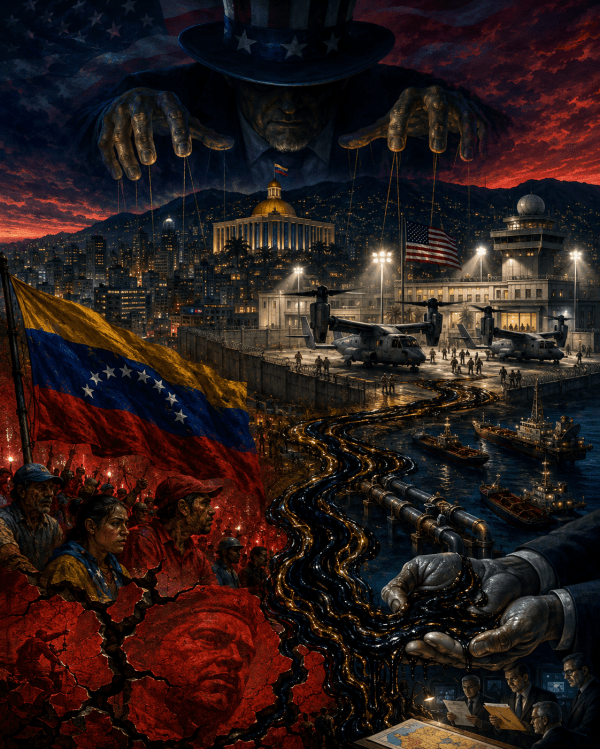
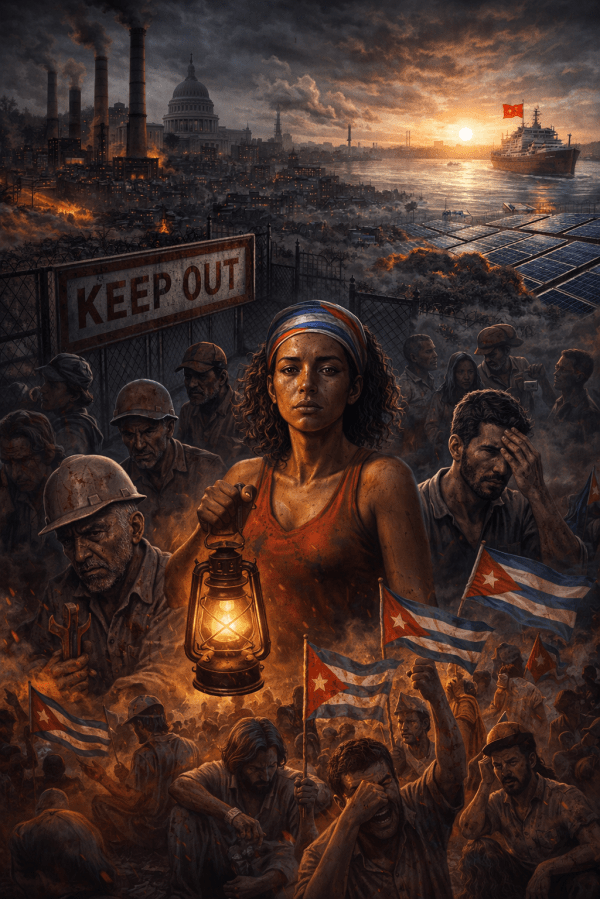
Delcy Rodríguez's shocking pivot from anti-imperialist rhetoric to endorsing U.S. oil agreements is less a political betrayal and more an unveiling of Venezuela's fractured sovereignty. The narrative is explosive: as Washington tightens its grip, national ownership of oil assets becomes a hollow claim, with real power shifting to private capital and American influence. The illusion of control is shattered—Venezuelans are left to wrestle with a new reality where contracts dictate who profits from their resources. The stakes are high, as demands for transparency and public scrutiny grow louder; will the oil wealth truly benefit the people, or simply reinforce the power structures in play?

The Palestine Exception: Why Washington Is Trying to Break the ICC

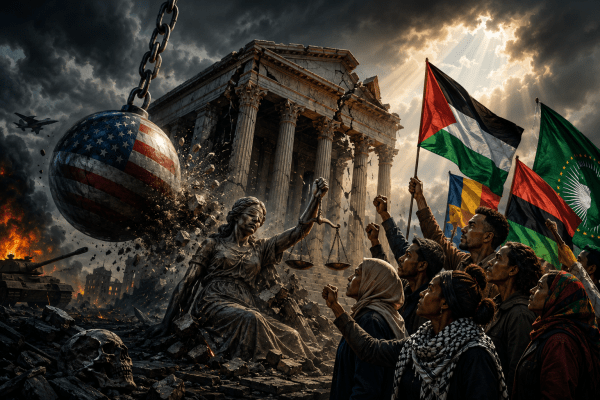
The Guardian's coverage of Marco Rubio's claim that the International Criminal Court (ICC) threatens U.S. sovereignty highlights the deeper issue of imperial exemption rather than genuine sovereignty. The U.S. has long opposed ICC jurisdiction that could implicate American or allied personnel, reacting strongly against Palestinian efforts to document crimes under occupation. The article critiques the liberal institutionalism of the response, noting a lack of representation for affected parties. It underscores that U.S. sanctions targeting Palestinian organizations and ICC officials are a means to maintain impunity. Oppressed nations seek accountability, using available legal systems to challenge the dominance of imperial powers and protect their sovereignty against external coercion.

The Robber at the Gate: Venezuela, China, and the American Pole’s Oil Ledger

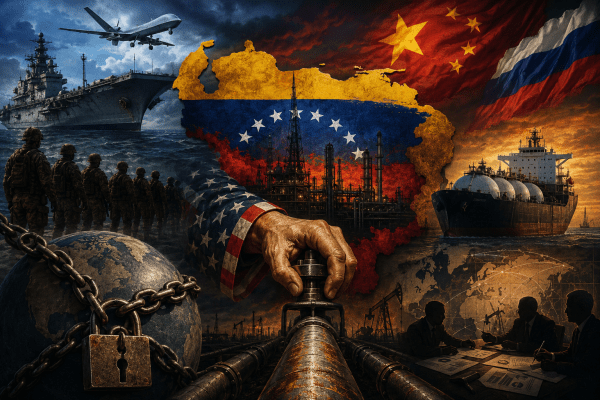
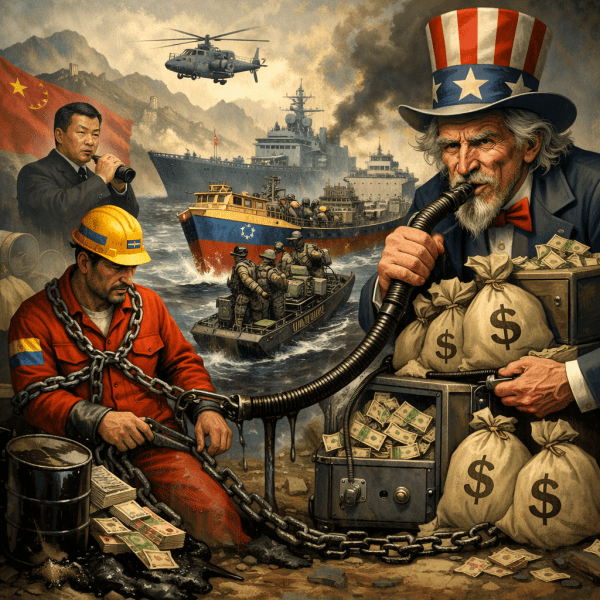
Washington masquerades as a “gatekeeper,” but it’s merely an imperial force exploiting Venezuela’s oil through a facade of debt management. The South China Morning Post article dismisses the severe issue of sovereignty, framing the US’s dominance as mere financial oversight. This is financial piracy, where the empire suffocates a nation but presents itself as a recovery manager. As China seeks to protect its investments in Venezuela, the true battle is not about debt but about reclaiming sovereignty from imperial grasp. The struggle is clear: Venezuela’s resources belong to its people, not to the US, which must be confronted directly to dismantle this neocolonial command.

The Embassy Government: How AP Turns Venezuela’s Capture Into a Chavista Crack-Up

The Associated Press spins Venezuela’s crisis as a mere internal drama of political division, subtly masking the U.S. military’s pivotal role in toppling Maduro. Behind the façade of Chavismo's weakening loyalties lies imperial coercion—an acting government subservient to Washington. The narrative portrays disarray but downplays U.S. oversight of oil sales and military drills, normalizing foreign occupation while disguising it as internal strife. By framing this as a crisis of governance, the AP shifts attention from the imperial machinery at work, thereby sidestepping critical questions of sovereignty and resistance. The real story is not betrayal; it's exploitation under the guise of reform.

Reuters’ “Market Story” and the American Pole: PetroChina, Venezuelan Oil, and the Siege That Calls Itself Trade

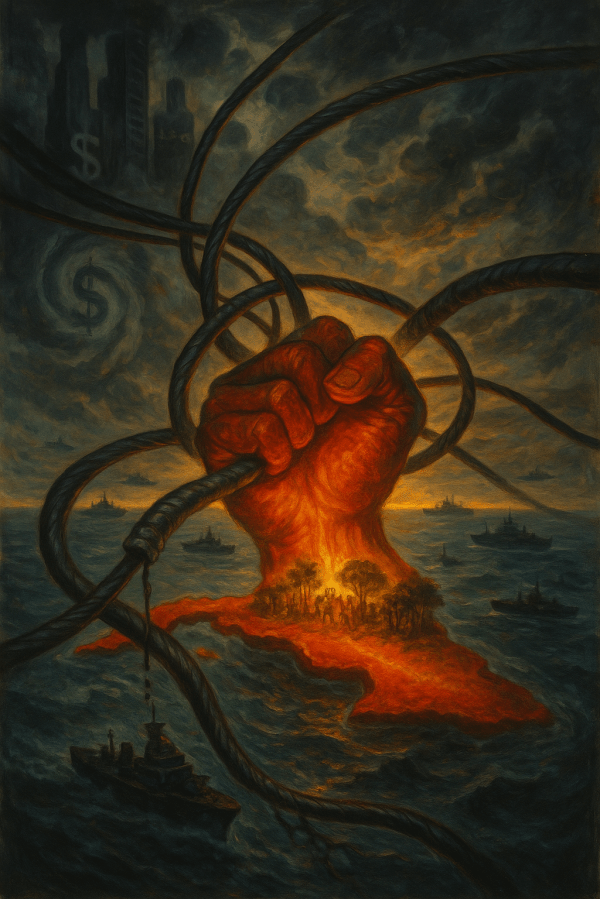
Reuters sells custodial plunder as a pricing issue, turning blockade into “market caution.” We restore the missing record: seizures, supervision, and the re-routing of Venezuelan oil revenue through imperial hands. We reframe the contradiction as doctrine—Fortress America tightening hemispheric command as multipolar escape routes multiply. We close with a call to organize: break the information... Continue Reading →

Iran Under Hybrid War: Sanctions, Sabotage, Terror Proxies, and the Long Siege Against Sovereignty

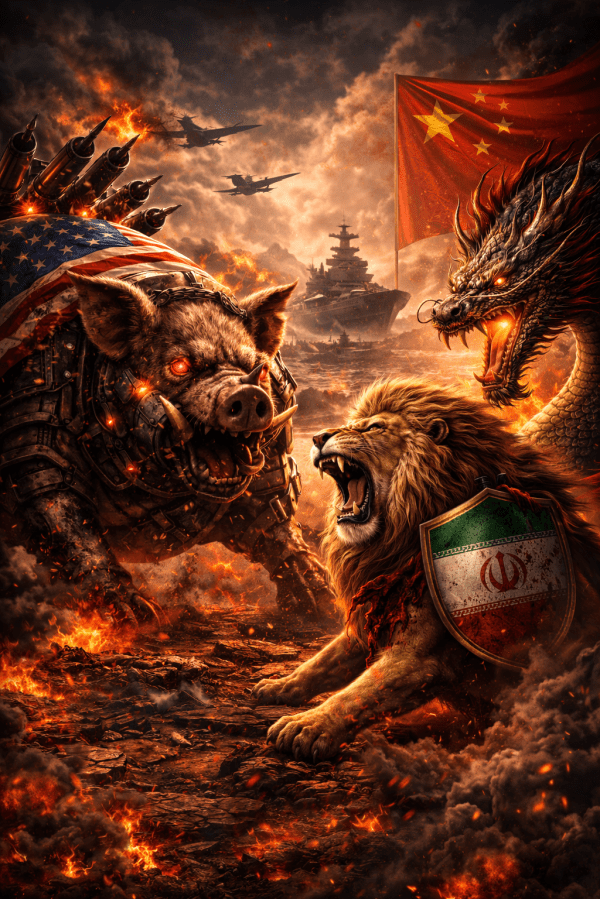
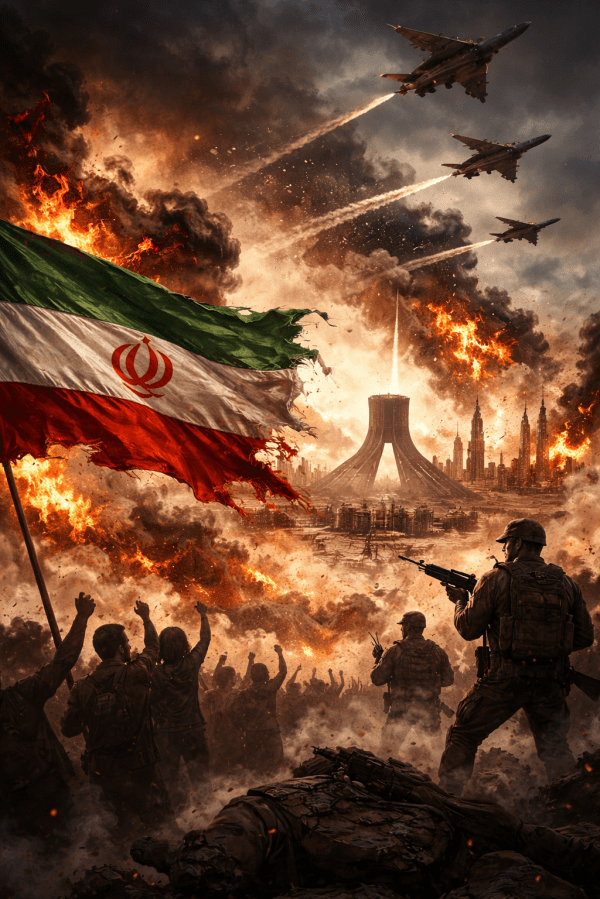
A forensic reconstruction of how sanctions, sabotage, terror proxies, narrative warfare, and regional forward bases have converged into a full-spectrum hybrid war against Iran — and why the January 2026 unrest is not a spontaneous crisis, but the latest front in a decades-long campaign to break an independent state.By Prince Kapone | Weaponized Information |... Continue Reading →

Website Powered by WordPress.com.

Up ↑