The Door Is Open, the Staircase Narrows: How Democracy Filters Out the Working Class
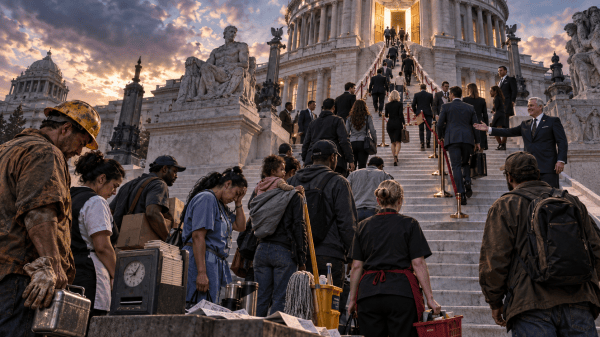
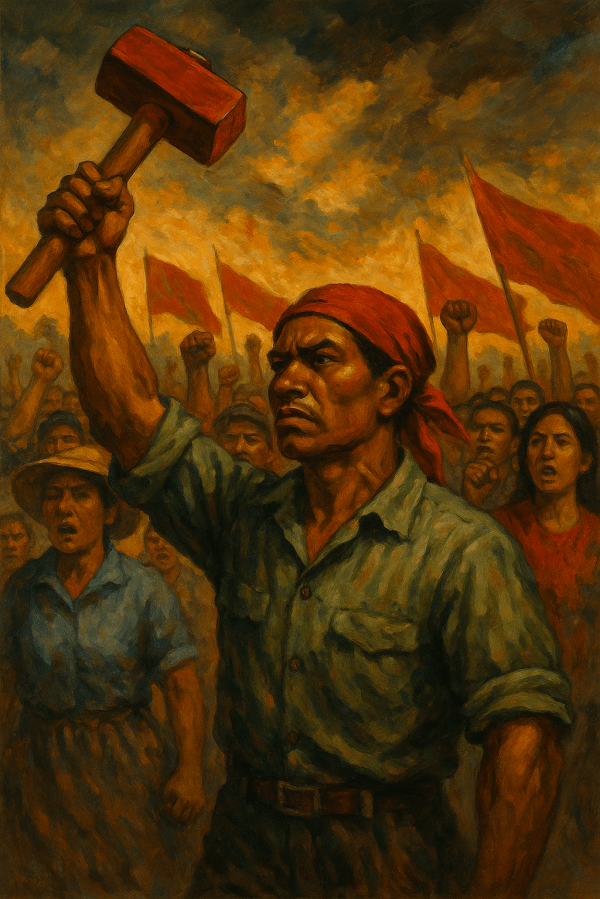
Bloomberg uncovered a brutal democratic fact: working people make up most of the labor force, yet barely appear in legislatures. This essay follows the worker beyond that statistic and shows how the disappearance happens—through inflexible work schedules, lost wages, primary elections, party recruitment, professional political careers, and repeated institutional filtering before voters ever reach the ballot. The problem isn’t that workers lack ambition or governing ability. It’s that formal political equality rests on a social order that distributes time, money, networks, and political experience by class. If workers are to enter politics in force, organization has to change who gets produced as a political leader.

Iran Took Back Its History: The Revolution That Never Finished the Fight for Power

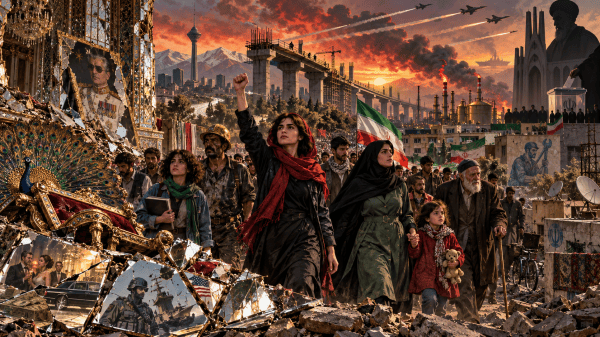
Robin Wright's "The Last Great Revolution" illustrates the paradox of the Iranian Revolution—a genuine transformation that sought to establish a sovereign state but left popular sovereignty incomplete. Wright captures Iran's tumultuous journey, showcasing revolutionary shifts in women’s rights, education, and national identity, yet she falls into the trap of imposing a Western liberal trajectory. The revolution is portrayed as a struggle—between religious and revolutionary authority—that still battles for legitimacy. Ultimately, rather than documenting a forgotten pathway to liberalism, Wright unveils a resilient revolutionary spirit combating imperial influences. This is not the story of a revolution retreating into the shadows, but one that persistently asserts its existence against predetermined narratives.

No Freedom Without Power: Machiavelli, Rome, and the Republic Built on Ruins

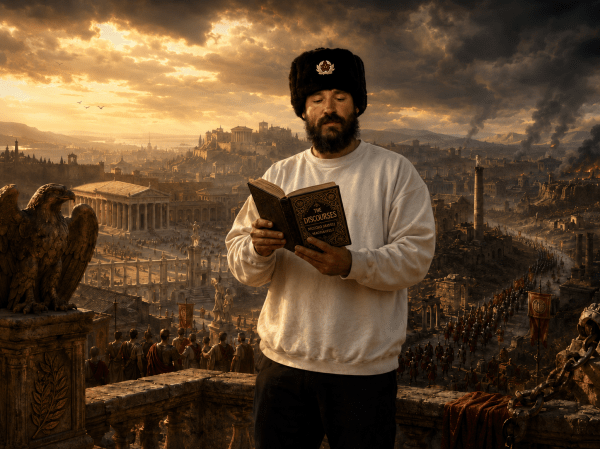
Machiavelli’s The Discourses is not a genteel treatise on republican ideals but a gritty how-to on wielding power from the depths of defeat. This work confronts the myth of liberal innocence, asserting that liberty arises not from consensus but through chaos, violence, and organized resistance against domination. Machiavelli's insights expose the harsh realities of historical conflict and the necessity of institutional discipline, emphasizing that true power is built on struggle, not sentiment. Yet, amidst its rich lessons, The Discourses reveals a troubling contradiction: the same republic that fosters internal liberty thrives through imperial conquest and exclusion. This duality beckons revolutionaries to seize its pragmatic lessons while rejecting its imperial legacy.

The Colorblind Con Job: How the Supreme Court Makes Black Power Disappear

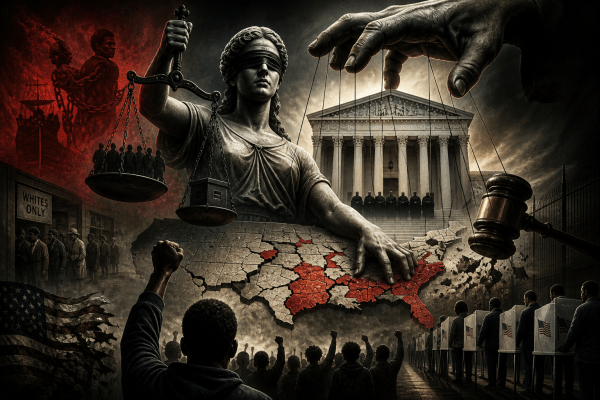
In a provocative dissection of the U.S. Supreme Court's ruling against Louisiana's majority-Black district, the article exposes a chilling truth: the very mechanisms meant to ensure voting rights are systematically undermined. NPR's portrayal of this as a mere legal setback pales in comparison to the deeper rot at the heart of American democracy, which has long grappled with the notion of Black political power. This ruling is emblematic of a historical pattern where rights are granted under duress, only to be stealthily reclaimed when they threaten the status quo. It’s not just about losing a voting bloc; it’s about the ongoing struggle for true representation in a system designed to contain it.

Tunis Campbell and the Black Republic That White Power Destroyed

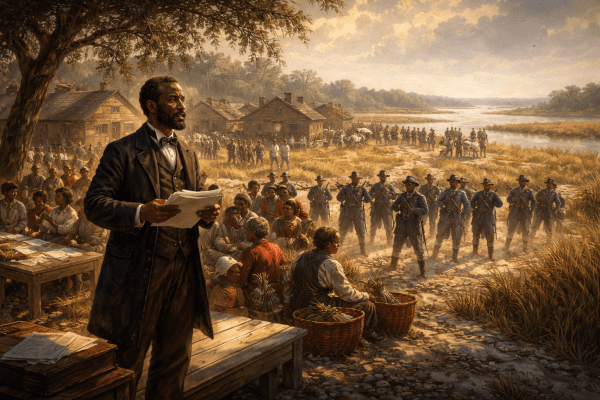
Born free in a slave republic, Campbell became an architect of Black self-rule after emancipation. On Georgia’s Sea Islands, freedpeople built land-based democracy before federal power restored white property. Rising to state leadership, he was criminalized as Reconstruction turned into counterrevolution. His life reveals Reconstruction as an unfinished revolution over land, labor, and power. Prince... Continue Reading →

Understanding the Venezuelan Revolution: Power, Rupture, and the Discipline of Governing Under Siege

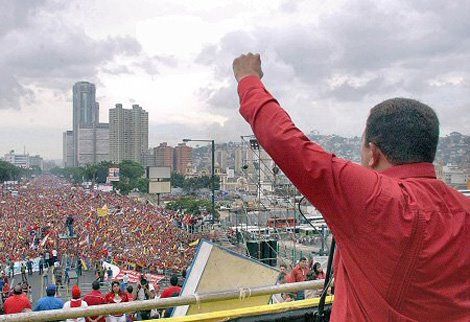
A Weaponized Intellects excavation of Understanding the Venezuelan Revolution: Hugo Chávez Talks to Marta Harnecker, tracing how popular rupture collides with institutions, empire, class power, and the unfinished task of building a revolution that can survive its own victories By Prince Kapone | Weaponized Information | January 18, 2026 A Revolution That Refuses the Script... Continue Reading →

Towards a New Political Science: Politics as the Science of Power

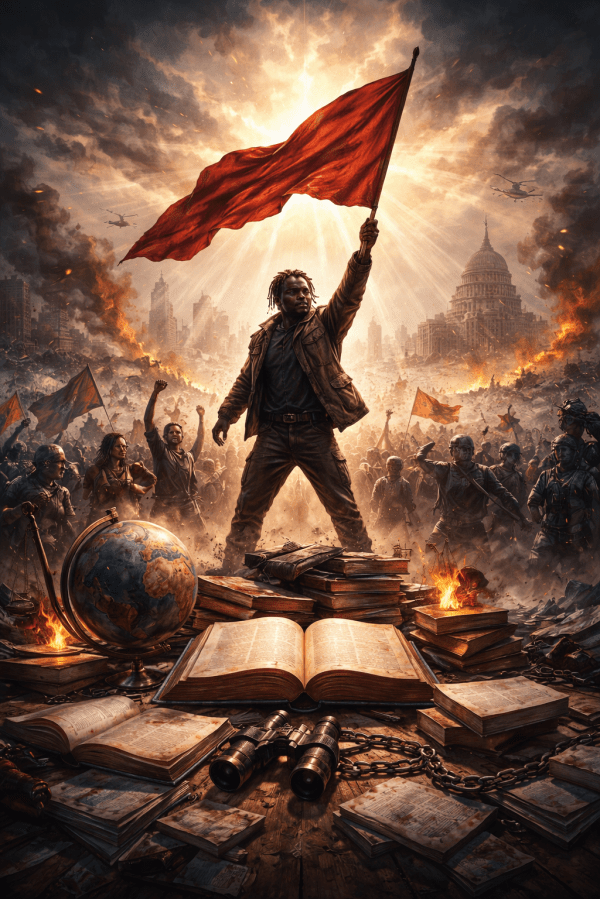
A rupture with procedural political science and canonical abstraction, this essay reconstructs politics as the scientific study of power—how it is accumulated, organized, enforced, and resisted—drawing on revolutionary praxis, settler colonial history, and imperial crisis to redefine what political theory is, who produces it, and what it is for. By Prince Kapone | Weaponized Information... Continue Reading →

Website Powered by WordPress.com.

Up ↑