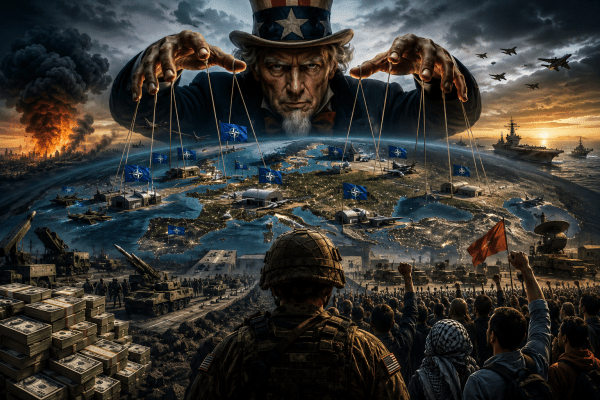
NATO 3.0: The Empire Rebrands Its Launchpads

NBC’s coverage of Pete Hegseth's outburst in Brussels starkly reveals a deeper imperial narrative: NATO is a glorified framework for U.S. militarism, demanding European complicity. Instead of a cooperative alliance, it illustrates a machinery of war where access to land and resources is treated as a given entitlement. The jargon of "burden-sharing" and "NATO 3.0" drapes the insistence on militarized obedience in a veneer of unity. The article neglects dissenting voices, such as the European populations and their rights, instead framing hesitation as irresponsibility. This is not a mere operational adjustment; it’s a clarion call to recognize and resist the underlying realities of imperialism masquerading as alliance-building.

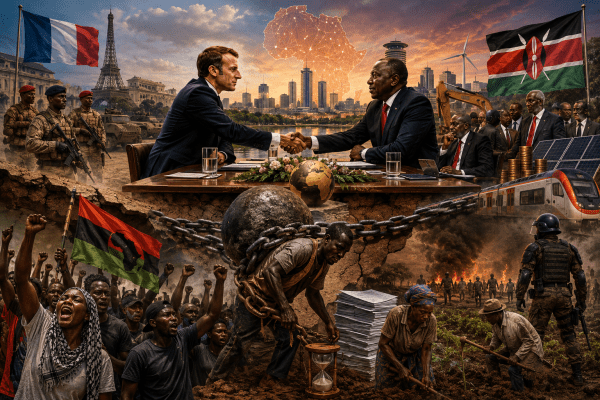
Françafrique Forward: Macron, Ruto, and the Nairobi Trap of Imperial Recalibration

The Africa Forward Summit in Nairobi is nothing more than a polished façade for France's enduring imperial ambitions in Africa, cleverly cloaked in the language of innovation and partnership. While hailed as a diplomatic reset as it moves outside Francophone Africa for the first time, the summit simply signals France’s desperation to regain footholds after being ousted from the Sahel. As Kenya grapples with its own debt crisis, the summit reflects a deeper reality: a struggle for sovereignty masked by corporate rhetoric. Opposing forces are mobilizing against this repackaging of imperialism, unearthing the true narrative of resistance against old empires in new guises.

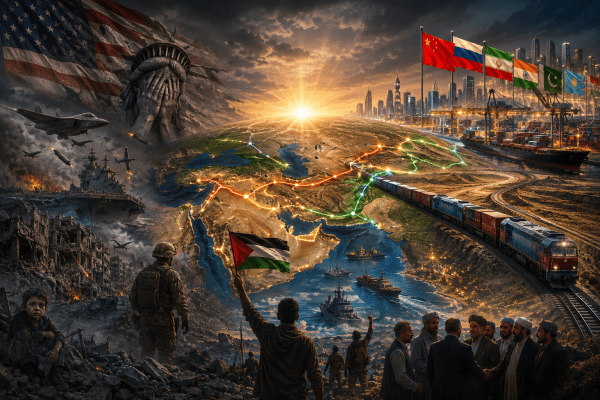
The Corridors of Defiance: How the War on Iran Accelerated the Multipolar Reorganization of Western Asia

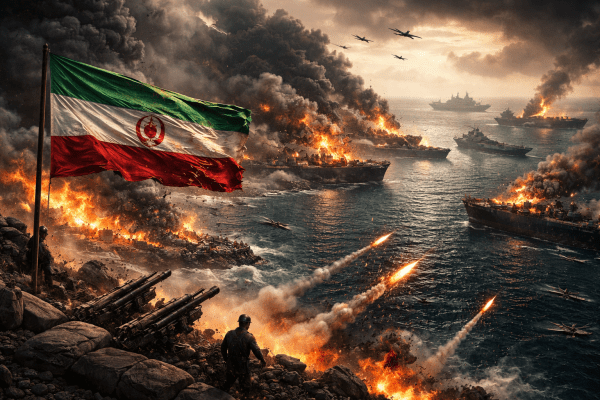
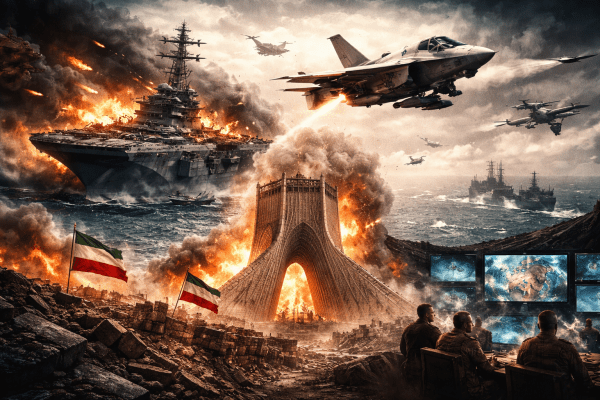
The 2026 U.S.-Israeli assault on Iran was a strategic miscalculation, intended to reassert imperial dominance in Western Asia but instead revealing the fragility of Atlantic hegemony. As the old security architecture eroded, alternative infrastructures and regional alliances emerged, facilitating trade and cooperation beyond Western control. The ongoing crises connected Gaza, Yemen, and the vital sea lanes, illustrating that military aggression has backfired, prompting regional states to recalibrate and seek resilience against imperialism. This war exposed a transformative geopolitical landscape, where logistics and diplomatic maneuvers are increasingly driven by necessity, carving out a multipolar future and undermining the sheer authority once held by the empire.

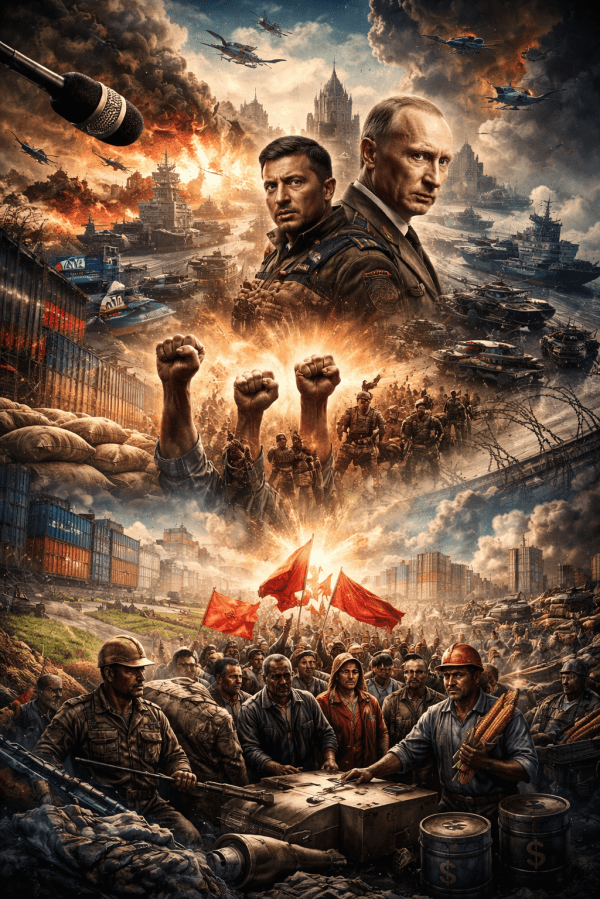
The BBC, Zelensky and the Price of Primacy: When Hegemony Calls Itself Defense

This essay excavates the BBC’s framing of the Ukraine war to reveal how catastrophe rhetoric and moral personalization manufacture consent. It reconstructs the documented record—NATO expansion, U.S. strategic doctrine, Minsk diplomacy, sanctions, and militarization—to widen the frame beyond headline urgency. It then situates the conflict within the deeper contradiction between imperial hegemony and national sovereignty,... Continue Reading →

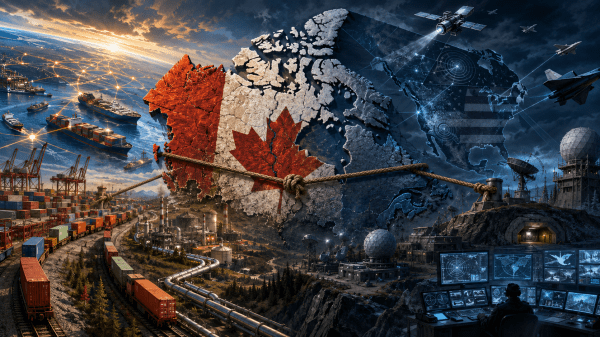
Carney, NATO, and the War Contractors: How Canada’s “Sovereignty” Pivot Deepens the Military Bloc

The New York Times sells a procurement shift as national independence. The numbers reveal a structural escalation anchored in NATO and continental integration. The pivot redistributes contracts while entrenching a war-oriented political economy. Workers and movements face a choice: defend the arms budget or reorganize production itself.By Prince Kapone | Weaponized Information | February 16,... Continue Reading →

Website Powered by WordPress.com.

Up ↑