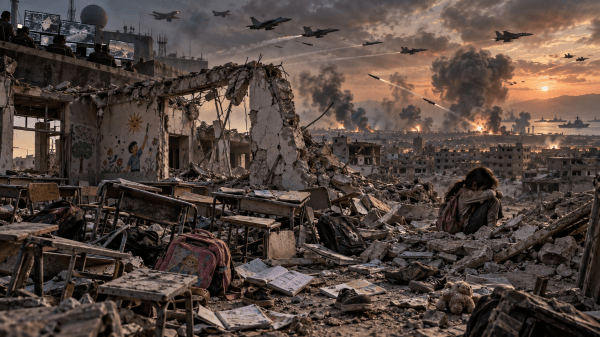
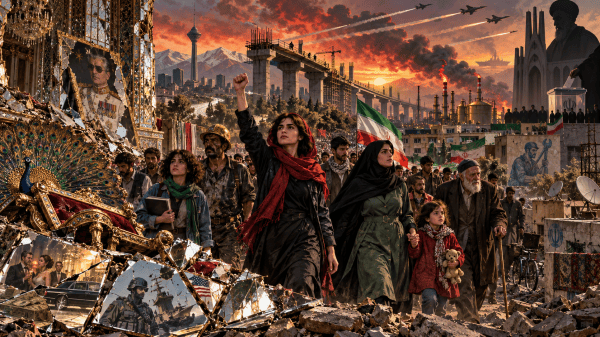
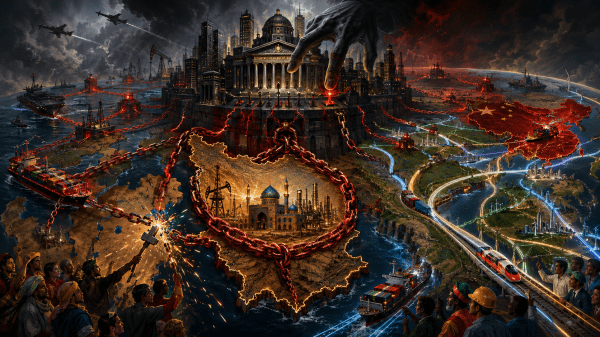
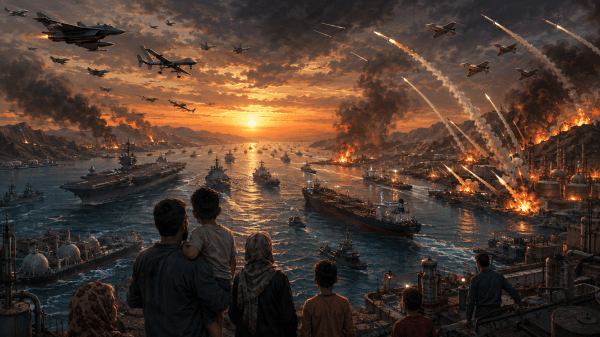
The Seattle Pride Match is not just a progressive celebration but a vehicle for imperial propaganda, co-opting the cultural struggles of predominantly Muslim nations like Iran and Egypt. This event frames the West as a moral authority while masking the brutal realities of sanctions, military finance, and surveillance that underpin these dynamics. The local organizers, corporate sponsors, and FIFA collaborate to transform a football match into a colonial lesson, undermining the very values they profess to uphold. The real challenge lies in recognizing this manipulation and reframing the narrative: embracing genuine solidarity and resistance against imperial structures, rather than succumbing to an illusion of moral superiority.
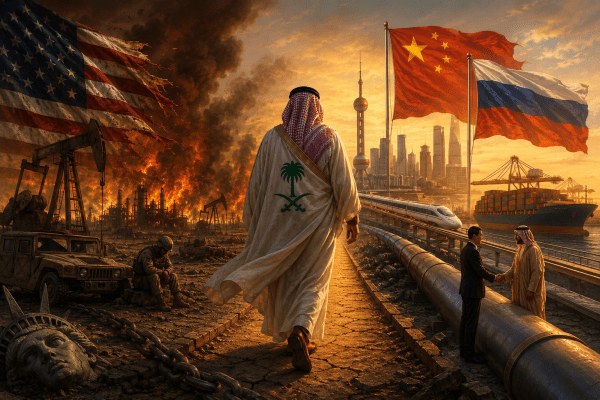
The Master Brings Fire: Why Saudi Arabia Is Looking East as the American Oil Order Burns
The narrative on Saudi Arabia's pivot to China disguises a deeper crisis in the U.S. imperial order. This is not a simple geopolitical romance; rather, it's a monarchy hedging its bets amid a shaky alliance once thought stable. With U.S. militarism fueling vulnerability in the Gulf, Riyadh seeks alternatives to the failing American security blanket, signaling an alarming shift. Yet, this recalibration is not liberation; it reveals the fragility of U.S. dominance as clients explore exits from a system that thrives on exploitation and chaos. As empires decay, the task is clear: galvanize working-class resistance against the war machinery that perpetuates this chaos.
The Empire Signed Iran’s Terms: How Trump Rebranded Defeat as Victory
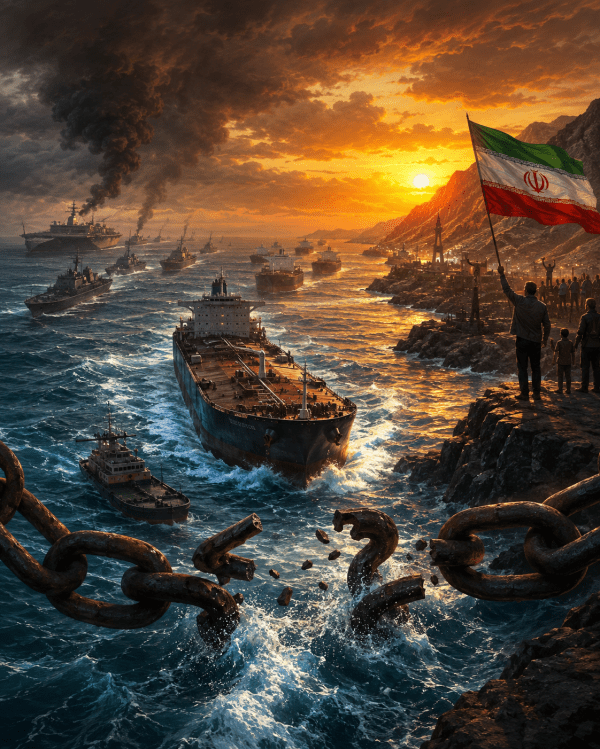
The Politico narrative transforms Trump's announcement of a U.S.-Iran peace deal into a self-aggrandizing spectacle, obscuring Iran's pivotal role and demands within a fourteen-point memorandum that Washington reluctantly conceded. This agreement signifies a profound U.S. failure to achieve its war aims, as it articulates a retreat framed as victory. The piece highlights how America’s empire is still threatening, renegotiating the terms, and imposing conditions, while Iran emerges fortified. Workers and activists must mobilize to hold Washington accountable, ensuring this retreat doesn't morph into renewed aggression. The reality is stark: the U.S. sought to dominate Iran but ended up conceding to its terms.
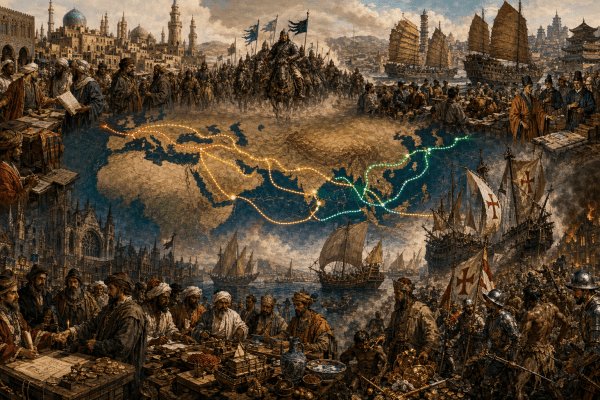
The World System Before European Hegemony: How the West Hijacked a System It Did Not Build
Janet Abu-Lughod's "Before European Hegemony" ruthlessly dismantles the myth that Europe rose to global prominence due to inherent superiority or brilliance. Instead, it reveals a pre-existing world economy crafted by diverse, thriving civilizations from which Europe, late to the game, benefited through exploitation and rupture. By tracing this narrative, Abu-Lughod forces us to confront uncomfortable truths: Europe did not create history; it emerged through the erosion of powerful systems created by others. History wasn’t predestined; it was violently reshaped.
Order in the Rubble: How Empire Calls Coercion Peace in Lebanon
USA TODAY reports the bombs, the bodies, and the diplomatic noise, but leaves the machinery of power in the shadows. Beneath the language of “escalation” lies a longer structure of occupation, ceasefire manipulation, infrastructural warfare, and pressure on Lebanese sovereignty. The strikes on Lebanon are not an interruption of order, but one of the ways... Continue Reading →
Tripwires of Empire: The Gulf Monarchies, the U.S.-Israel War on Iran, and the Crisis of Imperial Security
This essay begins by excavating how The Guardian recasts a U.S.-Israeli war and its aftermath into a fear narrative centered on Iran while muting the imperial structure behind the violence. It then reconstructs the real terrain: Gulf militarization, sanctions on Iran, strategic chokepoints, regional recalibration, and the diplomatic and economic relations the article leaves in... Continue Reading →
From Ceasefire Spectacle to Open Threat: How U.S. Power Reveals Its Limits in Iran and the Emerging Multipolar Order
The media narrative frames the war through the language of objectives and outcomes, masking how imperial violence is normalized and depoliticized. A reconstruction of the facts reveals a deeper reality: sanctions, covert operations, chokepoint control, and historical intervention form the material architecture of this conflict. What emerges is not policy failure but a system in... Continue Reading →
Iran Under Fire, Empire Exposed: The U.S., Israel, and the New York Times’ War Narrative
The New York Times frames imperial vulnerability as logistical inconvenience, masking the political meaning of exposure. The reconstructed facts reveal a war fought across an integrated system of bases, airspace, and energy choke points from Hormuz to Kharg. The deeper contradiction shows an empire that can still project force but can no longer prevent that... Continue Reading →
Axis of Empire: The Coup, the Shah, and the War Against Iranian Sovereignty
Afshin Matin-Asgari’s history exposes how U.S.–Iran relations were forged not through partnership but through intervention, oil politics, and the overthrow of democratic sovereignty. This review excavates the buried architecture of empire behind the 1953 CIA coup and the construction of the Shah’s authoritarian client state. It follows how the Iranian Revolution shattered that imperial arrangement... Continue Reading →
Equal Protection for Empire: Lawfare and the Reversal of the Voting Rights Act
How CNN’s Supreme Court coverage buries the counterrevolution of voting rights under the language of legality — and what it reveals about the racial state of empire in decline.By Prince Kapone | Weaponized Information | October 16, 2025The Civil Rights Obituary as Liberal TheaterOn October 14, 2025, CNN’s Chief Supreme Court Analyst Joan Biskupic published... Continue Reading →